

Choosing the Right Alternator for Your 1964-1968 Ford Custom 500
Keep your classic Ford's electrical system reliable, whether you're upgrading from a generator or replacing a worn-out alternator.
- For 1964 models, first verify if you have an original generator; if so, converting to an alternator is a highly recommended upgrade for reliability.
- Decide between an externally regulated alternator for an original setup or an internally regulated (1-wire) alternator for simplified wiring.
- Choose an amperage based on your car's needs: 55-65 amps for stock, or 100+ amps if you have or plan to add accessories like A/C or a large stereo.
- If upgrading to a high-output alternator, you must also upgrade the main charge wire to a thicker gauge to prevent a fire risk.
Is it a Generator or an Alternator?
Before buying a replacement, you need to know what's in your car. Ford began phasing out generators and making alternators standard in 1965. If you have a 1964 Custom 500, it likely has a generator unless a previous owner already converted it. Generators are long and skinny, while alternators are more compact and round. If you have a generator and are adding any electrical accessories, converting to an alternator is highly recommended for reliability and power output.
Key Decision: External vs. Internal Regulator
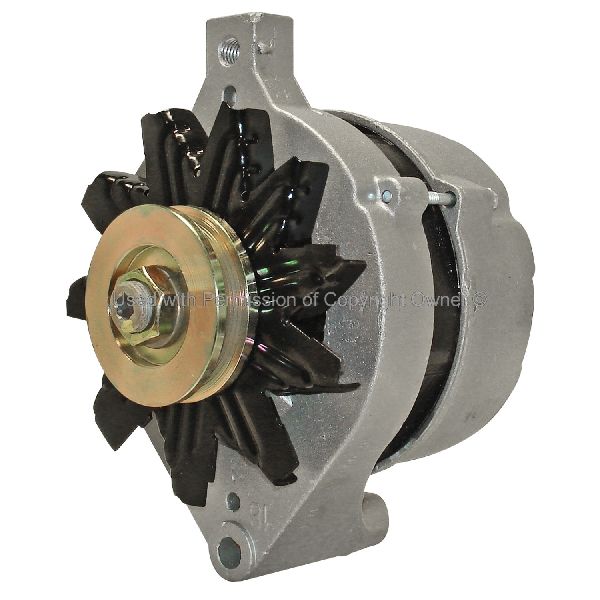
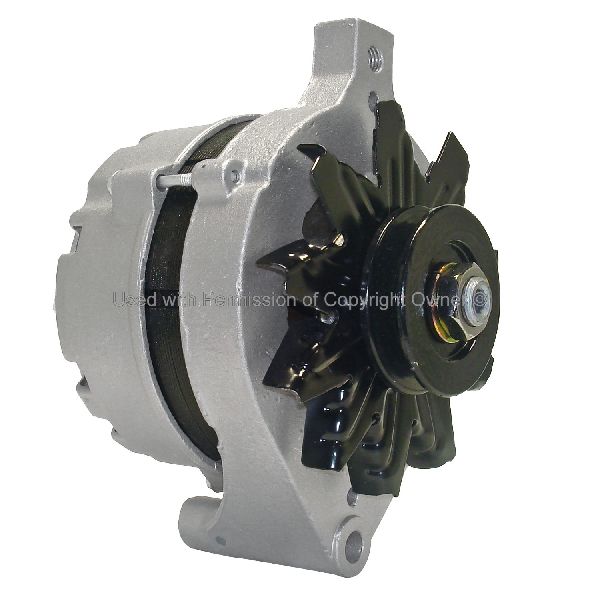
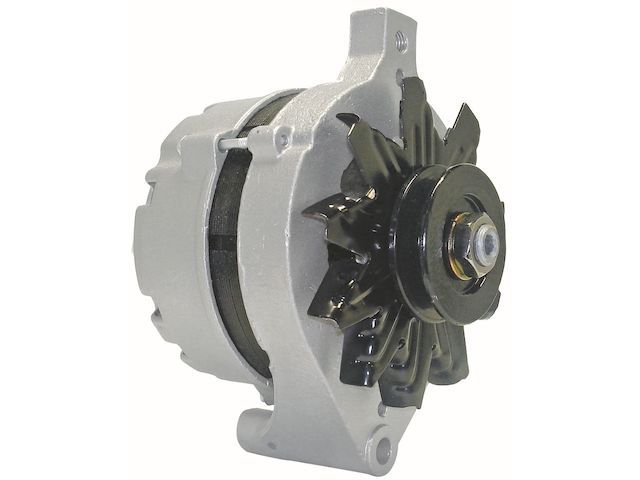
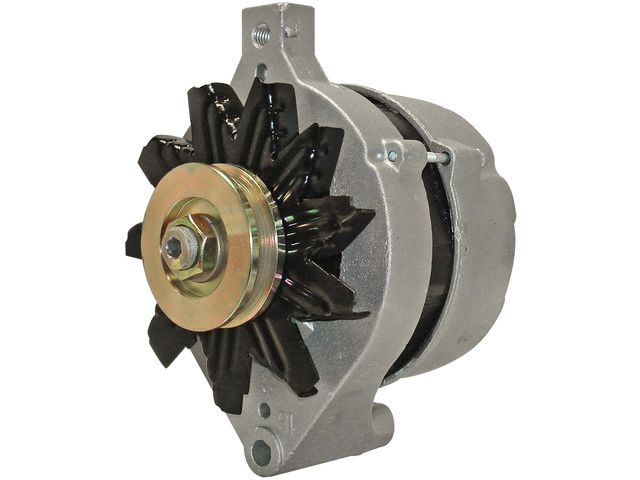
Original alternators on 1965-1968 models were the Ford 1G type, which uses an external voltage regulator mounted elsewhere in the engine bay. Many new aftermarket alternators have an internal regulator, which simplifies wiring. This is often called a '1-wire' or '3-wire' setup.
- Externally Regulated (Original Style): Keeps the stock look and wiring. You can even get more reliable solid-state external regulators to replace the old mechanical ones.
- Internally Regulated (1-Wire/3-Wire): This is a popular conversion. A '1-wire' alternator is the simplest, requiring only one wire from the alternator to the battery. This cleans up the engine bay by letting you remove the old external regulator and its wiring. However, they sometimes need the engine to rev to a higher RPM before they start charging.
What Amperage Do I Need?
Original alternators were often rated between 38 and 55 amps. For a stock vehicle with no major electrical accessories, a 55-65 amp replacement is sufficient. If you have added or plan to add an electric fan, high-power stereo, fuel injection, or air conditioning, you should choose a high-output alternator of 100 amps or more to handle the extra load.
Choosing an Aftermarket Alternator Brand
For a vehicle of this age, 'OEM' parts are no longer produced by Ford. Aftermarket is the primary choice. Here’s a breakdown of available brands based on their reputation among classic car owners.
High-Performance & Custom Builds
These brands are popular for owners who need more power for modifications or want a custom look.
- Powermaster: A well-regarded brand in the classic car world, offering high-output options and 'PowerGEN' units that look like a generator but function as an alternator for those wanting a stealthy upgrade. They are a premium-priced option, and while mostly reliable, some users have reported failures.
- Proform: Known for 100% new, high-output 1-wire alternators, often with a chrome finish. These are a good choice for cars with high electrical demand from fans or stereos. Some owners note that minor modifications, like swapping a pulley, may be needed for a perfect fit.
Standard & Value Replacements
These brands are suitable for stock restorations or as reliable, budget-friendly replacements.
- ACDelco: While a GM company, ACDelco produces new alternators that fit a wide range of Fords and are considered a quality aftermarket part. They are a dependable choice for a standard replacement.
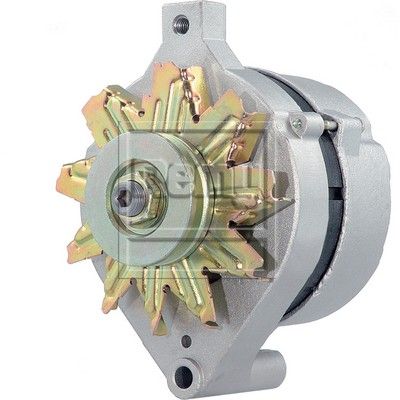
- Remy: A long-standing aftermarket brand. User reviews are mixed; some have had good experiences with both new and remanufactured units, while others have reported premature bearing failures. They can be a good value, but quality may be inconsistent.
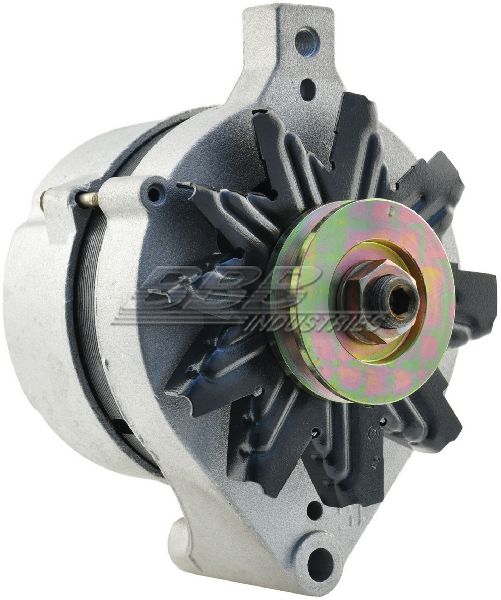
- BBB Industries / MPA: These brands are often associated with remanufactured parts, though new units may be available. They serve as a budget-friendly option for a standard replacement.
New Aftermarket Alternator Costs
| Part Type | Price Range |
|---|---|
| Standard Output (55-75 Amp) | $73 - $180 |
| High-Output (100+ Amp) | $150 - $350 |
| Generator-Look (PowerGEN) | $350 - $504+ |
*Prices are estimates and can vary based on brand, finish (e.g., chrome), and output.
Frequently Asked Questions
Do I need to upgrade my wiring for a high-output alternator?
Yes. If you are upgrading from a 45-amp generator or a 55-amp alternator to a 100+ amp unit, you must also upgrade the main charge wire. The original wire is too small to handle the extra current and can become a fire hazard. A 4-gauge or even 1-gauge wire is recommended for high-output alternators.
What is a '1-wire' vs a '3-wire' internally regulated alternator?
A 1-wire alternator is the simplest to install, connecting directly to the battery. A 3-wire setup is slightly more complex but has the advantage of using a sensing wire for more accurate voltage regulation and can power the original 'GEN' or 'ALT' warning light on your dashboard.
Will a new alternator fix my dimming headlights?
Dimming or flickering headlights are a classic symptom of a failing alternator that can't provide consistent voltage. Replacing a weak alternator will often solve this problem, providing steady power to your car's electrical systems.
Are there any recalls for the 1964-1968 Custom 500 alternator?
No. Searches of the NHTSA database and other historical records show no specific recalls for the alternator on the 1964-1968 Ford Custom 500. Recalls are very rare for vehicles of this age.
Technical Specifications
OEM Part Numbers: C6TF-10300-F
The original Ford 1G alternator used an external voltage regulator and typically had an output of 55 amps. It was driven by a V-belt pulley. Aftermarket options are available with both internal and external regulation and outputs ranging from 55 to over 200 amps.
We Have This Part in Stock

The information in this article is provided for general reference and educational purposes only. Vehicle specifications, procedures, and part compatibility can vary by production date, trim level, and region. Always consult your vehicle's factory service manual and verify part numbers before purchasing or performing repairs. Safety-critical components such as airbags, seat belts, and braking systems should be installed by a qualified professional.
- 🛍️ Shop This Part
- Is it a Generator or an Alternator?
- Key Decision: External vs. Internal Regulator
- What Amperage Do I Need?
- Choosing an Aftermarket Alternator Brand
- High-Performance & Custom Builds
- Standard & Value Replacements
- New Aftermarket Alternator Costs
- Frequently Asked Questions
- 🎟️ Get 5% Off