

Ford Custom 500 Engine Coolant Bypass Hose Guide (1964-1968)
Everything you need to know about replacing the small but critical coolant bypass hose on your classic Ford Custom 500.
- A failing bypass hose will cause coolant leaks, overheating, or steam from the engine; inspect it for cracks, bulges, or soft spots.
- Replacement is a simple, DIY-friendly task that can prevent catastrophic engine damage.
- Modern aftermarket brands like Gates, Dayco, and Continental offer excellent quality, often better than the original 1960s rubber.
- For originality, reproduction hoses with correct Ford markings are available from specialty suppliers.
Signs of a Failing Bypass Hose
After 50+ years, the original rubber hoses on your Ford Custom 500 are living on borrowed time. Heat, pressure, and exposure to chemicals cause them to break down. A failed bypass hose can quickly lead to engine overheating, which can cause serious damage. Watch for these warning signs:
- Coolant Leaks: This is the most common symptom. You may find puddles of green or yellow fluid under the front of your engine. A slow leak might just leave a crusty residue on the hose or its connection points at the water pump and intake manifold.
- Sweet Smell: Coolant has a distinct sweet, syrupy odor. If you smell this around your engine bay, especially after a drive, a hose is likely leaking.
- Steam from Engine Bay: If leaking coolant drips onto hot engine parts, it will turn into steam or white smoke. A burst hose can create a large cloud of steam.
- Engine Overheating: A significant leak will lower the coolant level, causing the engine temperature to rise. If the hose collapses internally, it can also block flow and lead to overheating.
- Visible Hose Damage: Inspect the hose itself. If it looks cracked, brittle, swollen, or feels mushy and soft, it needs to be replaced immediately. A bulging hose is a sign that it is about to burst.
Choosing the Right Aftermarket Hose
For a vehicle from this era, original Ford (OEM) parts are generally not available. The good news is that modern aftermarket hoses are made with superior rubber compounds compared to what was used in the 1960s. The key is choosing a quality brand that ensures proper fitment for the V8 engines common in these cars, like the 289 or 302. Your main choices are Gates, Dayco, and Continental.
Aftermarket Brand Comparison
| Brand Tier | Brands | Notes |
|---|---|---|
| Premium Aftermarket | Gates, Continental | Gates is often considered a top-tier choice with a reputation for good fitment and quality. Continental (sometimes branded as ContiTech) is also a well-regarded option. |
| Standard Aftermarket | Dayco | Dayco is a reliable and widely available brand. Some mechanics find their hoses to be slightly thicker, which they prefer, while others have occasionally reported fitment issues on different vehicles. |
| Specialty | Scott Drake, Reproduction Parts | For owners seeking 100% originality, brands like Scott Drake offer reproduction hoses that include original-style Ford logos and part numbers printed on them. Quality is generally high for these restoration-focused parts. |
A Note on Silicone Hoses
You may see silicone bypass hoses available, often as part of a larger kit. Silicone offers excellent durability and heat resistance but comes at a higher price. For a stock or daily-driven Custom 500, a quality EPDM rubber hose from a reputable brand is more than sufficient.
Frequently Asked Questions (FAQ)
Can I replace the engine coolant bypass hose myself?
Yes, this is a DIY-friendly job for most home mechanics. It requires basic hand tools, a drain pan for the coolant, and new hose clamps. The job involves partially draining the cooling system, removing the old clamps and hose, and fitting the new one. On some Ford V8s, the space is tight, but it can typically be done without removing major components like the water pump.
Should I replace my other coolant hoses at the same time?
Yes. If the bypass hose has failed due to age, the upper and lower radiator hoses and heater hoses are likely in similar condition. It is highly recommended to replace all coolant hoses at the same time to prevent being stranded by another failure down the road.
What kind of coolant should I use in my 1964-1968 Custom 500?
For these classic cars, a traditional IAT (Inorganic Additive Technology) coolant, often green in color, is the correct choice. It's important not to mix it with modern OAT (Organic Acid Technology) coolants (like orange or pink Dex-Cool) as this can cause cooling system problems.
Is a small leak from the bypass hose a serious problem?
Yes. Any coolant leak should be addressed immediately. A small leak can quickly turn into a catastrophic failure, leaving you stranded and risking severe engine damage from overheating.
Technical Specifications
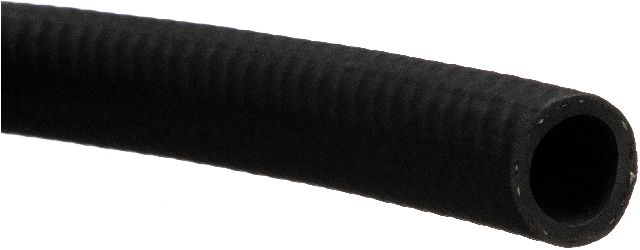
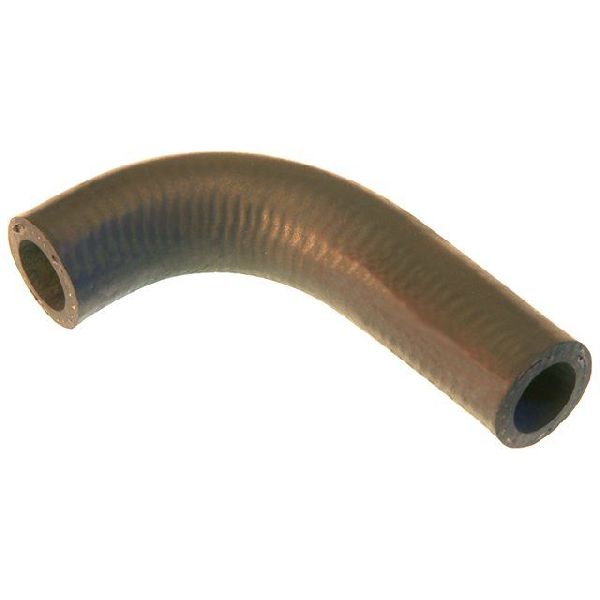
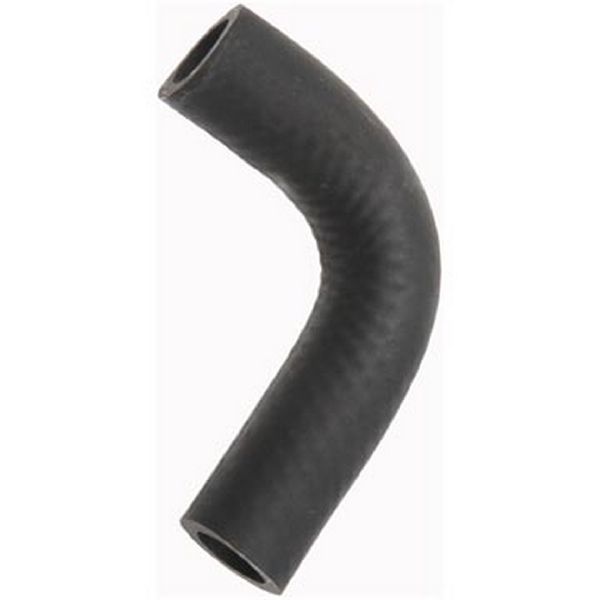
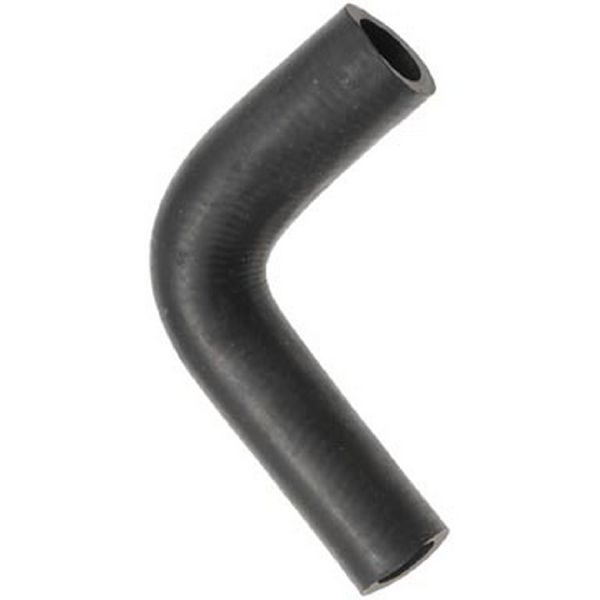
The bypass hose for 1964-1968 Ford Custom 500 models is typically a short, pre-molded rubber hose. It connects the water pump housing to the intake manifold, often near the thermostat housing on V8 engines like the 289 and 302.
We Have This Part in Stock


The information in this article is provided for general reference and educational purposes only. Vehicle specifications, procedures, and part compatibility can vary by production date, trim level, and region. Always consult your vehicle's factory service manual and verify part numbers before purchasing or performing repairs. Safety-critical components such as airbags, seat belts, and braking systems should be installed by a qualified professional.