

Ford Custom 500 Mechanical Fuel Pump Guide: 1964-1968
Keep your classic Ford's V8 or inline-six fed with the right mechanical fuel pump.
- A failing fuel pump causes sputtering, stalling, and no-start issues; a visible leak is a fire hazard.
- Aftermarket quality varies greatly; Carter is a trusted standard replacement, while Holley and Edelbrock are for performance use.
- For a stock Custom 500, a standard-flow pump is sufficient; high-flow pumps may require a pressure regulator.
- Replacement is a manageable DIY task, but ensure the new pump's arm is correctly placed on the cam eccentric.
Signs of a Failing Mechanical Fuel Pump
A failing fuel pump on your Custom 500 will give you clear warning signs. The internal rubber diaphragm can wear out or crack from age and exposure to modern ethanol-blended fuels, causing a loss of pressure. Look for these common symptoms:
- Engine Sputtering or Hesitation: The car may sputter or hesitate when you accelerate, as the pump can't supply enough fuel for the demand.
- Stalling, Especially When Hot: The engine might run fine when cold but stall out after it warms up and refuse to restart until it cools down.
- Difficulty Starting: The engine may take a long time to crank before it starts, or it might not start at all.
- Visible Fuel Leaks: If you see gasoline dripping from the pump body, the internal diaphragm has likely failed. This is a serious fire hazard and must be addressed immediately.
- Loss of Power: The car may feel sluggish and lack power, especially going up hills or under load.
Choosing the Right Aftermarket Fuel Pump
Finding a new OEM Motorcraft fuel pump for a vehicle from this era is nearly impossible. Your choice will be between various aftermarket brands, and quality can vary significantly. Many owners in forums report that cheap, unbranded pumps have a high failure rate, sometimes right out of the box.
Brand Quality Tiers
Based on owner experiences and brand reputation, aftermarket pumps for your Custom 500 can be grouped into these tiers:
- Performance Tier (Holley, Edelbrock): These brands are known for high-performance applications. They often offer higher flow rates (measured in Gallons Per Hour or GPH) than stock pumps, which is ideal for modified engines with performance carburetors. While well-made, they are the most expensive and may require a separate fuel pressure regulator to avoid overwhelming a stock carburetor.
- Standard / Heavy-Duty Tier (Carter): Carter is a long-standing brand that is frequently recommended by classic Ford owners as a reliable, good-quality replacement that functions like the original. They are a solid choice for a stock or mildly modified daily driver.
- Economy Tier (Spectra, GMB): These brands offer the most affordable options. However, owner reviews are mixed. While some have no issues, others report premature failures, noisy operation, or fitment problems. They can be a budget-friendly choice, but reliability may be a concern compared to premium brands.
Estimated Replacement Costs
The cost to replace the mechanical fuel pump on a '64-'68 Custom 500 depends on the brand you choose and whether you do the work yourself.
| Item | Estimated Cost |
|---|---|
| Aftermarket Fuel Pump | $33 - $263 |
| Shop Labor | $120 - $250 |
| Total Estimated Cost | $153 - $513 |
Frequently Asked Questions
Is it difficult to replace the fuel pump myself?
For someone with basic mechanical skills, this is a very feasible DIY job. It typically involves loosening the power steering pump for access (on V8 models), clamping off fuel lines, removing two bolts holding the pump to the engine block, cleaning the old gasket material off, and installing the new pump. The most critical step is making sure the pump's actuator arm is positioned correctly on the camshaft eccentric lobe inside the engine.
Do I need a high-flow pump like a Holley or Edelbrock for my stock engine?
No, a stock or mildly modified engine does not require a high-flow performance pump. A standard replacement pump from a reputable brand like Carter will provide the correct pressure and volume. Using a high-pressure pump without a regulator can force too much fuel into the carburetor, causing it to flood.
What is a "vapor return line" and does my pump need one?
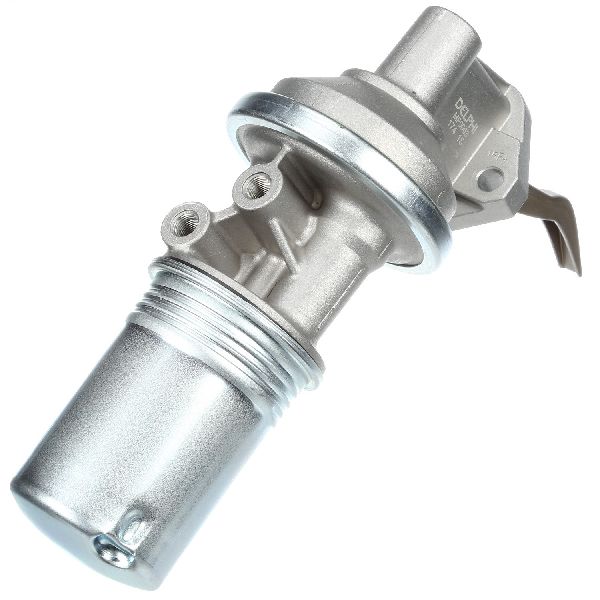
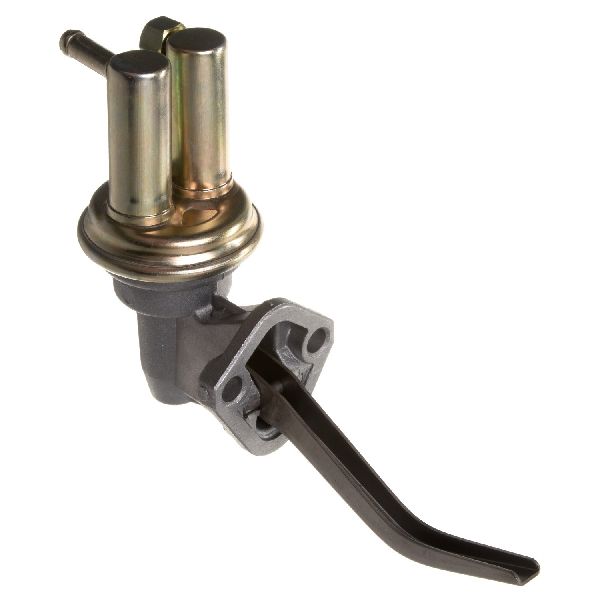
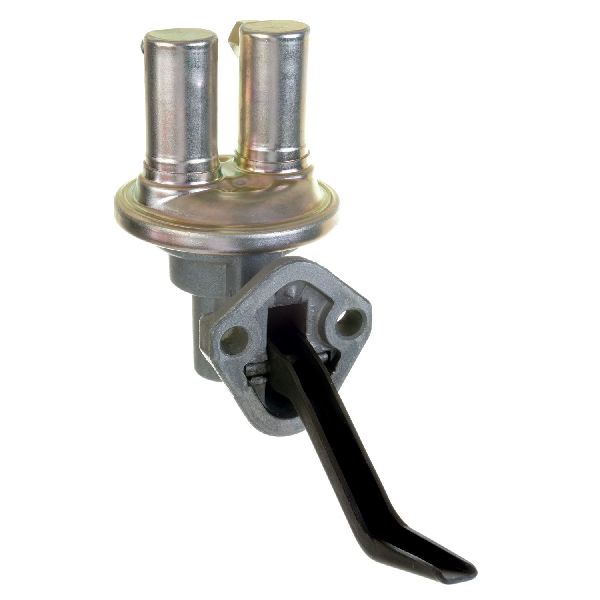
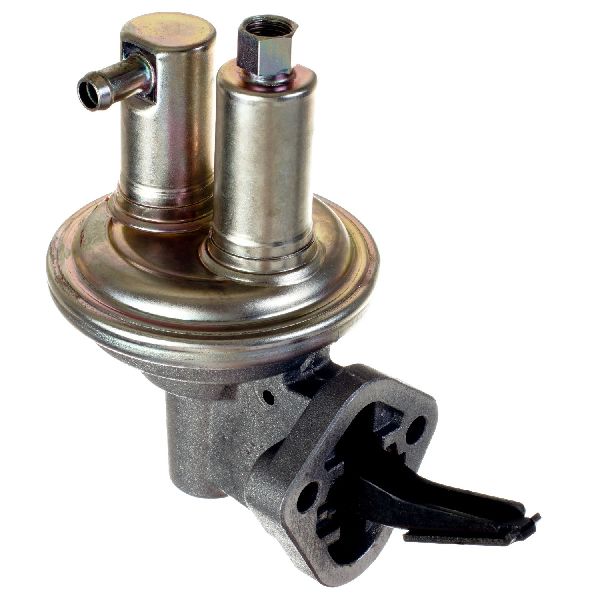
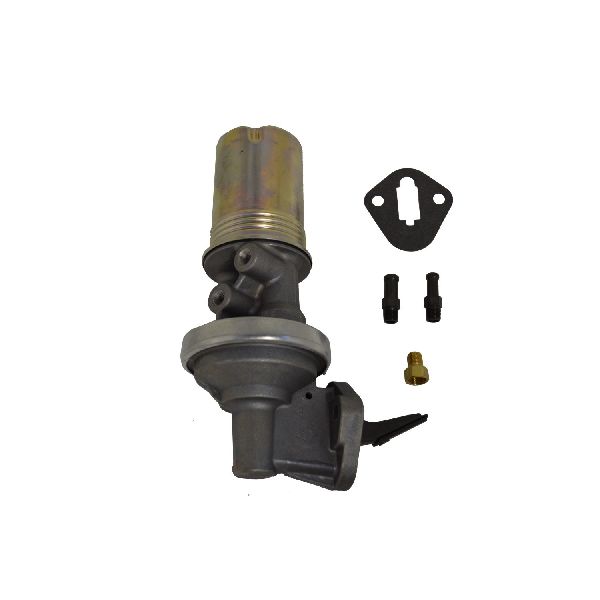
Some fuel pumps have a third fitting for a vapor return line. This line sends excess fuel and vapor back to the tank to help prevent a condition called "vapor lock" in hot weather. Check your original pump; if it has three fittings (inlet, outlet, and return), you should purchase a replacement with a return line. If it only has two, a return line is not needed.
Why do so many classic car owners switch to electric fuel pumps?
Due to frustration with the perceived poor quality and high failure rates of modern mechanical pumps, some owners convert to an electric fuel pump mounted near the gas tank. Proponents feel they are more reliable and help with starting after the car has been sitting. However, this requires wiring, finding a mounting location, and often adding a safety shut-off switch.
Technical Specifications
OEM Part Numbers: C0AZ-9350-D
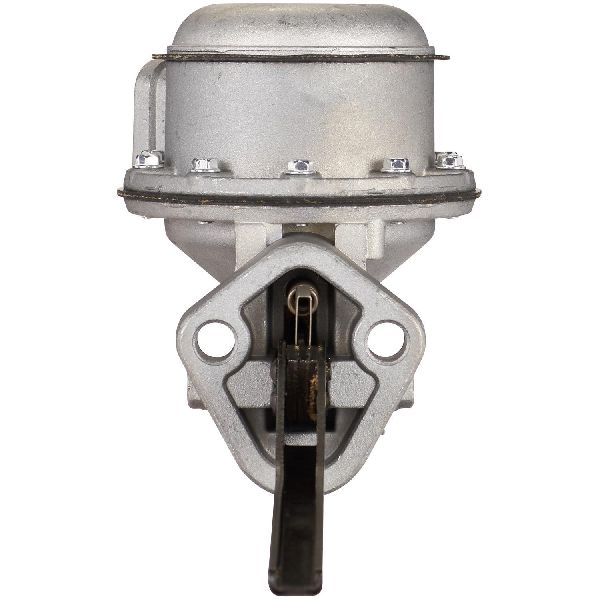
Pump Design: Mechanical; Pressure Range: 4-8 PSI (for stock applications); Gasket Included: Yes; Actuation: Camshaft Eccentric Lobe
We Have This Part in Stock

The information in this article is provided for general reference and educational purposes only. Vehicle specifications, procedures, and part compatibility can vary by production date, trim level, and region. Always consult your vehicle's factory service manual and verify part numbers before purchasing or performing repairs. Safety-critical components such as airbags, seat belts, and braking systems should be installed by a qualified professional.