

Ford Mustang 1964-1969 A/C Compressor Replacement and Information
Everything you need to know before replacing the A/C compressor on your classic Mustang.
- Any new compressor requires converting the system from original R12 to modern R134a refrigerant, which includes changing oil and other parts.
- Always replace the receiver-drier and expansion device when installing a new compressor to ensure system longevity and validate the warranty.
- If you hear a grinding noise, shut off the A/C immediately to prevent catastrophic damage and contamination of the entire system with metal shavings.
- Ensure the replacement compressor is compatible with your specific engine and bracket setup, as different compressors were used.
Understanding Your Classic Mustang's A/C Compressor
If the air conditioning in your 1964-1969 Ford Mustang is blowing warm, the A/C compressor is a likely culprit. This component lives in the engine bay and is responsible for pumping refrigerant through the system. Given the age of these classic cars, original compressors have often reached the end of their service life. Finding a brand-new original equipment (OEM) part from Ford is no longer possible, making aftermarket compressors the standard for replacement.
The R12 to R134a Conversion is Critical
Original 1960s A/C systems used R12 refrigerant, which is no longer produced or sold to the public. All new aftermarket compressors are designed to be used with modern R134a refrigerant. Simply swapping the compressor is not enough. A full conversion is necessary, which includes:
- Flushing the entire A/C system to remove old oil and debris.
- Replacing the filter-drier (also called a receiver-drier). This is mandatory.
- Using the correct type of oil (PAG or Ester) compatible with R134a.
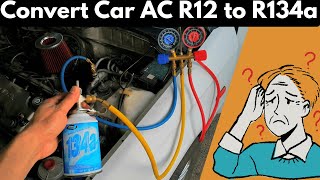
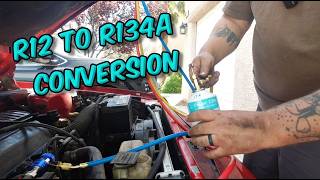
- Potentially replacing old rubber hoses with modern barrier hoses that prevent R134a from leaking. 🎬 Watch this step-by-step guide on converting your R12 system.
Failure to properly convert the system will lead to poor cooling performance and premature failure of the new compressor.
Common Failure Symptoms
A failing A/C compressor will give you clear warning signs. Paying attention to them can help you diagnose the problem before it causes more damage.
- Warm Air From Vents: The most obvious symptom. If the compressor isn't pressurizing refrigerant, the system cannot cool the air.
- Loud Grinding or Squealing Noises: If you hear grinding, screeching, or a loud whirring noise when the A/C is turned on, it indicates a serious internal failure. The compressor is likely destroying itself. Stop using the A/C immediately to prevent metal shavings from contaminating the entire system, which makes the repair much more expensive.
- Compressor Clutch Not Engaging: The outer pulley of the compressor always spins with the engine belt, but the compressor itself only turns on when the clutch engages, usually with an audible 'click'. If the clutch doesn't engage, it could be a bad clutch, a faulty pressure switch, low refrigerant, or an electrical issue.
Choosing the Right Aftermarket Compressor
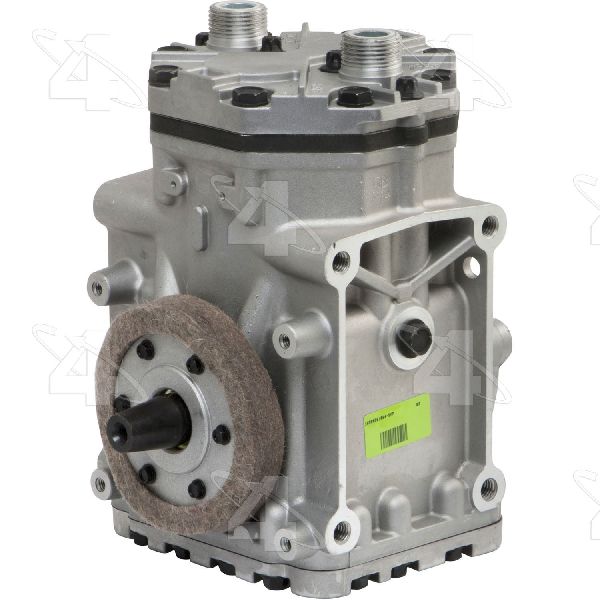
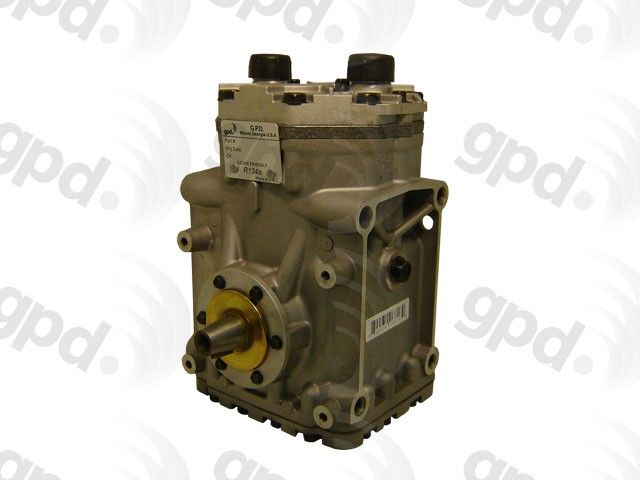
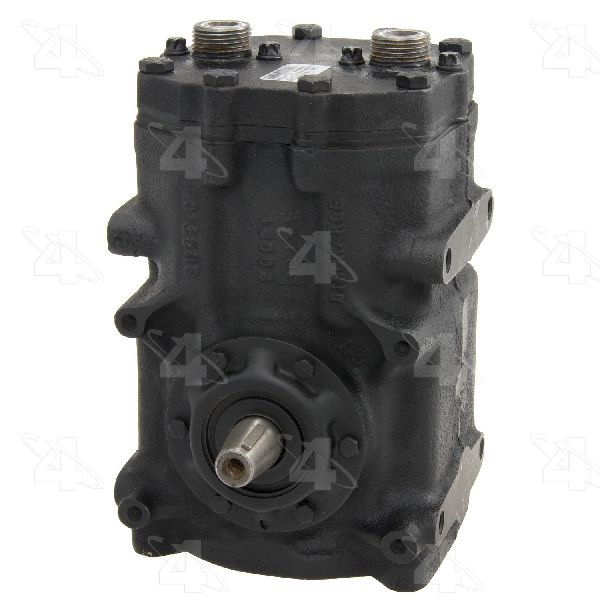
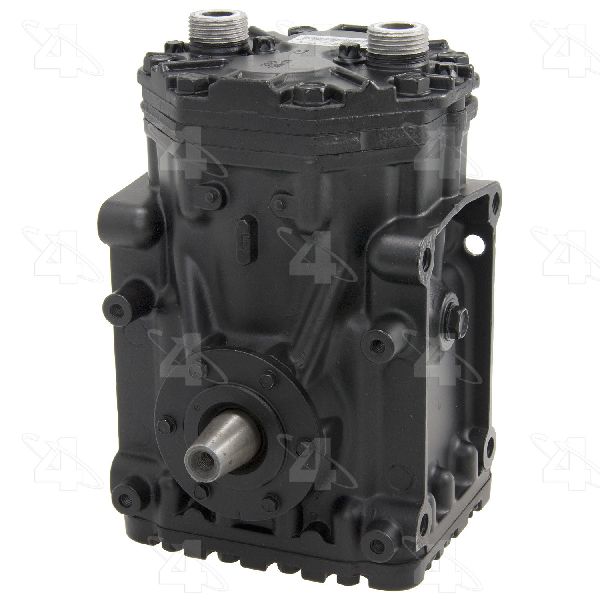
For a 1964-1969 Mustang, you'll find direct-fit aftermarket compressors that look like the original York/Tecumseh units, as well as modern rotary-style compressors sold in complete conversion kits. When shopping for a standard replacement, you'll likely encounter the following brands:
Tier 1: Standard Aftermarket (Four Seasons, Global Parts)
These brands are widely available and offer a balance of affordability and function. They are the most common choice for stock vehicle repairs.
- Four Seasons: A very common aftermarket brand. Reviews are often mixed; some users have had them fail prematurely, while others report years of good service. Success with these compressors often depends on a meticulous installation, including a full system flush and replacement of the drier and orifice tube.
- Global Parts (gpd): Another standard aftermarket supplier. They often provide compressors in kits that include the necessary seals and sometimes the accumulator/drier. Like other value-focused brands, quality can be hit-or-miss, but they serve as a functional replacement for a failed original part.
Pro Tip: For these classic cars, the quality of the installation is just as important as the quality of the part. Always replace the receiver-drier, use the correct oil, and pull a deep vacuum on the system before recharging to ensure longevity.
| Part Type | Estimated Cost |
|---|---|
| New OEM | Not Available |
| New Aftermarket | $181.47 - $360.54 |
| Remanufactured | $150 - $320 |
| Shop Labor | $400 - $700 |
Frequently Asked Questions
Do I have to replace other parts with the compressor?
Yes. At a minimum, you must replace the receiver-drier (or accumulator) and the expansion valve/orifice tube. Most compressor warranties require this. Replacing these parts ensures the system is clean and free of moisture, which is the leading cause of new compressor failure.
What is the difference between a York/Tecumseh and a modern rotary compressor?
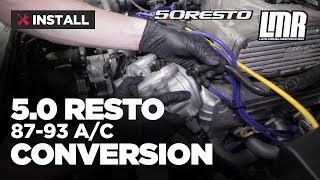
Original York and Tecumseh compressors are large, heavy piston-driven units. Modern rotary compressors (like Sanden-style) are much smaller, lighter, and more efficient. They require less horsepower to run. Many complete aftermarket A/C kits for classic Mustangs use these modern compressors, but they require specific mounting brackets.
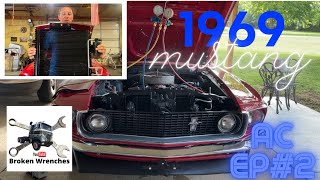
🎬 See a professional installation of a modern A/C kit.How do I know if just the clutch is bad?
If the compressor isn't making noise but the clutch won't engage, you can test it. A mechanic can check for power at the clutch connector. If there is 12 volts present but the clutch doesn't engage, the clutch coil has likely failed. On these old compressors, the clutch can sometimes be replaced separately, but often it's more practical to replace the entire compressor assembly.
Can I do this replacement myself?
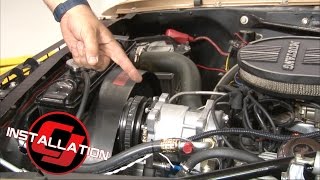
Replacing the compressor is mechanically straightforward for a DIYer, but the process requires specialized A/C tools. You will need a manifold gauge set to monitor pressures and a vacuum pump to evacuate all air and moisture from the system before recharging. Improperly handling refrigerant is harmful to the environment and can be dangerous. If you don't have the tools or experience, it's best to have a professional shop perform the evacuation and recharge.
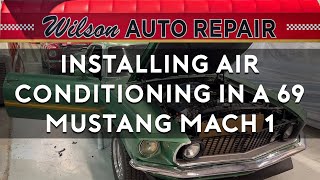
🎬 Watch a full A/C installation on a 1969 Mach 1.Helpful Videos
Technical Specifications
OEM Part Numbers: C9AZ-19703-A
Varies by original installation. Common types include York and Tecumseh cast iron piston compressors. Aftermarket replacements are available in original styles or as modern rotary-style units. All new units will require R134a-compatible oil (PAG or Ester). Clutch and pulley configuration must match the vehicle's engine and belt setup.
We Have This Part in Stock

The information in this article is provided for general reference and educational purposes only. Vehicle specifications, procedures, and part compatibility can vary by production date, trim level, and region. Always consult your vehicle's factory service manual and verify part numbers before purchasing or performing repairs. Safety-critical components such as airbags, seat belts, and braking systems should be installed by a qualified professional.