

Choosing the Right Spark Plug Wire Set for Your 1964-1969 Ford Mustang
Get the right spark for your classic Mustang by picking the perfect wire set for its engine.
- Replace spark plug wires one at a time to avoid mixing up the engine's firing order.
- For modified engines, choose a performance wire set from brands like MSD or Accel with thicker silicone insulation.
- For stock restorations, OEM-quality brands like Motorcraft or NGK provide excellent reliability and fit.
- Always apply a small amount of dielectric grease inside the boots to prevent them from sticking to the spark plugs and distributor cap.
Signs of Failing Spark Plug Wires
The ignition system on a classic Mustang is simple but needs to be in top shape. Worn-out spark plug wires are a common cause of engine problems. Because these cars were built before modern computer diagnostics, you have to rely on noticing changes in how the car runs. Look out for these symptoms:
- Rough Idle: The engine may shake or vibrate more than usual when stopped.
- Engine Misfires: You might feel the engine stumble, jerk, or lose power for a moment. This happens when a cylinder fails to fire correctly. Sometimes, you can hear a popping sound from the exhaust.
- Hesitation During Acceleration: When you press the gas, the car might lag or feel sluggish before it picks up speed.
- Reduced Power and Fuel Economy: If your Mustang feels weaker than it used to or you're filling up the gas tank more often, old wires could be the cause.
- Difficulty Starting: Bad wires can prevent the spark plugs from getting enough voltage to start the engine easily.
- Visible Damage: Check the wires for any cracks, burns, or melting on the outer insulation. Wires that are brittle or stiff have likely gone bad.
Pro Tip: Check in the Dark
For a quick diagnosis, start your engine in a dark garage and look at the spark plug wires. If you see small blue sparks arcing from the wires to any metal part of the engine, the insulation has failed and the wires need to be replaced immediately. Misting them lightly with water can sometimes make the arcing more obvious.
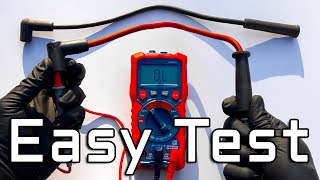
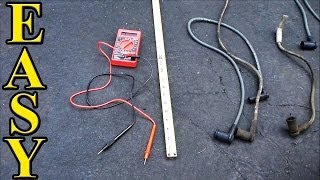
🎬 Watch: Three ways to test your spark plug wires for failure.Choosing the Right Aftermarket Wires
Unlike modern cars, your classic Mustang has a wide variety of aftermarket support, giving you plenty of choices. The best set for you depends on your car's setup and how you use it. Wires are often measured by their diameter (like 7mm, 8mm, or 9mm) and their core material, which affects electrical resistance.
Brand & Quality Tiers
We can group the available brands into tiers to help you decide:
- Performance Tier (MSD, Accel, Taylor, Ford Performance): These brands are for owners looking for the best performance, especially those with modified engines. They often feature thicker silicone jackets for high-temperature protection and low-resistance spiral cores for a hotter spark. Brands like Accel offer ceramic boots that are excellent at preventing burns from hot exhaust headers. MSD and Taylor are very popular in the Mustang community for their quality and reliability.
- OEM-Quality Tier (Motorcraft, NGK, Denso, Pertronix): If you have a stock or mildly restored Mustang, these brands are excellent choices. They are designed to meet or exceed the original factory specifications. Motorcraft is Ford's own brand and provides a factory-correct look and fit. NGK and Denso are well-respected for their reliability in all kinds of ignition components. Pertronix is a popular choice, especially for those who have upgraded to an electronic ignition system.
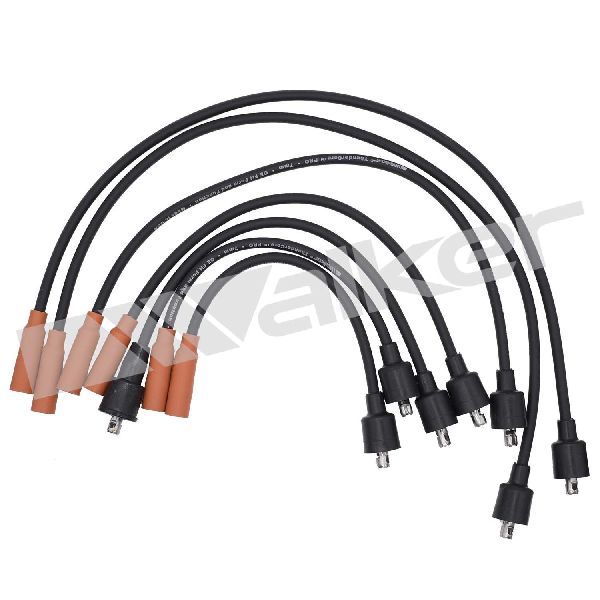
- Standard Replacement Tier (Standard Wires, Walker Products): These brands offer a functional and affordable solution for a daily driver or a car with a stock engine. They get the job done and are a good value if you're on a budget.
Universal vs. Custom-Fit Sets
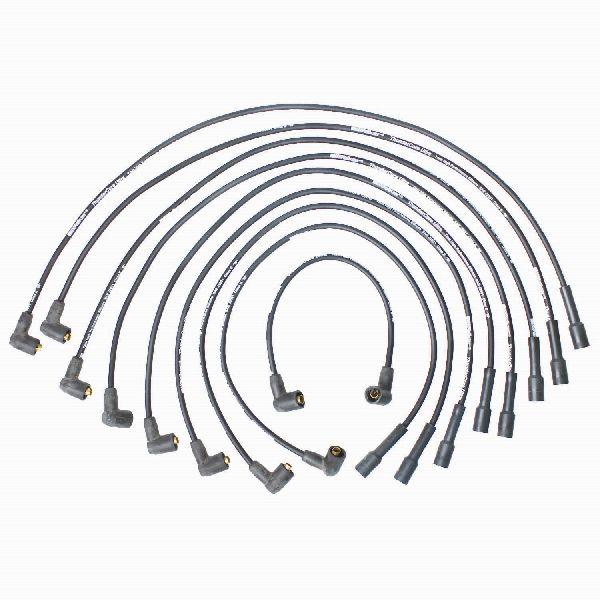
You will find both "universal" and "custom-fit" wire sets. Custom-fit sets are cut to the correct length for your specific engine (e.g., 289 V8) and have the boots pre-installed. Universal sets require you to cut the wires to length and crimp the terminals on yourself, which requires a special tool. For most owners, a custom-fit set is the easier and more reliable option.
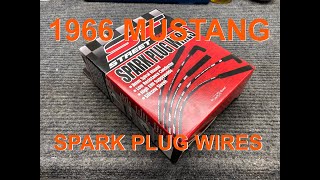
🎬 See this walkthrough for replacing wires on a Mustang 289 engine.Frequently Asked Questions (FAQ)
What's the difference between 7mm, 8mm, and 9mm wires?
The measurement refers to the wire's outer diameter. A thicker wire (like 8mm or 9mm) generally has better insulation than a standard 7mm wire. This provides more protection against heat and prevents voltage from leaking, which is especially important in high-performance engines or when wires are routed close to hot exhaust manifolds.
What is a spiral core wire and do I need it?
Older, original-style wires used a carbon core, which has high electrical resistance. Most modern performance wires use a "spiral core," where a conductor is wrapped around a fiberglass or kevlar core. This design offers very low resistance for a strong spark while still suppressing the radio frequency interference (RFI) that can cause static in your AM/FM radio. For any Mustang, a spiral core wire is a worthwhile upgrade.
Do I need special tools for installation?
For a standard replacement, you usually don't need special tools, but a spark plug wire puller can make it easier to remove the boots without damaging them. Applying a small amount of dielectric grease to the inside of the boots will make future removal easier and helps seal out moisture. If you buy a universal wire set, you will need a wire crimping tool.
How do I make sure I don't mix up the firing order?
This is the most important part of the job. The easiest way to avoid mistakes is to replace the wires one at a time. Remove one old wire, match its length to a new one, and install the new wire before moving on to the next cylinder. This ensures your engine's firing order remains correct.
🎬 Watch: How new wires fixed a rough-running 1965 Mustang.Helpful Videos

Technical Specifications
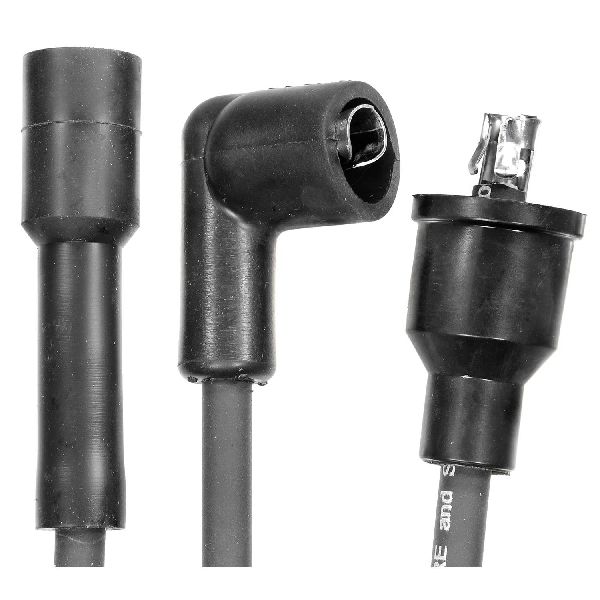
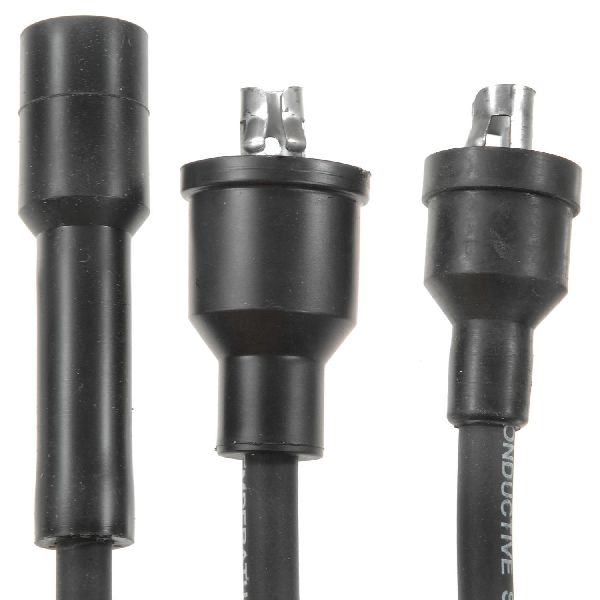
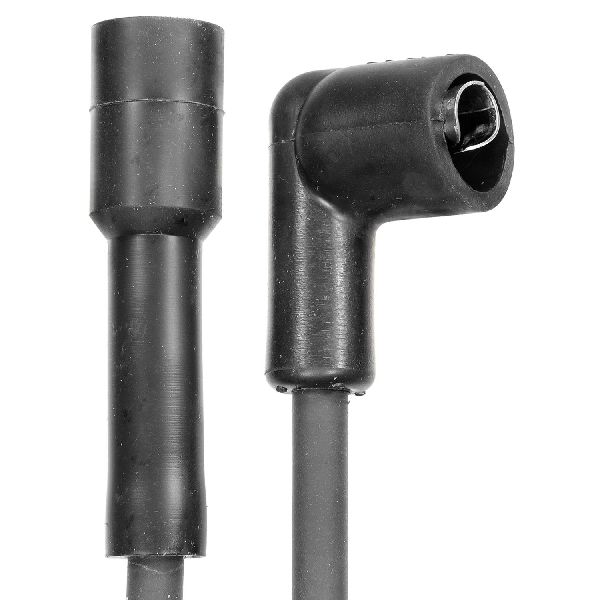
Fitment is based on engine type (e.g., 200ci I6, 289 V8, 302 V8). Key specifications include wire diameter (typically 7mm to 9mm), core type (spiral wound recommended), boot material (silicone), and boot angle (straight, 45-degree, or 90-degree).
We Have This Part in Stock

The information in this article is provided for general reference and educational purposes only. Vehicle specifications, procedures, and part compatibility can vary by production date, trim level, and region. Always consult your vehicle's factory service manual and verify part numbers before purchasing or performing repairs. Safety-critical components such as airbags, seat belts, and braking systems should be installed by a qualified professional.