

Ford Custom 500 Ignition Lock Cylinder Guide (1964-1970)
If your key is sticking or your classic Ford won't start, the ignition lock cylinder is a common and easy-to-fix culprit.
- Failure is due to age and wear; symptoms include a sticking, loose, or non-turning key.
- Replacement is a very simple DIY job that takes less than 15 minutes with just a paperclip.
- A new aftermarket cylinder from a brand like Dorman or Standard Ignition is a reliable and cost-effective solution.
- The new cylinder will come with new keys; your old keys will no longer work in the ignition.
Is Your Ignition Lock Cylinder Failing?
After decades of use, the small metal tumblers and springs inside the ignition lock cylinder wear down. This wear and tear is the primary reason for failure on a classic car like the Custom 500. Recognizing the signs early can prevent you from getting stranded.
Common Failure Symptoms:
- Key is hard to insert or remove: You have to jiggle the key to get it in or out of the ignition. This is often the first sign of wear.
- Key won't turn: The key goes in but you can't turn it to the 'ON' or 'START' positions. This can be caused by worn tumblers inside the cylinder.
- Ignition feels loose or sloppy: The key feels wobbly in the cylinder with a lot of play.
- Car won't start, but lights work: You can turn the key, but the engine doesn't crank. The cylinder may be so worn that it no longer properly engages the ignition switch behind it.
Ignition Lock Cylinder vs. Ignition Switch
It's important to know the difference. The lock cylinder is the mechanical part your key goes into. The ignition switch is the electrical component behind it that sends power to the vehicle. If your key turns fine but you have intermittent electrical problems (like the radio cutting out) or the car still won't start, the ignition switch could be the problem, not the lock cylinder.
Choosing an Aftermarket Ignition Lock Cylinder
For a vehicle from the 1964-1970 model years, new original Ford (OEM) parts are generally not available. The choice is between used parts from a junkyard, expensive New Old Stock (NOS) parts, or new aftermarket parts. For a simple mechanical part like this, new aftermarket cylinders offer excellent value and reliability.
Both Standard Ignition and Dorman are well-known aftermarket brands that produce reliable replacements for this part. Dorman is a large supplier known for making parts that fit and function like the original, often at a very reasonable price. Standard Ignition (also known as Standard Motor Products or SMP) is another trusted brand often used by professional mechanics. For a straightforward component like the Custom 500's lock cylinder, either brand is a solid choice.
| Part Type | Estimated Cost |
|---|---|
| New Aftermarket Cylinder | $16.60 - $35.44 |
| Shop Labor | $50 - $100 |
Installation Tips
Replacing the ignition lock cylinder on a 1964-1970 Ford is a very easy job that most owners can do themselves in under 15 minutes. The key detail is a small retaining pin that holds the cylinder in place.
- Disconnect the negative battery terminal as a safety precaution.
- Insert your key and turn it to the 'ON' or 'RUN' position.
- Find the small pinhole on the face of the ignition cylinder housing.
- Push a stiff paperclip or a small punch into the hole to depress the retaining pin.
- While the pin is depressed, pull the lock cylinder straight out with the key.
- Slide the new cylinder in until it clicks. Turn the key to test its operation before reconnecting the battery.
Frequently Asked Questions
Will the new lock cylinder work with my old keys?
No. The new ignition lock cylinder will come with a new set of keys. Your original keys will no longer work for the ignition, so you will have one key for the ignition and another for the doors and trunk, unless you have a locksmith re-key the new cylinder to match your old keys.
What tools do I need for this job?
You typically only need a paperclip or a small, stiff piece of wire to depress the retaining pin. A wrench to disconnect the battery is also recommended.
Are there any recalls on the 1964-1970 Ford Custom 500 ignition?
No, there are no active recalls or technical service bulletins (TSBs) from the NHTSA for the ignition lock cylinder on this vehicle. Any problems you encounter are due to the normal wear and tear of a 50+ year-old mechanical part.
My key turns but the car only starts after I let go of the key. Is that the lock cylinder?
This is a known issue on older Fords but is not typically caused by the lock cylinder itself. It is more likely related to the ignition switch or the resistor wire that goes to the ignition coil. The lock cylinder simply rotates the switch; if it rotates smoothly, the problem is likely elsewhere in the starting circuit.
Technical Specifications
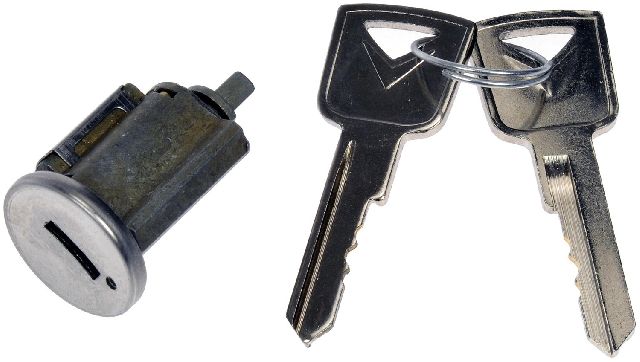
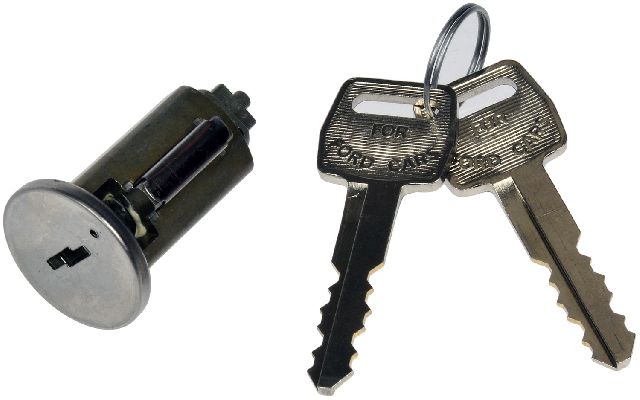
This is a purely mechanical, non-electronic lock cylinder. Aftermarket replacements include a new cylinder and a set of two matching keys.
We Have This Part in Stock


The information in this article is provided for general reference and educational purposes only. Vehicle specifications, procedures, and part compatibility can vary by production date, trim level, and region. Always consult your vehicle's factory service manual and verify part numbers before purchasing or performing repairs. Safety-critical components such as airbags, seat belts, and braking systems should be installed by a qualified professional.