

A Ford Mustang Owner's Guide to the 1964-1970 Brake Light Switch
Fixing your classic Mustang's brake lights is easier and cheaper than you think.
- A bad brake light switch is a very common, inexpensive, and easy-to-fix problem on a 1964-1970 Mustang.
- The main symptoms are brake lights not working, staying on, or flickering.
- Replacement is a simple DIY job that takes less than 30 minutes and requires basic tools.
- Reputable aftermarket brands like Standard Ignition and Rostra offer reliable and affordable replacements.
Is Your Classic Mustang in the Dark?
A faulty brake light switch is one of the most common electrical issues on a vintage Ford Mustang. The good news is that it's also one of the simplest and most inexpensive to fix. Whether your brake lights won't turn on, won't turn off, or are acting erratically, the switch is the most likely culprit. 🎬 Watch: Understanding how these switches operate and common failure points. Understanding the symptoms and how to choose the right replacement part will get your classic safely back on the road.
Common Failure Symptoms
- Brake Lights Don't Work: The most obvious and dangerous symptom. The internal contacts of the switch wear out over time and fail to complete the circuit.
- Brake Lights Stay On: The switch can fail in the 'on' position, or the plunger can get stuck, leaving your brake lights permanently illuminated. This will drain your battery and confuse other drivers.
- Intermittent or Flickering Lights: Worn contacts can cause an inconsistent connection, leading to brake lights that flicker or only work some of the time. This can happen when going over bumps.
Safety First: A Critical Repair
Driving without functional brake lights is illegal and extremely dangerous. A non-working switch provides no warning to following traffic, dramatically increasing your risk of being rear-ended. This repair should be considered urgent.
Choosing the Right Aftermarket Switch
For a simple component like the brake light switch on a classic Mustang, you don't need to hunt down a rare and expensive New Old Stock (NOS) Ford part. Aftermarket manufacturers produce high-quality replacements that meet or exceed original specifications. For this part, reliability and proper fit are key.
- Brand Tiers: Stick with known, reputable brands. Companies like Standard Ignition (Standard Motor Products) and Rostra Powertrain are well-regarded in the industry for producing reliable electronic components and switches. They offer a dependable, cost-effective solution that is far superior to generic, unbranded 'white-box' parts.
- OEM vs. Aftermarket: Given the age of the vehicle, a true Ford OEM part is practically unavailable and unnecessary. Aftermarket switches from established brands are the standard for this repair and are trusted by mechanics and restorers. They are designed as direct-fit replacements.
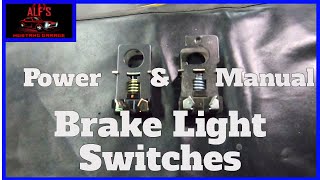
- Power vs. Manual Brakes: Be aware that there are sometimes different switches for cars with power brakes versus manual brakes. The difference is typically a lighter spring tension in the power brake switch to ensure the lights activate with less pedal effort. Always verify the correct part for your specific setup. 🎬 See this walkthrough for installing a power brake light switch.
| Item | Estimated Cost |
|---|---|
| New Aftermarket Switch (DIY) | $10 - $21 |
| Shop Labor | $60 - $120 |
| Shop Repair (Parts + Labor) | $70 - $140 |
Pro Tip: Easy DIY Installation
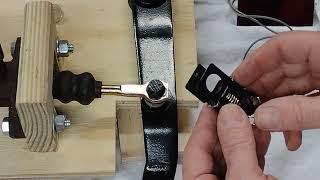
Replacing the brake light switch is a perfect job for a beginner. It's located under the dash, clipped to the brake pedal assembly. The process typically involves:
- Disconnecting the battery.
- Unplugging the two-wire connector from the switch.
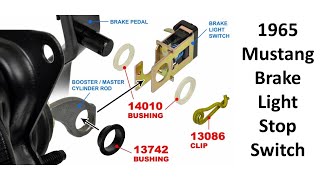
- Removing the hairpin clip that holds the switch and master cylinder pushrod to the pedal pin.
- Sliding the pushrod and switch off the pin.
- Installing the new switch in the reverse order.
The entire job can usually be done in under 30 minutes with basic hand tools.
Frequently Asked Questions (FAQ)
Where is the brake light switch located?
It is located under the dashboard, mounted on the brake pedal hanger assembly. You will see it attached to the same pin that the brake pedal pivots on.
Is this a difficult part to replace myself?
No, this is considered a very easy DIY repair. It requires working in the footwell, which can be cramped, but the process is straightforward and requires minimal tools.
Do I need to adjust the new switch?
Sometimes. The original design can be finicky. If your brake lights stay on after installing a new switch, it may be because the switch is being activated constantly. Some owners report needing to slightly bend the contact tabs on the switch to ensure proper operation. Check that the lights are off when the pedal is at rest and come on as soon as it's pressed.
What if a new switch doesn't fix my brake lights?
If a new switch doesn't solve the problem, check the simple things first: the fuse and the bulbs. If those are good, the issue could be a bad ground at the taillights or a problem within the turn signal switch in the steering column, as the brake light circuit passes through it.
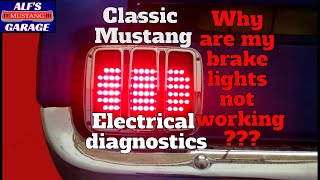
🎬 Watch: Step-by-step diagnostics for more complex brake light circuit issues.Are there any recalls for the brake light switch on my Mustang?
No, there are no active recalls or widespread Technical Service Bulletins (TSBs) from Ford for the brake light switch on 1964-1970 Mustangs. Failures are due to normal age and wear of the part.
Helpful Videos
Technical Specifications
OEM Part Numbers: C5ZZ-13480-A C9ZZ-13480-A C9ZZ-13480-B C1AZ-13480-A
A 2-terminal mechanical switch activated by the brake pedal arm. Different versions may exist for manual versus power brake applications.
We Have This Part in Stock


The information in this article is provided for general reference and educational purposes only. Vehicle specifications, procedures, and part compatibility can vary by production date, trim level, and region. Always consult your vehicle's factory service manual and verify part numbers before purchasing or performing repairs. Safety-critical components such as airbags, seat belts, and braking systems should be installed by a qualified professional.