

Buick Skylark 1964-1971 Starter Motor Reference
Everything you need to know before buying a new starter for your classic Skylark.
- Heat soak is the most common starter problem for this Skylark generation; a modern high-torque mini-starter is the best solution.
- For most owners, upgrading to a high-torque starter from a brand like Powermaster is a better investment than a stock-style replacement.
- Installation is a manageable DIY task for those with basic tools, but be aware the original starter is very heavy.
- There are no official recalls or TSBs from NHTSA for this part on these model years due to their age.
Is Your Skylark's Starter Failing?
The starter on a 1964-1971 Buick Skylark is a large, heavy component located on the lower part of the engine. Due to its age and design, it can be prone to several issues, especially heat-related problems. If your Skylark is having trouble starting, the starter motor is a common culprit.
Common Failure Symptoms:
- Slow Cranking: The engine turns over very slowly, as if the battery is weak, especially when the engine is hot.
- Clicking Sound: You turn the key and hear a single, loud click, but the engine doesn't crank. This often points to a bad starter solenoid.
- No Sound: You turn the key and nothing happens at all. While this could be a dead battery, it can also be a completely failed starter.
- Grinding Noise: A grinding sound during or after starting can mean the starter gear isn't disengaging from the flywheel correctly.
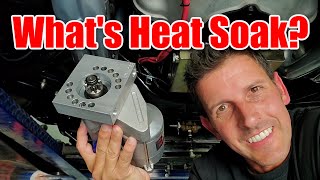
- Heat Soak Issues: A very common problem with these classic GM cars is "heat soak." The starter works fine when the engine is cold, but after a drive, it cranks slowly or not at all. This happens because the starter is located near the hot exhaust, and the heat increases electrical resistance inside the starter's windings. 🎬 Watch this video to understand and fix starter heat soak.
A Note on "Heat Soak"
Heat soak is the most frequent starting complaint for this generation of Skylark. The original-style starters are large and absorb a lot of heat from the engine and exhaust manifolds. This increased heat makes it much harder for the starter to draw the power it needs to turn the engine over. Modern replacement starters are often designed to combat this specific issue.
Choosing the Right Aftermarket Starter
For a 1964-1971 Skylark, you won't find a "New OEM" starter from GM. Instead, you'll choose between remanufactured units and new aftermarket starters. New aftermarket starters often provide significant advantages over the original design.
Standard vs. High-Torque (Mini) Starters
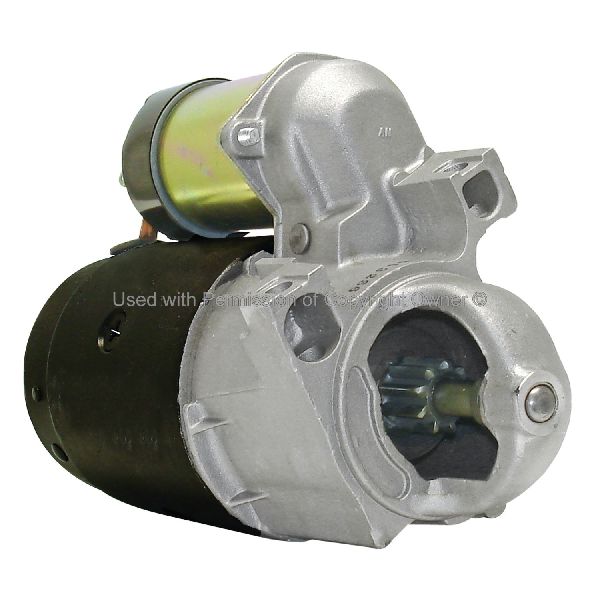
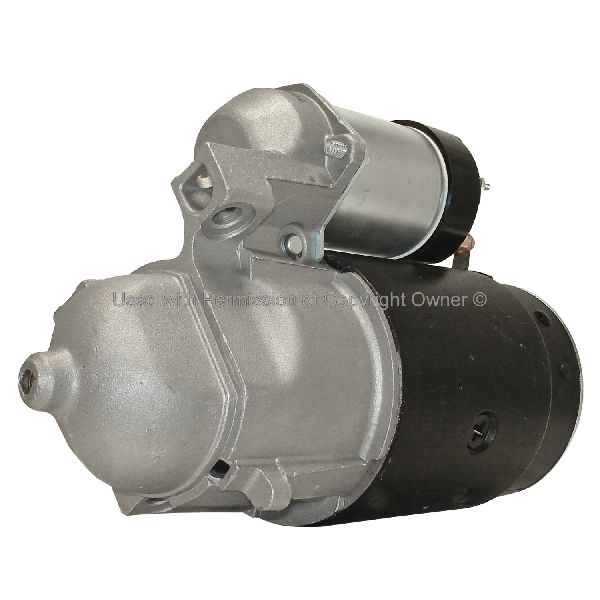
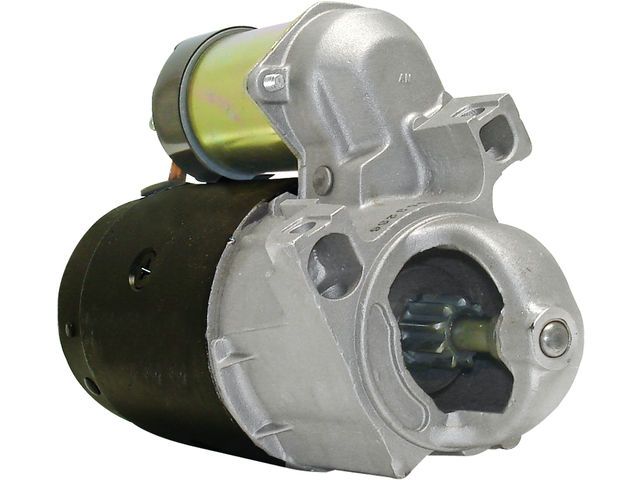
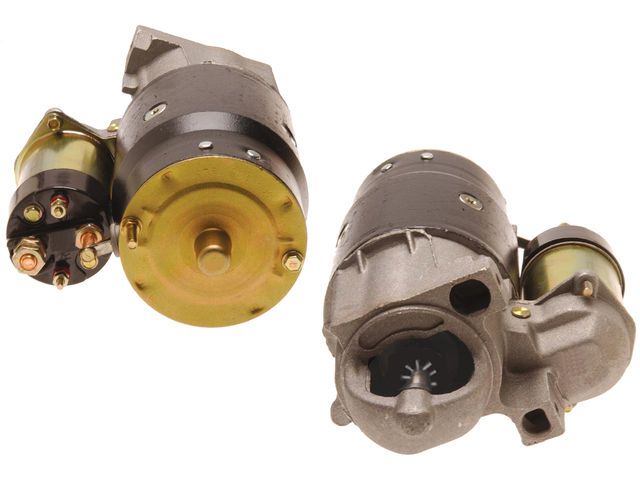
- Standard Replacement Starters: These are designed to look and function like the original Delco starter. They are a good choice for stock, original cars. Brands like ACDelco offer reliable remanufactured options that are a direct fit.
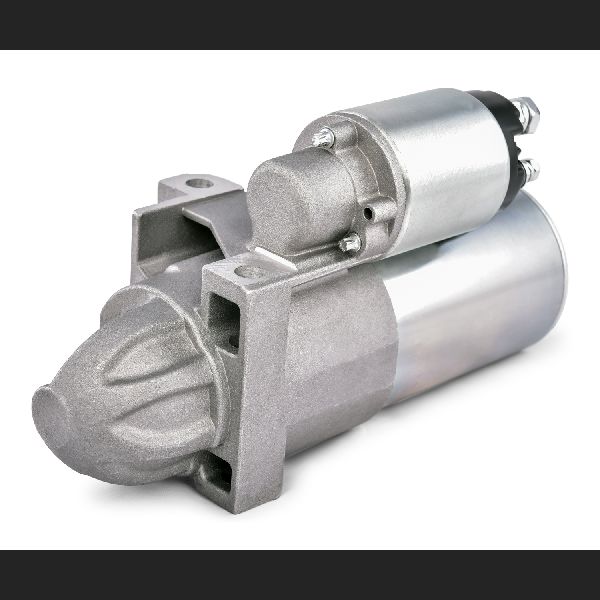
- High-Torque / Mini-Starters: These are a popular and highly recommended upgrade. They use a gear reduction design, which means a smaller, lighter motor can produce more cranking power (torque) with less electrical draw. This makes them ideal for solving heat soak problems and for engines with higher compression. Brands like Powermaster and Proform specialize in these.
Pro Tip: Go for the Upgrade
For most owners, especially those with V8 engines or headers, a modern high-torque mini-starter is the best choice. They are lighter, more powerful, provide better clearance for exhaust, and are far less susceptible to heat soak.
Brand Quality Tiers
When shopping for a new starter, you'll encounter several brands. Here's an honest breakdown:
- Performance Tier (Powermaster, Proform): These brands offer high-quality, new-construction, high-torque mini-starters. They are considered an upgrade over stock and are excellent for modified cars or for solving chronic heat-start issues. Powermaster is often praised for its quality and reliability. Proform also offers powerful gear-reduction starters, though some user reviews suggest quality can be hit-or-miss compared to top-tier brands.
- Service Replacement Tier (ACDelco): ACDelco is GM's official parts brand. For this vehicle, they will typically offer a remanufactured starter built to original specifications. This is a solid, reliable choice if you want to maintain originality, but it will still be the large, heavy design prone to heat soak.
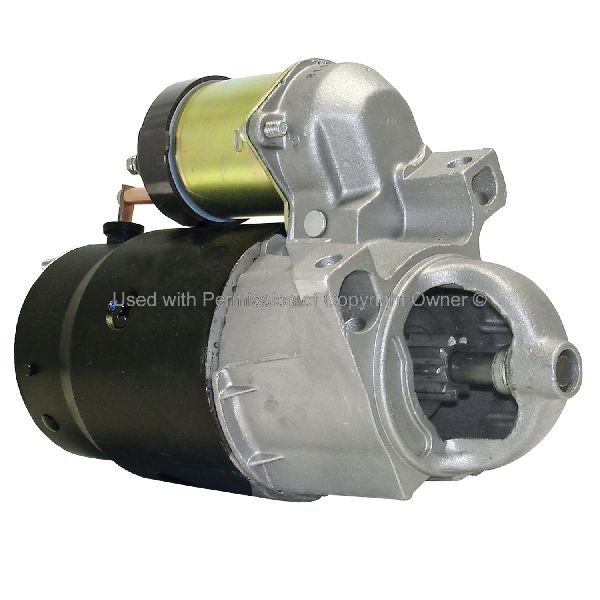
- Standard Aftermarket Tier (MPA): Motorcar Parts of America (MPA) is a major manufacturer of remanufactured and new aftermarket parts. Their starters are a cost-effective, standard replacement option that meets original equipment specifications.
Cost of a New Starter Motor (1964-1971 Buick Skylark)
| Part Type | Estimated Cost |
|---|---|
| New Aftermarket (Standard) | $75 - $150 |
| New Aftermarket (High-Torque) | $180 - $321 |
| Remanufactured (ACDelco, MPA) | $80 - $200 |
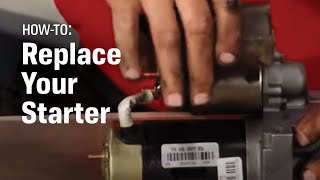
| Shop Labor for Installation | 🎬 Learn how to replace your starter and save on labor costs.$91 - $250 |
Note: Prices are estimates and can vary based on brand, retailer, and specific vehicle configuration. Labor costs are based on typical shop rates and the straightforward nature of this repair on a classic vehicle.
Frequently Asked Questions
Do I need a special starter if I have headers?
Yes, this is highly recommended. Headers put off more heat and are physically larger than stock exhaust manifolds, reducing clearance. A high-torque mini-starter provides much better clearance and its design helps resist the extra heat.
What is a starter shim and will I need one?
A starter shim is a thin piece of metal placed between the starter and the engine block to achieve the correct gear mesh. While not always necessary, it's good to have a shim kit on hand during installation, especially with aftermarket starters, to prevent grinding noises or damage.
Are there any recalls or TSBs for my Skylark's starter?
No. Due to the age of the 1964-1971 Buick Skylark, there are no active safety recalls or technical service bulletins (TSBs) issued by the NHTSA for the starter motor. Any issues, like heat soak, are considered common wear-and-tear or design characteristics for a vehicle of this era.
Can I install the starter myself?
Yes, for someone with basic mechanical skills and tools, this is a very feasible DIY job. The process involves safely lifting the vehicle, disconnecting the battery, removing a few electrical connections, and unbolting the starter. The original starters are very heavy, so be prepared.
🎬 See a step-by-step guide on how to replace a starter.Helpful Videos

Technical Specifications
Varies by engine. Most V8 models use a 166-tooth flywheel ring gear. Starters are typically 12-volt with a 2-bolt mounting pattern. High-torque versions offer gear reduction ratios like 3.75:1 or 4.4:1.
We Have This Part in Stock

The information in this article is provided for general reference and educational purposes only. Vehicle specifications, procedures, and part compatibility can vary by production date, trim level, and region. Always consult your vehicle's factory service manual and verify part numbers before purchasing or performing repairs. Safety-critical components such as airbags, seat belts, and braking systems should be installed by a qualified professional.
- 🎬 Helpful Videos
- 🛍️ Shop This Part
- Is Your Skylark's Starter Failing?
- Common Failure Symptoms:
- A Note on "Heat Soak"
- Choosing the Right Aftermarket Starter
- Standard vs. High-Torque (Mini) Starters
- Pro Tip: Go for the Upgrade
- Brand Quality Tiers
- Cost of a New Starter Motor (1964-1971 Buick Skylark)
- Frequently Asked Questions
- 🎟️ Get 5% Off