

A Guide to the 1964-1971 Ford Custom 500 Differential Bearing Set
Address rear-end noises and vibrations by understanding how to choose the right differential bearings for your classic Custom 500.
- You must identify whether your Custom 500 has a Ford 8-inch or 9-inch axle to order the correct bearing set.
- Symptoms of failure are almost always noise-related, such as whining, howling, or rumbling from the rear of the car.
- Professional installation is strongly recommended as the job requires special tools and expertise to set bearing preload and gear patterns correctly.
- Always replace bearings as a complete kit, along with new seals, to ensure a lasting repair.
Signs of a Failing Differential Bearing
When differential bearings start to wear out, they will let you know with distinct sounds coming from the rear of the vehicle. Ignoring these signs can lead to more severe gear damage or a complete lock-up of the differential. The most common symptom is a noise that changes with driving speed.
- Whining or Howling: A high-pitched whine or howl that gets louder or changes pitch during acceleration or deceleration is a classic sign of a bad pinion bearing. If the noise occurs only when slowing down, it points strongly to a loose pinion bearing preload or a worn bearing.
- Rumbling or Growling: A low rumbling or growling noise, like the sound of driving on a rough surface, that starts around 20 mph and gets louder with speed often indicates worn carrier bearings. This noise might change or get louder when you are turning.
- Vibrations: A failing bearing can cause vibrations that you feel through the floor of the car. This vibration will increase as your speed increases.
- Fluid Leaks: While not a direct symptom of the bearing itself, leaking fluid from the pinion seal or axle seals can lead to low fluid levels, causing bearings to overheat and fail.
Crucial Step: Identify Your Axle (8-Inch vs. 9-Inch)
Before ordering a differential bearing set for your 1964-1971 Custom 500, you must determine if you have a Ford 8-inch or 9-inch rear axle, as they use different bearing sets. These cars were offered with both. Ordering the wrong part will lead to project delays.
The Easiest Way to Tell: The Socket Test
Look at the nuts that hold the center section (or "pumpkin") to the main axle housing. Try to fit a socket with an extension on the bottom two nuts.
- If you can get a socket on all the nuts, you have an 8-inch rear end.
- If you cannot get a socket on one or both of the bottom nuts and must use a wrench, you have a 9-inch rear end.
The 9-inch is generally considered a stronger, more desirable axle for performance applications.
Choosing the Right Aftermarket Bearings
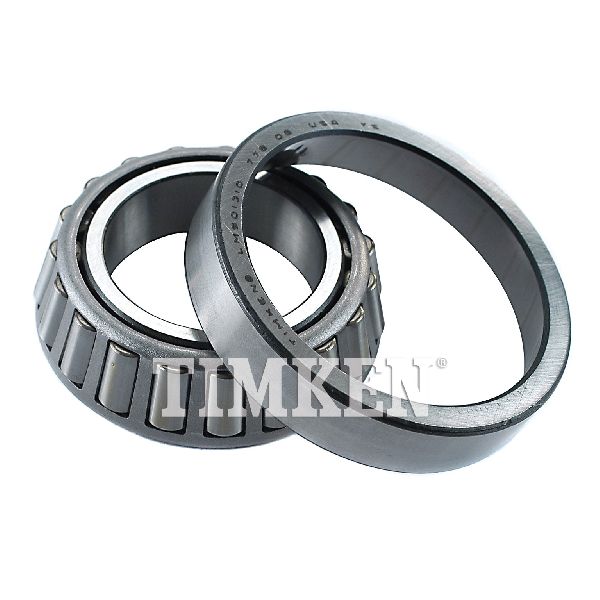
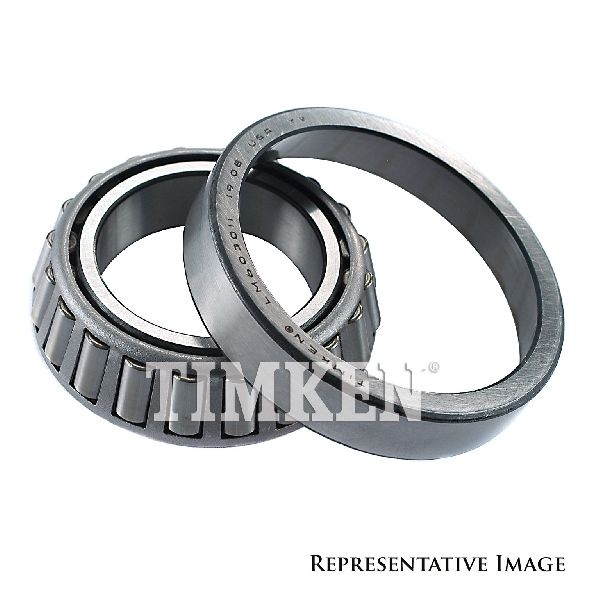
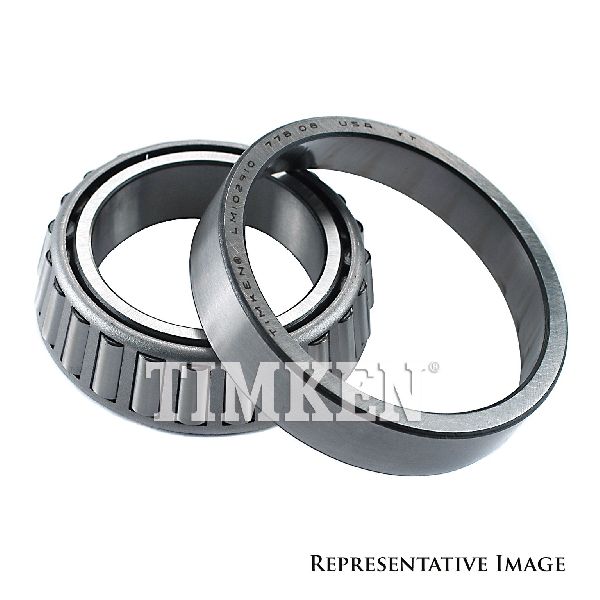
For a classic vehicle like the Custom 500, new OEM parts from Ford are no longer produced. The market standard is high-quality aftermarket parts. Brands like Timken are well-regarded in the industry and were often original equipment suppliers for various manufacturers. Reviews consistently show Timken bearings are known for quality, durability, and precise manufacturing, making them a reliable choice for a differential rebuild.
Installation and Labor Expectations
Replacing differential bearings is a complex and precise job that is not recommended for a beginner. It requires specialized tools, including a hydraulic press to remove and install the bearings, and a dial indicator to set the gear backlash and bearing preload. Incorrect installation will cause immediate noise and rapid failure of the new parts.
Pro Tip: While the differential is apart, it is the perfect time to also replace the pinion seal, axle seals, and the crush sleeve (if applicable). These parts are inexpensive and are included in many comprehensive kits. This ensures a complete and long-lasting repair.
| Item | Estimated Cost |
|---|---|
| New Aftermarket Bearing Set (Timken) | $35 - $40 |
| Shop Labor | $500 - $900 |
| Gear Oil & Shop Supplies | $40 - $80 |
| Total Estimated Cost | $575 - $1020 |
Frequently Asked Questions (FAQ)
Can I replace just one bad bearing?
No, you should always replace the bearings as a complete set (pinion and carrier bearings). They wear at a similar rate, and the labor to access them is the same. Replacing only one bearing is inefficient and risks another bearing failing shortly after the repair.
Is this a good DIY project?
For most home mechanics, this is not a good DIY project. The job requires expensive, specialized tools like a shop press and dial indicators. More importantly, it requires the expertise to properly set pinion depth, pinion bearing preload, and ring gear backlash. Failure to do this correctly will destroy the new bearings and gears quickly.
What else should I replace at the same time?
When replacing the differential bearings, you should also replace the pinion seal, axle seals, and crush sleeve (if applicable). It's also a good time to inspect the ring and pinion gears for any signs of wear or damage. The shop will also refill the differential with fresh gear oil.
Were there any recalls for the differential on this car?
There are no active recalls or relevant technical service bulletins (TSBs) from the NHTSA or Ford for the differential components on the 1964-1971 Ford Custom 500. This is common for vehicles of this age.
Technical Specifications
Vehicle may be equipped with either a Ford 8-inch or Ford 9-inch rear differential. Axle identification is required before ordering parts.
We Have This Part in Stock

The information in this article is provided for general reference and educational purposes only. Vehicle specifications, procedures, and part compatibility can vary by production date, trim level, and region. Always consult your vehicle's factory service manual and verify part numbers before purchasing or performing repairs. Safety-critical components such as airbags, seat belts, and braking systems should be installed by a qualified professional.