

Choosing the Right Alternator for Your 1964-1971 Ford Mustang
Keep your classic Mustang's electrical system reliable with the right new alternator.
- Decide if you need a standard or high-output alternator based on your car's electrical accessories.
- Upgrading to a 'one-wire' alternator with an internal regulator is a common, reliable modification that simplifies wiring.
- If you install a high-output alternator, you must also upgrade the main charge wire to a heavier gauge.
- For 1964.5 models with a generator, converting to an alternator is a highly recommended upgrade for reliability.
Is Your Mustang's Alternator Failing?
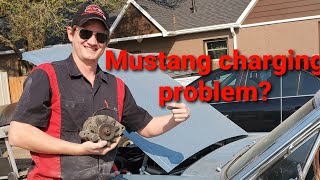
An alternator doesn't usually fail without warning. For a classic car like the 1964-1971 Mustang, the signs are often easy to spot. Because these cars have simpler electrical systems, you'll notice problems with lights and accessories first.
Common symptoms include headlights that dim when you're idling and then brighten up when you rev the engine. You might also see the battery warning light on your dashboard flicker or stay on. Other electrical issues can pop up, like the radio cutting out or power windows (if you have them) moving slowly. Sometimes, you'll hear a whining or grinding noise from the engine bay, which could be the bearings inside the alternator wearing out. If you ignore these signs, you'll eventually end up with a dead battery and a car that won't start.
🎬 Watch: A visual guide to common alternator failure symptoms.Choosing the Right Aftermarket Alternator
When picking a new alternator, you have more choices than just a stock replacement. Consider how you use your Mustang.
Key Considerations
- Amperage (Output): Stock alternators on these Mustangs were low-powered by today's standards, often between 38 and 60 amps. This was enough for the factory equipment. However, if you've added modern accessories like a powerful stereo, electric cooling fans, or electronic fuel injection, you'll need a high-output alternator (100 amps or more) to handle the extra load.
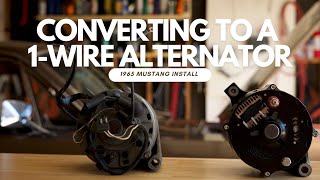
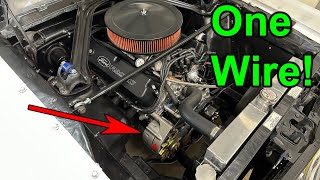
- Regulator Type (1-Wire vs. 3-Wire): Original Mustangs used an external voltage regulator mounted on the fender apron. Many aftermarket alternators are "one-wire" units with a built-in, internal regulator. This simplifies wiring, cleans up the engine bay, and is a popular, reliable upgrade. A traditional 3-wire setup is also available if you want to maintain the original wiring configuration. 🎬 See how to upgrade to a simple one-wire alternator setup.
- Fit and Finish: Make sure the alternator case and mounting points match your engine's brackets. Most aftermarket brands offer direct-fit units. You can also choose from different finishes like natural, black, or chrome to match your engine bay's style.
Aftermarket Brand Tiers
Several brands offer quality alternators for your classic Mustang. Here's a general breakdown based on owner experiences and features:
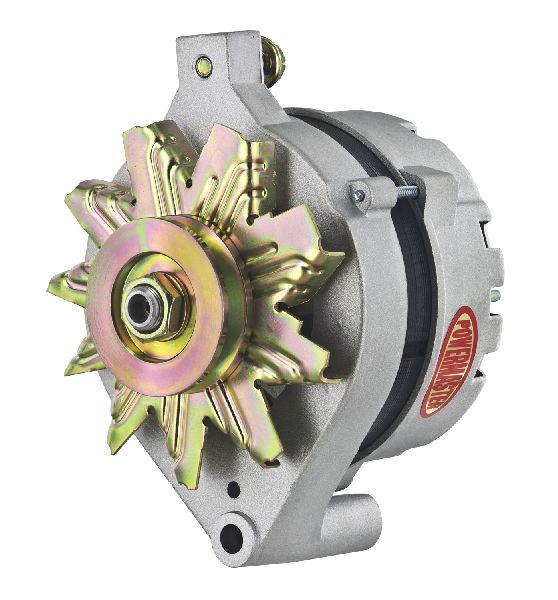
- High-Performance (Powermaster, Ford Performance): Brands like Powermaster are very popular for classic Mustangs, offering high-output options (150+ amps) and one-wire conversions that are great for modified cars. They are known for good output even at idle. Ford Performance also offers high-quality, higher-output alternators, though they are often focused on later model Mustangs, their quality is well-regarded.
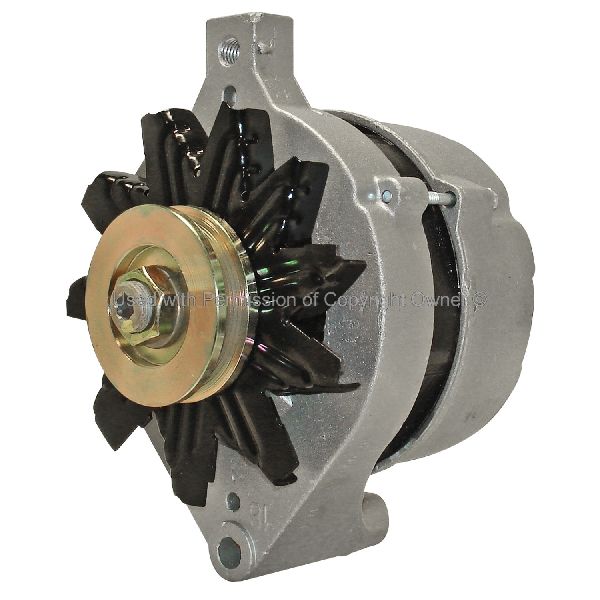
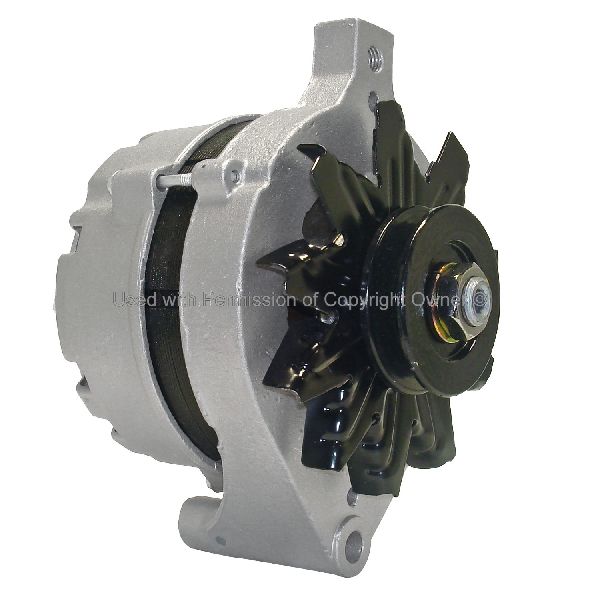
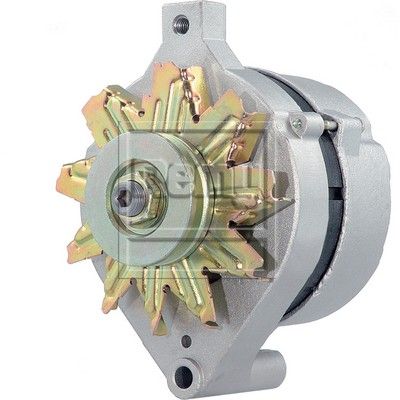
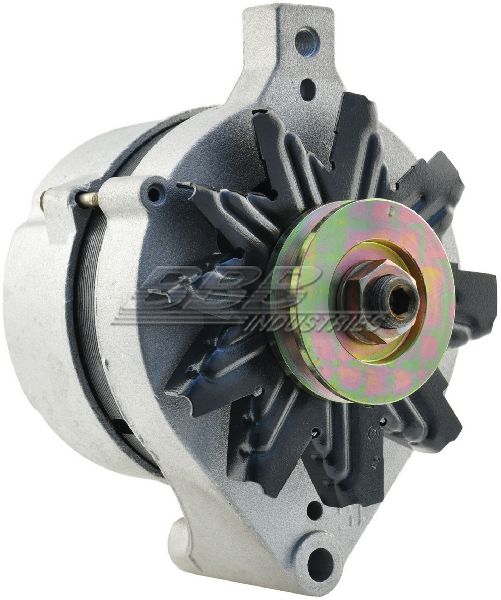
- Quality Replacement (Remy, MPA, BBB Industries): These brands are solid choices for a stock or near-stock vehicle. They provide reliable performance that meets or exceeds original specifications. Remy is a long-standing name in electrical components.
Pro Tip: When upgrading to a high-output alternator (over 100 amps), you must also upgrade the main power wire (charge cable) from the alternator to the battery or solenoid. A thicker 4-gauge or 6-gauge wire is needed to safely handle the increased current.
Estimated Costs
| Part Type | Estimated Cost |
|---|---|
| New Aftermarket Alternator | $95.90 - $503.92 |
| Remanufactured Alternator | $64 - $120 |
| Shop Labor | $100 - $200 |
Frequently Asked Questions
Do I need a high-output alternator?
If your Mustang is completely stock, a standard 55-60 amp alternator is fine. If you have added an electric fan, a modern stereo with an amplifier, electronic ignition, or other electrical accessories, you should upgrade to a 100-amp or higher alternator to prevent issues.
What is a one-wire alternator?
A one-wire alternator has an internal voltage regulator. This means you only need to connect a single wire from the alternator's output post to the battery (usually at the starter solenoid). It's a simple and clean way to upgrade from the original external regulator system.
What's the difference between a generator and an alternator?
The first Mustangs in 1964.5 used a generator. Alternators, used from 1965 onward, are more efficient, lighter, and provide better charging at low engine speeds (idle). Upgrading a 1964.5 model from a generator to an alternator is a very common and highly recommended modification. Some companies, like Powermaster, even make alternators that look like the original generators for a stock appearance.
Is replacing the alternator a DIY job?
Yes, for most owners with basic tools. The process involves disconnecting the battery, loosening the belt, removing two bolts and the wiring, and then reversing the process. It's one of the easier jobs on a classic Mustang.
🎬 Watch this step-by-step walkthrough of a classic Mustang alternator replacement.Are there any recalls or known issues?
Searches found no major safety recalls on NHTSA for alternators on these models. However, a Technical Service Bulletin (TSB) from 1964 mentioned the potential for incorrect mounting bracket bolts on some 1965 models with the 289 engine, which could lead to insufficient thread engagement. Owners also report that new aftermarket voltage regulators can sometimes be faulty out of the box, leading to charging problems even with a new alternator.
Helpful Videos
Technical Specifications
Original alternators for 1965-1971 models were externally regulated and typically ranged from 38 to 60 amps. They used a V-belt pulley system. The earliest 1964.5 models used a generator, not an alternator.
We Have This Part in Stock


The information in this article is provided for general reference and educational purposes only. Vehicle specifications, procedures, and part compatibility can vary by production date, trim level, and region. Always consult your vehicle's factory service manual and verify part numbers before purchasing or performing repairs. Safety-critical components such as airbags, seat belts, and braking systems should be installed by a qualified professional.