

A Guide to Aftermarket Starters for the 1964-1971 Ford Mustang
Solve common starting problems like heat soak and slow cranking by choosing the right modern starter for your classic Mustang.
- Heat soak is the most common starter issue for this era; a modern high-torque mini starter is the best solution.
- Upgrading to a gear-reduction mini starter is highly recommended for improved torque, lighter weight, and better header clearance.
- Always verify the starter matches your specific engine (small-block/big-block) and transmission (manual/automatic) to ensure correct fitment.
- Consider replacing the inexpensive fender-mounted starter solenoid at the same time you replace the starter to prevent future issues.
Is Your Mustang's Starter Failing?
A bad starter can leave you stranded. The original starters on these classic Mustangs were large, heavy, and prone to issues, especially as they age. Recognizing the symptoms early can save you a headache.
- Single Loud Click: You turn the key and hear one loud click from the engine bay, but the engine doesn't crank. This often means the starter solenoid is engaging, but the motor itself isn't turning over.
- Slow, Labored Cranking: The engine turns over very slowly, as if the battery is weak. If the battery is good, the starter motor may be worn out and drawing too much power.
- Grinding Noise: A harsh grinding sound during startup can mean the starter gear is not meshing correctly with the flywheel or is already damaged.
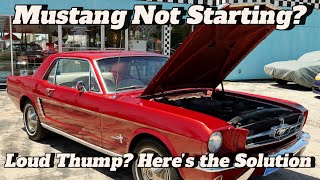
- No Sound at All: Complete silence when you turn the key could be a number of electrical issues, but a completely failed starter or solenoid is a possibility. 🎬 Watch: Troubleshooting a classic Mustang that won't start
- Hot-Start Problems (Heat Soak): This is a very common issue with classic Mustangs, especially V8 models with aftermarket headers. The engine starts fine when cold, but after a drive, it will only click or crank very slowly once it's hot. This happens because heat from the exhaust manifold or headers radiates to the nearby starter, increasing its internal electrical resistance and preventing it from working until it cools down.
A Note on Recalls and TSBs
Due to the age of 1964-1971 Mustangs, there are no active starter-specific recalls or Technical Service Bulletins (TSBs) from Ford. Modern recalls and TSBs apply to much newer models. Any starting issues on these classic cars are due to age, wear, or the original design limitations.
Choosing the Right Aftermarket Starter
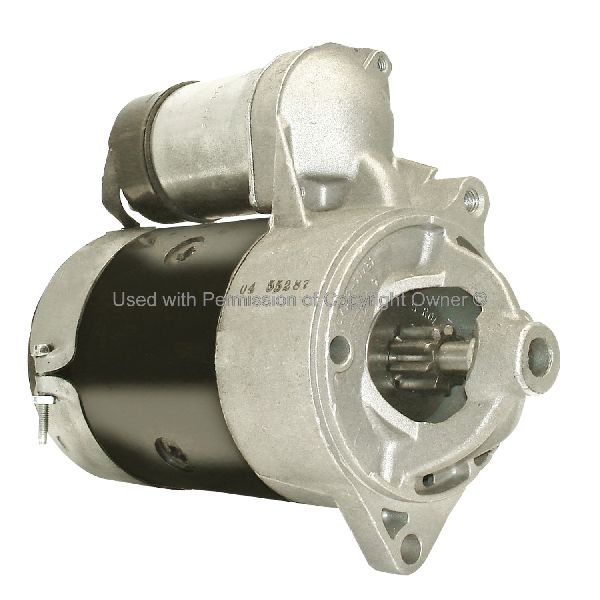
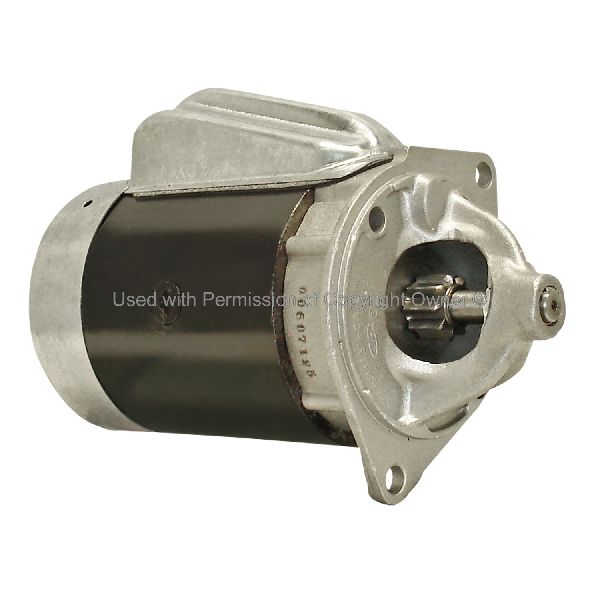
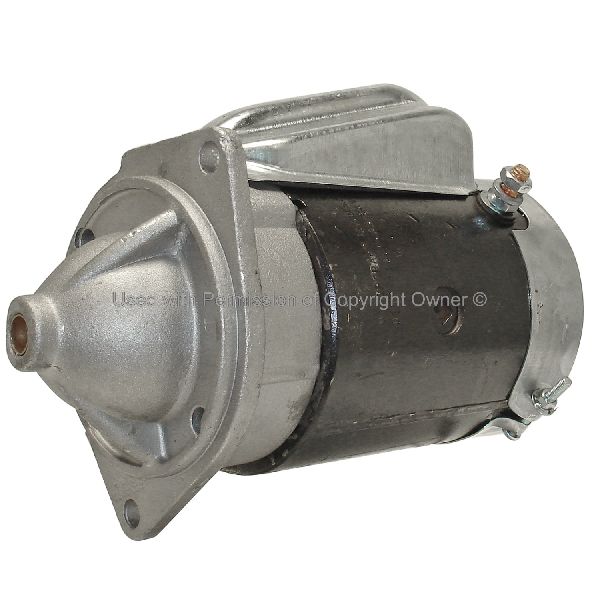
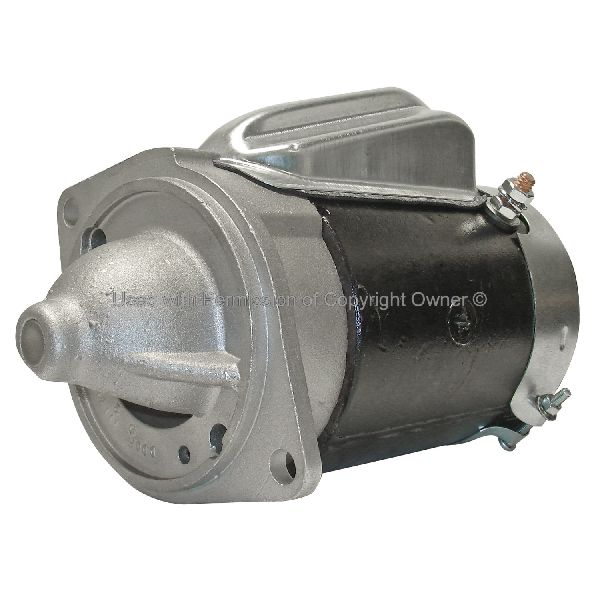
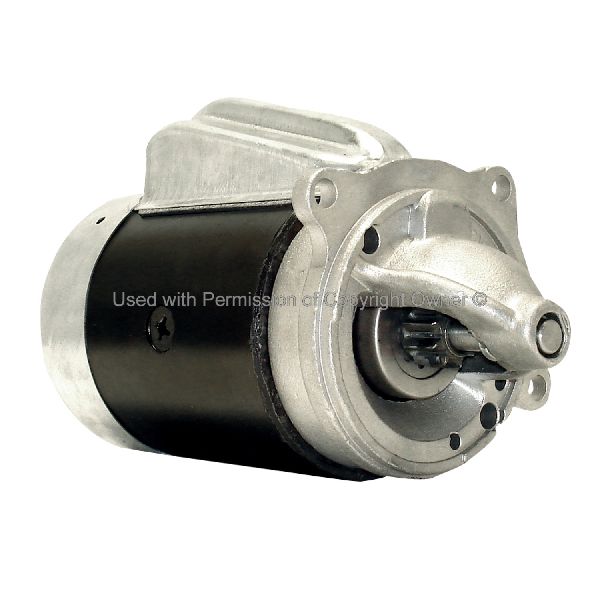
For classic Mustangs, replacing an original starter with a modern aftermarket unit is a significant upgrade. Original starters were heavy, direct-drive units, weighing around 18 pounds. Most modern replacements are high-torque, gear-reduction "mini starters." These are smaller, weigh less than half as much (around 8.5 lbs), draw less power, and provide more cranking torque, making them ideal for both stock and modified engines.
Brand Quality & Tiers
Several brands offer starters for your Mustang, falling into different categories:
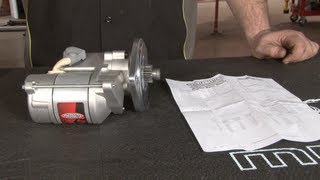
- High-Performance (Problem Solvers): Brands like Powermaster, MSD, and Ford Performance are top choices for solving issues like heat soak or for starting high-compression, modified engines. They build high-torque, durable mini starters designed for performance and reliability. Powermaster even offers starters that have a modern gear-reduction design inside a case that looks like the original. 🎬 See how high-torque mini starters solve common starting issues
- Value Performance: Brands like Proform and Mr. Gasket often provide the benefits of a high-torque, gear-reduction starter at a more budget-friendly price point. They are a solid upgrade over stock for mildly modified or daily-driven cars.
- Standard Replacement: Brands such as ACDelco and MPA offer reliable, direct-fit replacement starters. While they may not have the high-torque benefits of performance brands, they are a dependable choice for a stock restoration where a functional, new part is the main goal.
Common Ordering Mistake: Transmission and Engine Mismatch
The single most important factor when ordering a starter is ensuring it matches your engine AND transmission. Starters for automatic and manual transmissions often have different nose cone depths to properly engage the flexplate or flywheel. Likewise, small-block (289/302/351W) and big-block (390/428) engines may require different starters. Always double-check the part's fitment details for your exact combination.
How Much Does a New Starter Cost?
The cost depends on the brand and type of starter you choose. High-performance mini starters cost more than standard replacements, but their ability to solve common problems like heat soak often makes them a worthwhile investment.
| Part Type | Estimated Cost |
|---|---|
| New Aftermarket Starter | $59.24 - $391.59 |
| Shop Labor for Installation | $120 - $250 |
Frequently Asked Questions
What is a high-torque mini starter and why should I use one?
A high-torque mini starter uses a gear reduction system, which allows a smaller, lighter motor to produce more cranking force than the large, original direct-drive starter. They are a popular upgrade for classic Mustangs because they solve heat soak problems, provide more clearance for exhaust headers, and crank high-compression engines more easily.
Will a heat shield or blanket fix my hot-start problem?
Sometimes, but not always. A heat shield or insulating blanket can help protect the starter from exhaust heat. However, many owners find that the best and most permanent solution for heat soak is to replace the old, large starter with a modern high-torque mini starter that is inherently less affected by heat.
Do I need to replace the starter solenoid too?
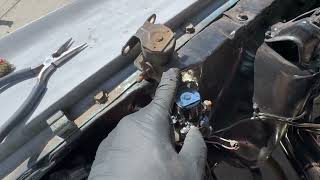
It's a good idea. On 1964-1971 Mustangs, the main starter solenoid (also called a relay) is mounted separately on the fender wall, not on the starter itself. These solenoids are inexpensive and can fail, causing a "click, no-crank" symptom. Replacing it when you replace the starter is cheap insurance against future starting problems.
Is replacing the starter a difficult job?
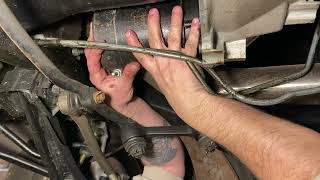
No, it's generally considered a straightforward job for a DIY mechanic. It typically involves disconnecting the battery, raising the car securely, removing two bolts and a wire from the old starter, and installing the new one. Access can be tight, especially with long-tube headers, but it usually doesn't require special tools.
🎬 Watch this step-by-step guide to replacing your Mustang's starterHelpful Videos
Technical Specifications
When choosing a starter, look for compatibility with your engine (e.g., Small Block Ford 289/302/351W or Big Block FE 390/428) and transmission type (manual or automatic). For performance upgrades, key specs include the gear reduction ratio (e.g., 4.4:1) and torque rating, which determine cranking power. Also, confirm flywheel/flexplate tooth count compatibility (e.g., 157-tooth or 164-tooth).
We Have This Part in Stock

The information in this article is provided for general reference and educational purposes only. Vehicle specifications, procedures, and part compatibility can vary by production date, trim level, and region. Always consult your vehicle's factory service manual and verify part numbers before purchasing or performing repairs. Safety-critical components such as airbags, seat belts, and braking systems should be installed by a qualified professional.