

A Guide to Replacing the Starter on Your 1964-1972 Buick Skylark
Solve common starting problems like slow cranking and heat soak on your classic Skylark.
- The most common failure is 'heat soak,' where the starter won't work when the engine is hot.
- Upgrading to a modern, high-torque 'mini-starter' is the most reliable fix for heat soak and improves starting performance.
- Always check your battery and cable connections first, as they can mimic the symptoms of a bad starter.
- Replacement is a DIY-friendly job, but be aware that the original starter is very heavy and you may need shims for proper alignment.
Is Your Skylark's Starter Failing?
Before replacing your starter, always make sure your battery is fully charged and the battery cables are clean and tight. A weak battery or corroded connections can show the same symptoms as a failing starter. If the battery and cables are good, but you experience the following symptoms, your starter is the likely problem.
A Common Problem on Classic Buicks: Heat Soak
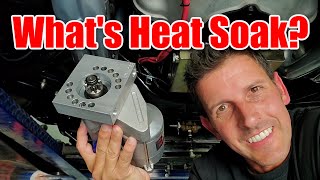
The most common starting issue for the 1964-1972 Skylark is "heat soak." This happens when the large, original-style starter absorbs heat from the nearby exhaust manifold. This heat increases electrical resistance inside the starter, making it struggle to crank the engine when hot. The classic symptom is a car that starts perfectly when cold, but cranks very slowly or not at all after a drive. 🎬 Learn more about diagnosing and fixing common starter heat soak issues. After cooling down for 20-30 minutes, it will often start again.
Choosing the Right Aftermarket Starter
For a classic car like the Skylark, new Original Equipment (OEM) starters from GM are generally no longer produced. The market consists of remanufactured units and new aftermarket starters. Your choice depends on your goals for the car.
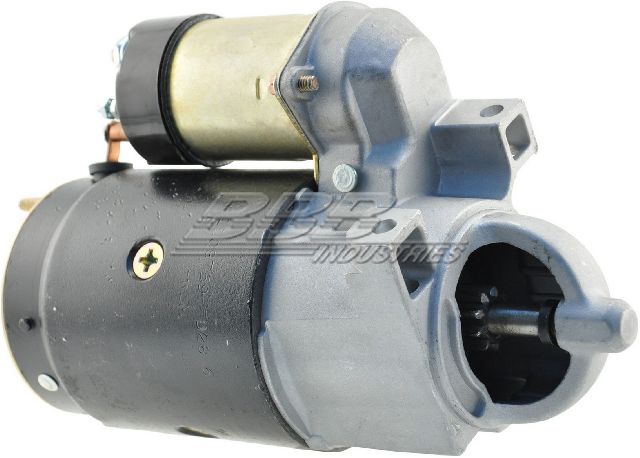
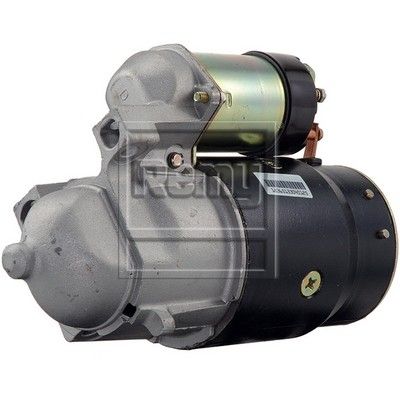
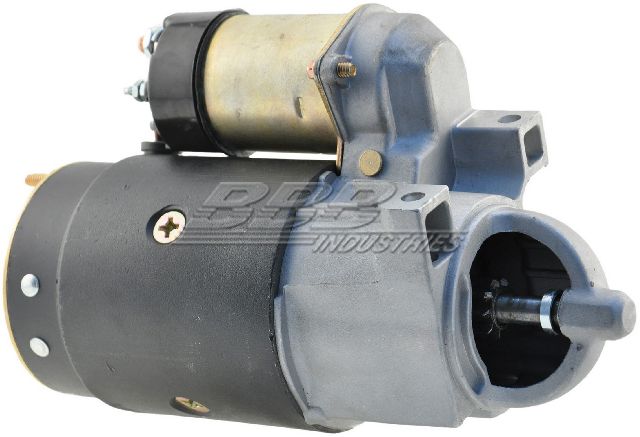
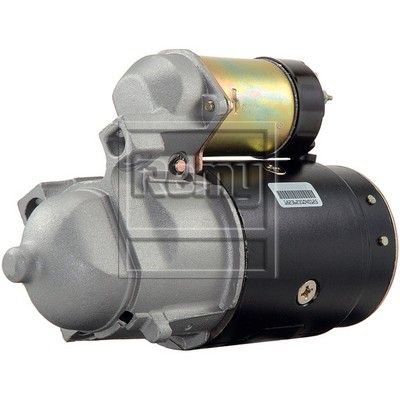
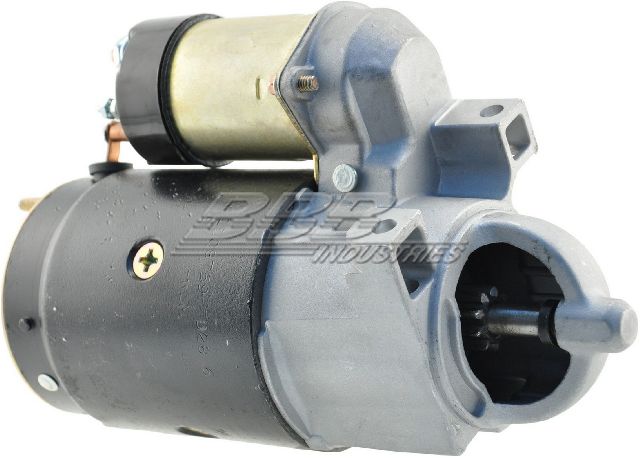
- Standard Remanufactured Starters (BBB Industries, Remy): These brands offer starters that are rebuilt to original factory specifications. They are a cost-effective choice for a stock vehicle where originality is important. However, because they follow the original large, heavy design, they can still be prone to the same heat soak issues. Both BBB Industries and Remy are established aftermarket suppliers.
- High-Torque "Mini-Starters": For owners experiencing heat soak, or those with modified engines (like with headers or higher compression), a modern high-torque starter is the best solution. These starters are smaller, lighter, and use a gear reduction design to produce more cranking power with less electricity, making them much more resistant to heat soak.
Pro Tip: If you have headers or a high-compression engine, a high-torque mini-starter is a highly recommended upgrade for reliability and better clearance.
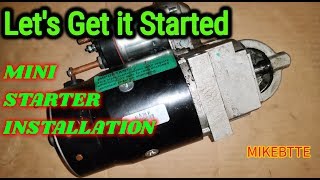
🎬 See how to install a high-torque mini starter on your Buick.Cost of a 1964-1972 Buick Skylark Starter
| Part Type | Estimated Cost |
|---|---|
| New Aftermarket (Standard & High-Torque) | $106.24 - $184.80 |
| Remanufactured (BBB, Remy, etc.) | $80 - $200 |
| Shop Labor for Installation | $150 - $250 |
Note: Prices are estimates and can vary based on brand and retailer. Labor costs are based on typical shop rates.
Frequently Asked Questions (FAQ)
Do I need to use shims when installing a new starter?
Maybe. Many GM vehicles of this era require thin metal shims between the starter and the engine block to ensure the starter gear properly aligns with the flywheel. An incorrect gap can cause a grinding noise or damage to both the starter and flywheel. It's a good idea to have a shim kit on hand, especially when installing an aftermarket starter.
How can I tell if it's the starter or just a weak battery?
The sounds can give you a clue. A rapid, fast clicking noise when you turn the key usually points to a weak battery that doesn't have enough power. A single, loud "CLICK" with no engine crank usually means the battery is strong, but the starter or its solenoid has failed. Always test the battery first.
Are there any recalls on the Skylark starter?
No. Due to the age of the vehicle, a search of the National Highway Traffic Safety Administration (NHTSA) database shows no safety recalls or Technical Service Bulletins (TSBs) for the starter on the 1964-1972 Skylark. All common problems are related to age and normal wear.
How hard is it to replace the starter myself?
For a home mechanic with basic tools, this is a very manageable job that typically takes 1-2 hours. It involves disconnecting the battery, safely jacking up the car, removing a few wires and two mounting bolts. Be prepared for the original starter to be very heavy.
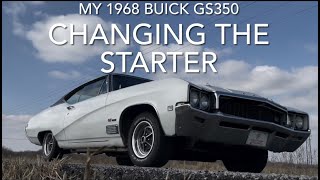
🎬 Watch this step-by-step walkthrough of a Skylark starter replacement.Helpful Videos
Technical Specifications
The 1964-1972 Buick Skylark uses a block-mounted starter. Aftermarket replacements are available in the original direct-drive style or as a modern gear-reduction (high-torque) design. Most replacements are designed to work with both 153-tooth and 168-tooth GM flywheels. The original starter is very heavy, while modern high-torque versions are significantly smaller and lighter.
We Have This Part in Stock

The information in this article is provided for general reference and educational purposes only. Vehicle specifications, procedures, and part compatibility can vary by production date, trim level, and region. Always consult your vehicle's factory service manual and verify part numbers before purchasing or performing repairs. Safety-critical components such as airbags, seat belts, and braking systems should be installed by a qualified professional.