

A Ford Mechanic's Guide to 1964-1972 Ford Custom Drum Brake Shoes
Keep your classic Ford stopping safely and reliably with the right set of new brake shoes.
- Aftermarket brake shoes are the standard for this vehicle; brands like Wagner and Centric are reliable for daily driving.
- Always inspect the wheel cylinders for leaks before installing new shoes; fluid contamination will ruin the new parts.
- For safety and performance, replace all springs and hardware with the shoes and have the drums inspected or resurfaced.
- Symptoms like grinding noises or a soft pedal are serious safety concerns that require immediate attention.
Symptoms of Worn Drum Brake Shoes on Your Ford Custom
On a classic car like the Ford Custom, brake parts wear out from both use and age. Ignoring the signs of failing brake shoes is a major safety risk. Listen and feel for these common symptoms:
- Scraping or Grinding Noises: This is a critical sign. It often means the friction material is completely gone, and the metal shoe is grinding against the metal drum. This can quickly damage the drum, leading to a more expensive repair.
- Soft or Spongy Brake Pedal: If your brake pedal feels mushy or travels further to the floor than it used to, it can indicate worn shoes or, more commonly on these cars, a leaking wheel cylinder that has contaminated the shoes.
- Car Pulls to One Side: When you apply the brakes, if the car veers left or right, it suggests the brakes are working unevenly. This could be caused by a worn-out shoe on one side or brake fluid contaminating the shoes.
- Vibrations When Braking: A pulsation or vibration felt in the brake pedal can be caused by warped brake drums, which can result from unevenly worn shoes.
- Loose Parking Brake: The rear brake shoes are what hold the car in place when the parking brake is engaged. If the parking brake handle pulls up higher than usual or doesn't hold the car securely, the shoes may be worn out.
Check for Leaks
The most common problem related to brake shoes on these classic Fords is a leaking wheel cylinder. If a cylinder leaks brake fluid onto the new shoes, it will ruin them instantly. Always peel back the rubber boot on the wheel cylinder to check for any wetness before installing new shoes. If you see any fluid, you must replace the wheel cylinder.
Choosing the Right Aftermarket Brake Shoes
For a vehicle from the 1960s and 70s, finding original Ford (OEM) brake shoes is nearly impossible. The aftermarket is the primary source for new parts, and the quality from reputable brands often meets or exceeds the original 1960s technology. Your choice depends on your budget and how you drive your Custom.
Brand Tiers for Your Ford Custom
- Daily Driver / Standard Replacement (Good): Brands like Wagner and Centric are excellent choices for normal driving. They are known for providing reliable, quiet performance that is equivalent to original parts. They offer a great balance of quality and price for the typical classic car owner.
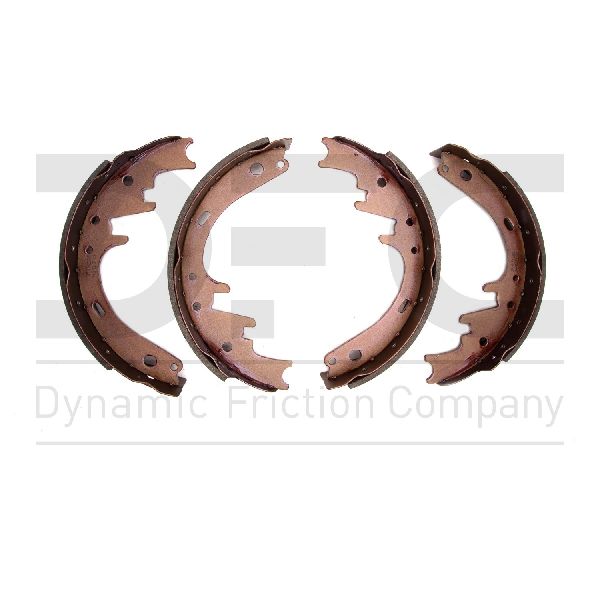
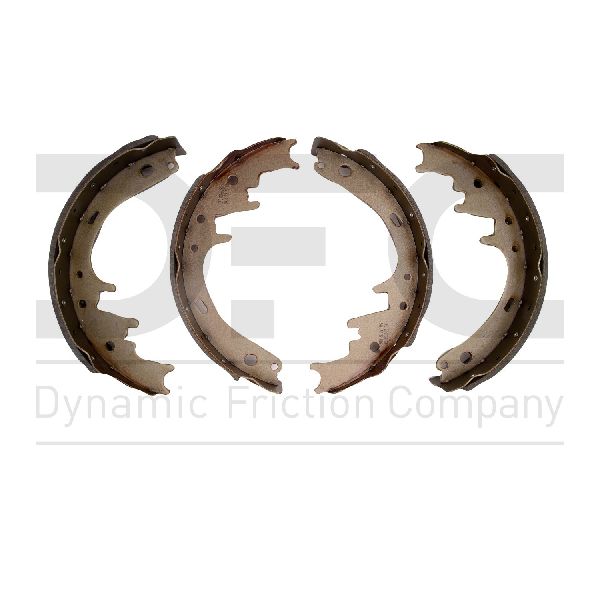
- Daily Driver (Better): Dynamic Friction is another solid option that often comes at a competitive price. Forum users generally find their quality to be good for everyday use, making them a reliable alternative to other established brands.
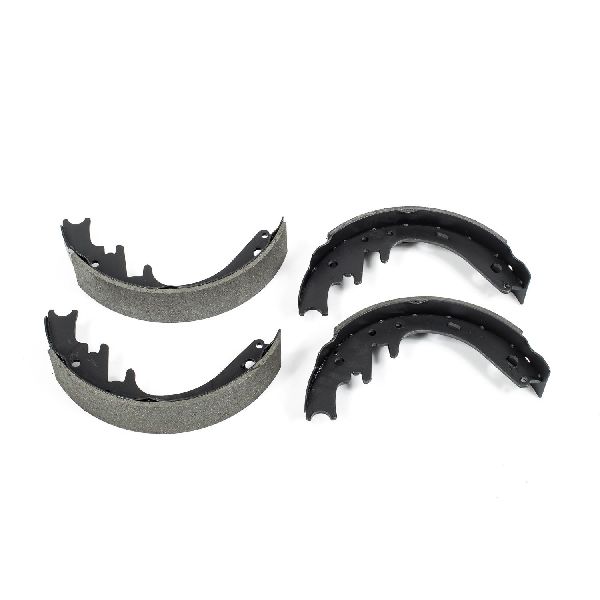
- Performance / Heavy-Duty (Best): If you have a modified engine or simply want the strongest possible braking, Powerstop is a popular choice. Their shoes are engineered for better stopping power, though sometimes this can come with more brake dust. This is a great option for those who prioritize performance.
Pro Tip: Always Replace the Hardware
When you replace your brake shoes, you should also replace all the springs and clips. A new hardware kit is inexpensive and ensures the new shoes move correctly and don't drag. Old, stretched springs can cause noise and premature wear. Also, inspect the flat pads on the backing plate where the shoes rest; if they have grooves worn into them, it can cause the brakes to bind.
Estimated Costs for Drum Brake Shoe Replacement
| Part/Service | Estimated Cost |
|---|---|
| New Aftermarket Brake Shoes (one axle) | $50 - $87 |
| Shop Labor | $180 - $300 |
| Total Estimated Cost | $230 - $387 |
Cost estimates are for one axle (front or rear) and can vary based on your location and the specific repair shop.
Frequently Asked Questions (FAQ)
Do I have to replace brake shoes in pairs?
Yes, always. Brake shoes must be replaced as an axle set (both front wheels or both rear wheels) to ensure even braking and prevent the car from pulling to one side. Mismatched shoes can be dangerous.
Can I replace just the brake shoes myself?
Yes, if you have moderate mechanical skill and the right tools. The job requires safely lifting and supporting the vehicle on jack stands. While special tools for brake springs make the job easier, it can be done with pliers and basic hand tools. Taking a picture of the assembly before you take it apart is a great way to remember how the springs go back on.
What other parts should I inspect when replacing the shoes?
Besides the wheel cylinders, you should always inspect the brake drums for deep grooves, cracks, or signs of overheating. If the surface is not smooth, the drums should be resurfaced (machined) or replaced. Also, check the brake hardware (springs and clips) and the self-adjuster mechanism to ensure they are clean and moving freely.
What kind of brake fluid should I use?
For a 1964-1972 Ford Custom, standard DOT 3 brake fluid is the correct type. Always use new fluid from a sealed container, as old fluid absorbs moisture and can cause corrosion in your brake system.
Technical Specifications
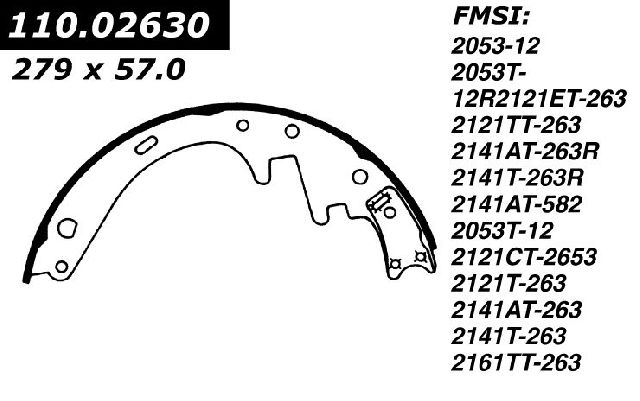
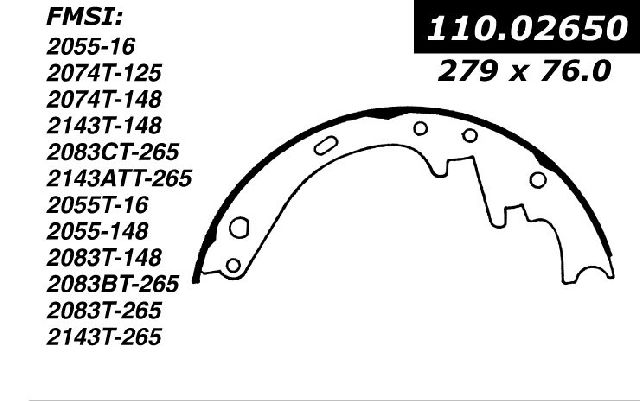
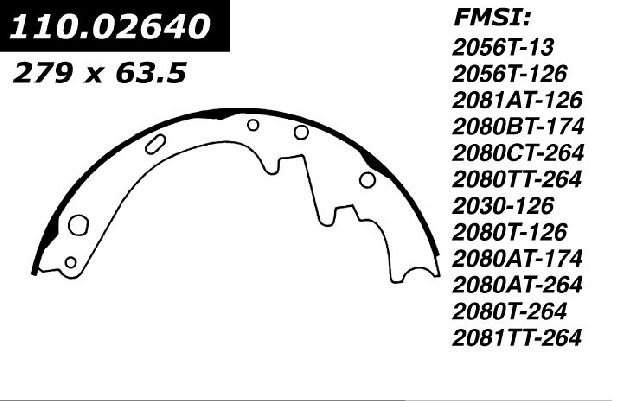
Brake Shoe Size: Varies by front/rear application and specific model year. Common sizes for this platform are 11" x 3" or 11" x 2.25". Always verify fitment for your specific vehicle.
We Have This Part in Stock

The information in this article is provided for general reference and educational purposes only. Vehicle specifications, procedures, and part compatibility can vary by production date, trim level, and region. Always consult your vehicle's factory service manual and verify part numbers before purchasing or performing repairs. Safety-critical components such as airbags, seat belts, and braking systems should be installed by a qualified professional.