

Ford Custom Starter Motor: A Guide for the 1964-1972 Models
Solve common starting problems like heat soak and slow cranking with the right aftermarket starter.
- The most common issue is 'heat soak' causing no-start conditions when the engine is hot; a high-torque mini-starter is the best fix.
- Before replacing the starter, always check the battery, cables, and ground connections, as they can cause identical symptoms.
- Upgrading to a gear-reduction starter from a brand like Powermaster is a significant reliability improvement over an OEM-style replacement.
- You must order a starter that specifically matches your Ford's engine (e.g., FE, Windsor) and transmission type (manual or automatic).
Is Your Ford Custom Starter Failing?
A bad starter can leave your classic Ford stranded. The large V8 engines in these cars require a strong, reliable starter. Over time, the original factory starters can wear out or become prone to heat-related issues, leading to frustrating no-start situations. Recognizing the symptoms early is key.
Symptoms of a Bad Starter
- Hot Start Failure (Heat Soak): This is the most common complaint for 1964-1972 Fords. The engine starts fine when cold, but after a drive, it refuses to crank. After letting it cool down for 15-60 minutes, it starts up again. This is caused by heat from the exhaust manifold increasing electrical resistance in the starter. 🎬 Watch: Understanding heat soak and how to fix it
- Clicking Sound, No Crank: You turn the key and hear a single loud "click" or rapid clicking, but the engine doesn't turn over. This usually means the fender-mounted solenoid is working, but the starter motor itself is failing to engage.
- Slow, Labored Cranking: The engine turns over much slower than normal, as if the battery is weak. This can be a sign that the starter motor's internal components are worn and it's drawing too much power.
- Grinding Noise: A harsh grinding or whirring sound when you try to start the car suggests the starter gear is not meshing correctly with the flywheel, or the teeth on either gear are damaged.
- No Sound at All: Complete silence when you turn the key could mean a dead starter, a failed fender solenoid, or a problem in the ignition circuit.
First, Check the Basics
Before you replace the starter, make sure your battery is fully charged and the terminals are clean and tight. Inspect the thick battery cables running to the engine block (ground) and the fender solenoid. Old, corroded, or loose cables can cause the exact same symptoms as a bad starter, including heat soak.
Choosing the Right Aftermarket Starter
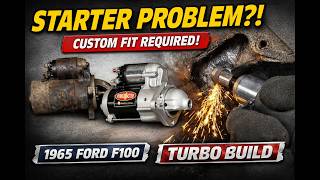
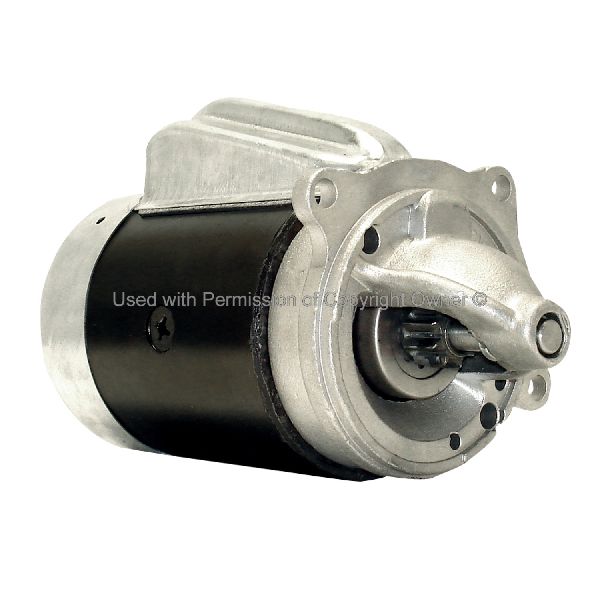
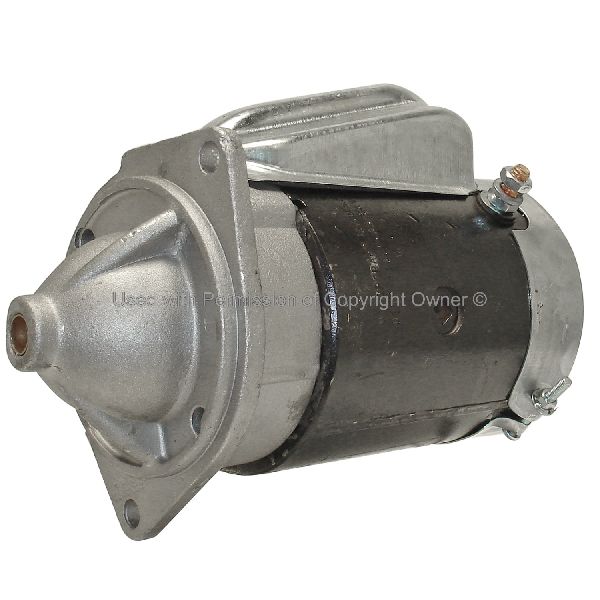
For the 1964-1972 Ford Custom, especially those with V8 engines, upgrading to a modern aftermarket starter is often a better choice than a direct OEM-style replacement. The original starters are a large, heavy, direct-drive design prone to heat issues. Most modern aftermarket options are high-torque, gear-reduction starters (also called mini-starters or PMGR starters) that provide significant benefits.
Performance Tier: High-Torque Gear Reduction Starters
These starters are the best solution for owners experiencing heat soak or those with modified, high-compression engines. They are smaller, lighter, and use a gear system to multiply torque, allowing them to spin the engine faster while drawing less amperage. This makes them much more efficient and resistant to heat-related problems.
- Powermaster: Widely considered a top-tier choice in enthusiast forums. They are known for their reliability, high torque, and ability to solve stubborn heat soak issues. Many are made in the USA and have adjustable mounting blocks (clockable) to provide clearance for aftermarket headers. 🎬 See this Powermaster mini starter installation on a Ford FE
- MSD, Proform, Mr. Gasket: These brands also offer high-quality gear reduction starters that provide a significant upgrade over stock. They deliver more cranking power and are a popular choice for performance and reliability.
Standard Tier: OEM-Style Replacements
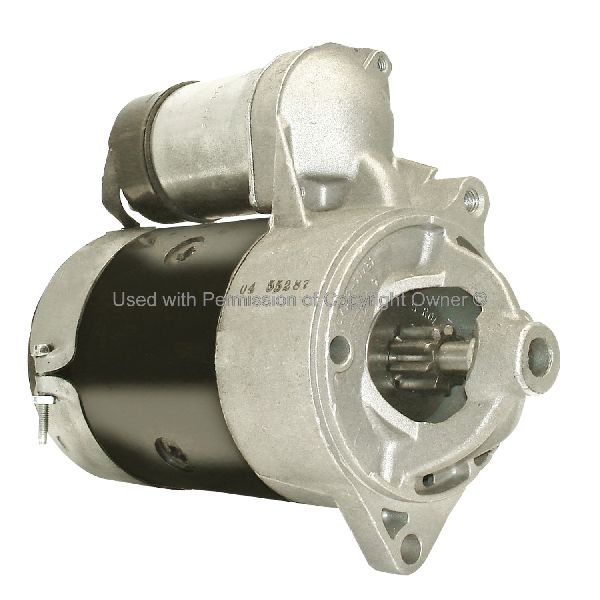
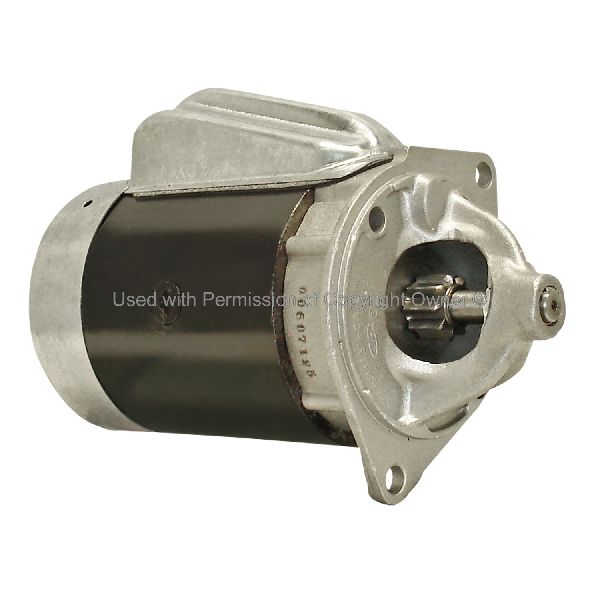
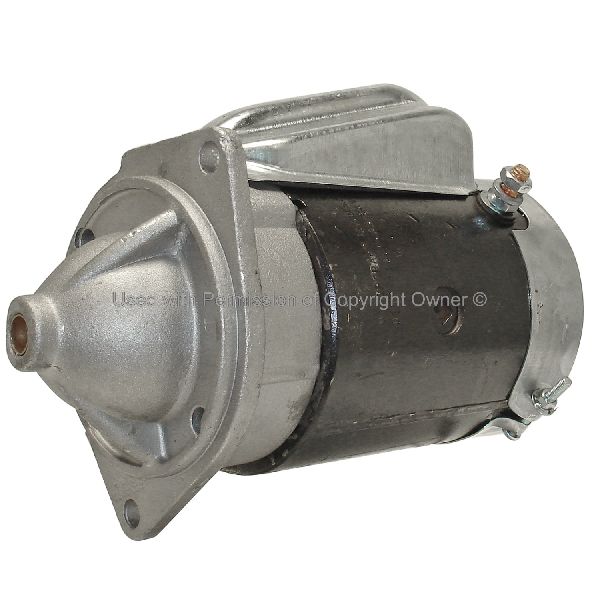
These starters are designed to be a direct replacement for the original factory part. They are a cost-effective option for a stock vehicle that is not experiencing heat-related starting problems.
- ACDelco, MPA: These brands offer new and remanufactured starters that match the original specifications. While they will get the job done on a standard, unmodified engine, they may eventually suffer from the same heat soak issues as the original starter, especially if you have aftermarket headers or live in a hot climate.
Match the Starter to Your Engine and Transmission
Ford used several different engine families in the Custom (including FE series like the 390, and Windsor series like the 351W). These engines require different starters. You must also order the correct part for your automatic or manual transmission, as the nose cone length often differs. Always verify fitment before ordering.
Frequently Asked Questions
What is a high-torque or gear-reduction starter?
A high-torque, gear-reduction starter uses internal gears to increase cranking torque, similar to how a low gear in a transmission helps a car get moving. This allows for a smaller, lighter, and more efficient motor that can turn the engine over faster with less strain on the battery, making it ideal for high-compression engines and solving heat soak problems.
What is "heat soak" and how does a new starter fix it?
Heat soak occurs when the starter motor absorbs heat from nearby exhaust manifolds or headers. This heat increases the electrical resistance inside the starter's windings, causing it to struggle or fail to crank a hot engine. High-torque aftermarket starters are less susceptible because their efficient design requires less amperage to operate, and their smaller size can provide more air gap and clearance from hot exhaust parts.
Do I need to replace the solenoid on the fender too?
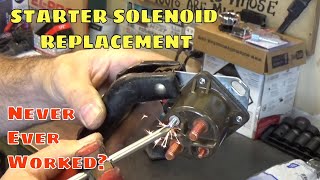
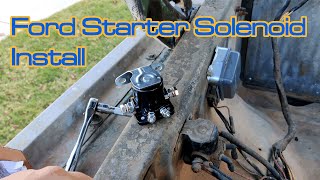
The fender-mounted starter relay is a very common failure point on classic Fords and can cause a "click, no-crank" symptom. Because they are inexpensive and easy to replace, it is often a good idea to replace the relay at the same time as the starter, or at least test it to ensure it's working correctly.
🎬 Watch: How to replace a Ford fender-mounted starter solenoidWhy does my new starter make a grinding noise?
A grinding noise usually indicates a misalignment between the starter's gear and the engine's flywheel. This can happen if the starter is not seated correctly or if shims are needed to achieve the proper spacing. Some aftermarket starters include shims for this purpose. Ensure all mounting surfaces are clean and the bolts are tightened evenly.
Helpful Videos
Technical Specifications
The original starter is a direct-drive design. Most aftermarket upgrades are Permanent Magnet Gear Reduction (PMGR) or 'mini-starters'. These are physically smaller, lighter, and use internal gearing to produce higher torque. Starters for this vehicle use a 3-bolt mounting pattern. The correct starter must be selected based on engine family and transmission type.
We Have This Part in Stock

The information in this article is provided for general reference and educational purposes only. Vehicle specifications, procedures, and part compatibility can vary by production date, trim level, and region. Always consult your vehicle's factory service manual and verify part numbers before purchasing or performing repairs. Safety-critical components such as airbags, seat belts, and braking systems should be installed by a qualified professional.
- 🎬 Helpful Videos
- 🛍️ Shop This Part
- Is Your Ford Custom Starter Failing?
- Symptoms of a Bad Starter
- First, Check the Basics
- Choosing the Right Aftermarket Starter
- Performance Tier: High-Torque Gear Reduction Starters
- Standard Tier: OEM-Style Replacements
- Match the Starter to Your Engine and Transmission
- Frequently Asked Questions
- 🎟️ Get 5% Off