

Ford Mustang Engine Oil Pressure Switch Guide (1964-1972)
Is your oil light flickering or giving false warnings? This guide covers choosing the right replacement oil pressure switch for your classic Mustang.
- A flickering or faulty oil light is the most common symptom of a bad switch.
- Confirm whether your Mustang has a warning light (switch) or a gauge (sender) before buying a replacement.
- Replacement is a simple, beginner-friendly DIY task that takes less than 30 minutes.
- Always investigate an oil light immediately; even if it's likely a bad switch, ignoring it risks severe engine damage.
Is Your Oil Light Lying to You?
A flickering or incorrectly illuminated oil pressure light is a common issue on classic Mustangs, and the oil pressure switch is often the culprit. This component lives a hard life, exposed to engine heat and constant pressure changes. Over time, the internal diaphragm can fail, or the body can crack and leak. Because it is the only warning system for low oil pressure on most models, a functioning switch is essential for engine safety. Ignoring a potential low-oil-pressure situation can lead to catastrophic engine damage.
Symptoms of a Failing Oil Pressure Switch
Recognizing the signs of a bad oil pressure switch is the first step. The symptoms can sometimes mimic actual engine problems, so it's important to diagnose the issue correctly.
- Oil Light Flickering at Idle: The light may flicker when the engine is warm and idling, then go out as you increase RPMs. This can be caused by a faulty switch that is sensitive to the natural drop in pressure at idle.
- Oil Light Stays On: If you've confirmed your oil level is correct and the engine sounds normal, the switch may be stuck in the 'on' position, creating a false warning.
- Oil Light Never Comes On: The switch can also fail in the 'off' position. This is a dangerous condition because you will not be warned of a real low-pressure event. You can test this by seeing if the light illuminates when you turn the key to the 'On' position before starting the engine.
- Visible Oil Leak: The switch itself can become a source of an oil leak. Look for oil residue on the switch body, its electrical connector, and the area of the engine block around it.
Warning: Switch vs. Sender
This guide is for the oil pressure switch, which operates a warning light. Some Mustangs were equipped with an optional instrument cluster that included a physical oil pressure gauge. Those vehicles use an oil pressure sender or sending unit, which is a different part. A sender provides a variable signal to move the gauge needle, whereas a switch is a simple on/off mechanism. Ensure you order the correct part for your car's dashboard configuration (light or gauge).
Choosing the Right Aftermarket Switch
For a classic vehicle like the 1964-1972 Mustang, the distinction between OEM and aftermarket can be blurry. Motorcraft is Ford's official parts brand, and for many owners, it's the preferred choice for electrical components due to its reputation for quality and correct specifications. However, high-quality aftermarket brands have been servicing these cars for decades.
Here's a breakdown of the available brands:
- Motorcraft: As Ford's own parts supplier, Motorcraft switches are considered a top-tier replacement. They are designed to meet original equipment specifications for activation pressure and durability. While they are often the most expensive option, many owners feel the peace of mind is worth the cost for a critical sensor.
- Standard Ignition (SMP): A long-standing and generally respected aftermarket manufacturer. They produce a wide range of automotive electronics and are a common, reliable choice found in most auto parts stores. Their quality is typically considered good for the price.
- Rostra Powertrain: Rostra is another established aftermarket supplier. While perhaps less known to the general public than the other two, they manufacture a variety of automotive components. Their switches are a budget-friendly alternative that meets the basic requirements for the part.
Pro Tip: Check Your Connector
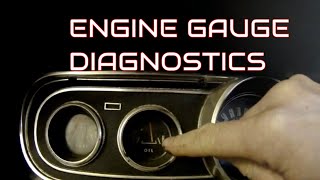
Over the 1964-1972 production run, Ford used different electrical connectors on the oil pressure switch, most commonly a single post for a push-on boot connector or a spade terminal. Before ordering, check the connector style on your existing switch to ensure the new part is a direct match. 🎬 See these helpful tips for diagnosing engine gauge feed wiring. Some replacement parts may require minor wiring modifications if the original style is not available.
Cost of a New Engine Oil Pressure Switch (1964-1972 Mustang)
| Part Type | Typical Cost |
|---|---|
| New Aftermarket (Rostra, Standard) | $6.99 - $20.00 |
| New Premium Aftermarket / Motorcraft | $20.00 - $35.57 |
| Shop Labor for Installation | $50 - $100 |
Frequently Asked Questions
Where is the oil pressure switch located?
On most V8 and inline-6 engines from this era, the oil pressure switch is located on the engine block, typically near the oil filter or the fuel pump. It screws directly into an oil gallery in the block. You will see a single wire attached to it.
Is replacing the oil pressure switch a difficult DIY job?
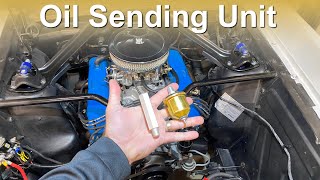
No, this is a very easy job for a DIY mechanic. It typically takes less than 30 minutes. 🎬 Watch this quick walkthrough on replacing the oil sending unit. The process involves disconnecting the battery, unplugging the single wire, and using a wrench or a special oil pressure switch socket to unscrew the old switch. Install the new switch (with thread sealant if not pre-applied), reconnect the wire and battery, and check for leaks.
Do I need to use thread sealant on the new switch?
Yes, it is highly recommended. Use a thread sealant appropriate for oil and gas (like Teflon tape or a liquid sealant) on the threads of the new switch to prevent oil leaks. Some new switches come with sealant already applied to the threads.
What is the difference between an oil pressure switch and a sender?
A switch is for a warning light and works like a simple on/off button, triggered by a specific low pressure. A sender (or sending unit) is for a gauge and provides a variable resistance signal that allows the gauge to display a range of pressures. They are not interchangeable. Using the wrong one will result in an inoperative or incorrect reading.
My oil light is on, but my oil level is full. What should I do?
First, do not continue to run the engine if you suspect a real oil pressure problem (e.g., you hear ticking or knocking noises). If the engine sounds healthy, the most likely cause is a faulty oil pressure switch. It's a cheap and easy part to replace as a first diagnostic step. If a new switch doesn't solve the problem, you should have the engine's oil pressure checked with a mechanical gauge to rule out a more serious issue like a failing oil pump.
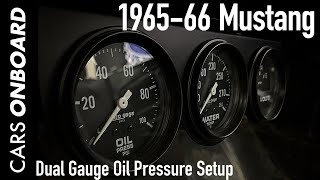
🎬 Watch: Troubleshooting low oil pressure on a classic 289 engine.Helpful Videos
Technical Specifications
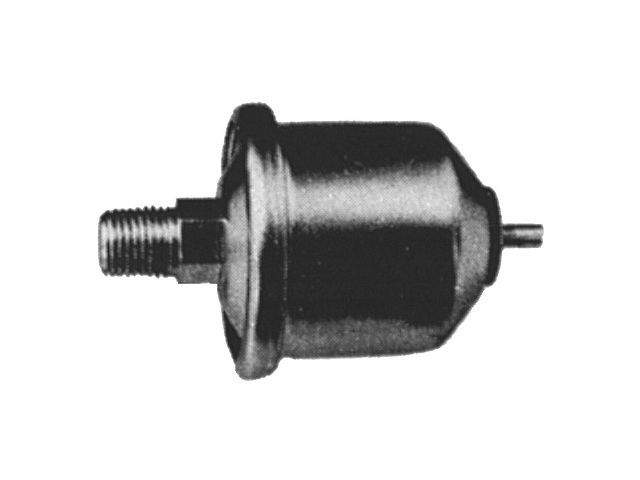
OEM Part Numbers: D4AZ-9278-A E4ZZ-9278-A SW-1311 SW-1547-B
Thread Size: 1/4"-18 NPT. Connector Type: Varies by year/model, typically a stud or spade terminal. Function: Operates dashboard warning light (not for gauges).
We Have This Part in Stock


The information in this article is provided for general reference and educational purposes only. Vehicle specifications, procedures, and part compatibility can vary by production date, trim level, and region. Always consult your vehicle's factory service manual and verify part numbers before purchasing or performing repairs. Safety-critical components such as airbags, seat belts, and braking systems should be installed by a qualified professional.
- 🎬 Helpful Videos
- 🛍️ Shop This Part
- Is Your Oil Light Lying to You?
- Symptoms of a Failing Oil Pressure Switch
- Warning: Switch vs. Sender
- Choosing the Right Aftermarket Switch
- Pro Tip: Check Your Connector
- Cost of a New Engine Oil Pressure Switch (1964-1972 Mustang)
- Frequently Asked Questions
- 🎟️ Get 5% Off