

Engine Water Pump Guide for the 1964-1973 Buick Skylark
Keep your classic Skylark's engine cool by understanding its water pump needs.
- Verify your exact engine (V6, 300, 350, 455, etc.) and year before ordering to ensure you get the correct pump body.
- Check for failure by looking for leaks from the weep hole and physically checking the fan pulley for any wobble.
- Choose a reliable aftermarket brand like GMB or Gates for standard replacement; consider a high-flow pump from Proform if you have cooling issues at idle.
- Replacing coolant hoses and belts at the same time is a smart and cost-effective practice.
Is Your Skylark's Water Pump Failing?
A water pump failure in a classic car like the Buick Skylark can be serious. Recognizing the signs early can save you from a blown head gasket or a cracked block. Look out for these common symptoms:
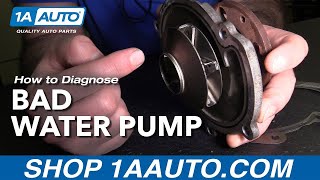
- Coolant Leaks: This is the most common sign. You may see puddles of green, orange, or red fluid under the front-center of your engine. The pump has a "weep hole" on its underside; when the internal seal fails, coolant drips from this hole by design to indicate a problem.
- Engine Overheating: If your temperature gauge climbs into the red, especially while idling in traffic, the pump may not be circulating coolant effectively. You might also see steam coming from under the hood.
- Grinding or Whining Noise: A high-pitched whining or a rough, grinding sound from the front of the engine can signal a failing bearing inside the water pump. This is often caused by a loose belt or a worn-out bearing in the pump's pulley.
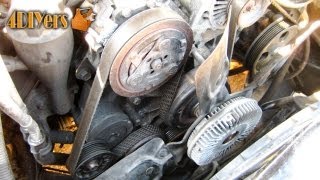
- Wobbly Fan Pulley: If you can grab the engine fan (with the engine OFF) and wiggle it back and forth, the bearing inside the water pump is worn out. Any play or wobble means the pump needs immediate replacement.
A Note on OEM vs. Aftermarket
For a 1964-1973 vehicle, new original equipment manufacturer (OEM) parts are generally not available from dealers. The market consists of New Old Stock (NOS) parts, which are rare and expensive, remanufactured units, and new aftermarket parts. For a wear-and-tear item like a water pump, a quality new aftermarket part is the most practical and reliable choice. High-flow aftermarket pumps can even offer better cooling performance than the original factory design.
Choosing the Right Aftermarket Water Pump
Not all aftermarket pumps are created equal. Based on owner experiences and brand reputation, here is a breakdown of available brands:
- High-Performance (Proform): Brands like Proform offer high-flow water pumps, often made from lightweight aluminum. They are designed to circulate more coolant at lower engine speeds, which can help with overheating issues during idle. These are a good upgrade for modified engines or cars that struggle in hot weather.
- Standard Replacement (Gates, GMB, Dayco): Gates, GMB, and Dayco are well-known aftermarket manufacturers that provide reliable, OE-equivalent quality. GMB is often highlighted for its good balance of quality and price. Gates and Dayco are trusted names, though it's always wise to inspect any part for quality before installation.
- Budget / Use with Caution (US Motor Works): While attractively priced, owner reviews for US Motor Works pumps across various forums frequently mention issues with casting quality, incorrect fitment, and premature failures. Given the critical role of the water pump, saving a few dollars here could lead to much costlier engine repairs later.
Common Ordering Mistake: Know Your Engine and Year!
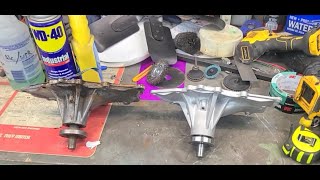
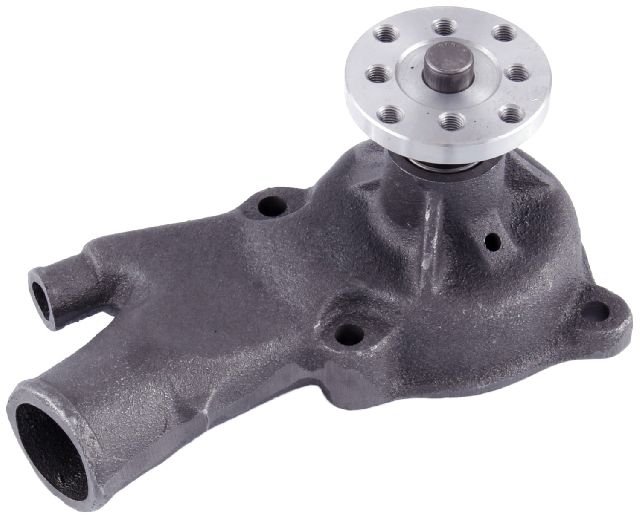
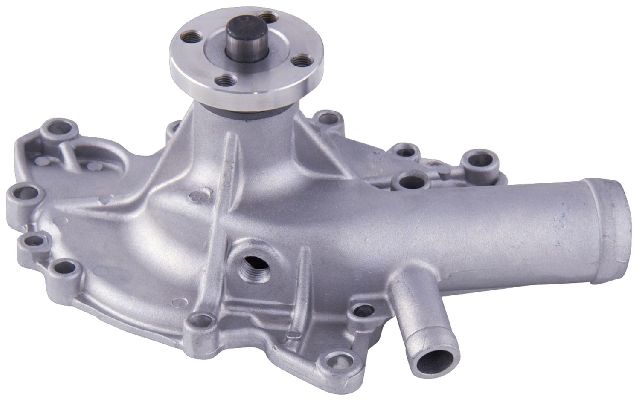
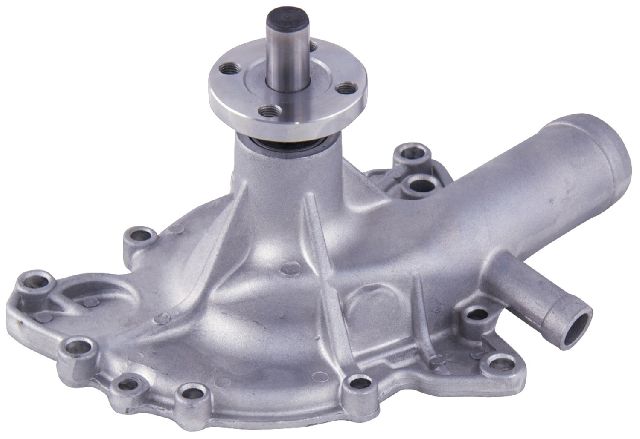
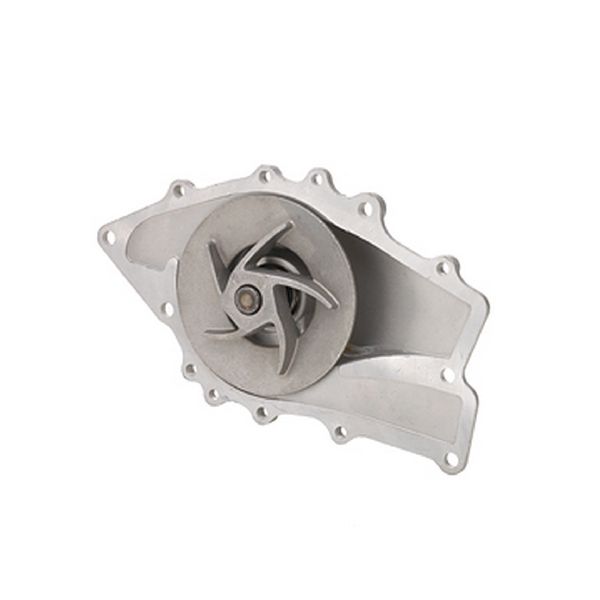
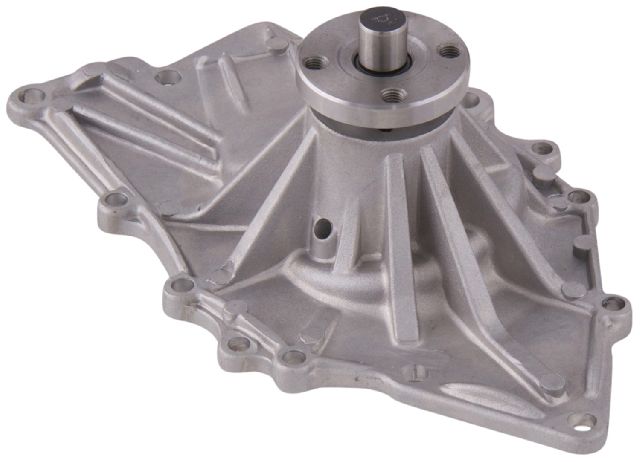
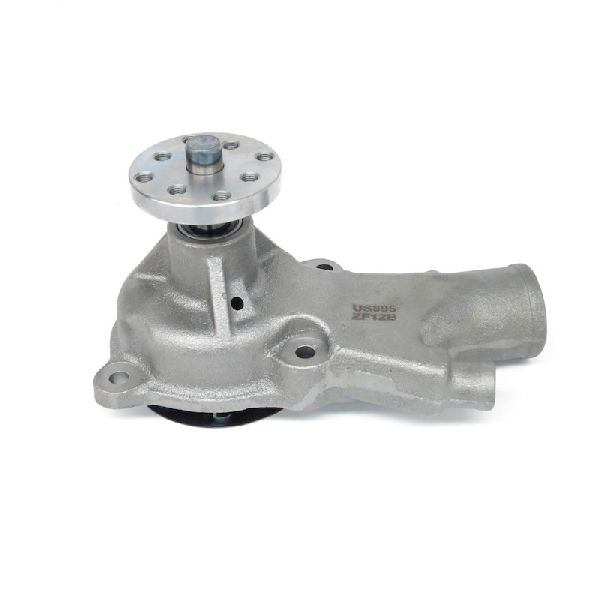
The single biggest mistake when ordering a water pump for a 1964-1973 Skylark is getting the wrong one for your specific engine and year. Buick used different water pumps on its various engines (225 V6, 300, 340, 350, 400, 455 V8s). For example, there are different pumps for a 1970 350 V8 and a 1971 350 V8. Key differences include "short body" and "long body" designs, which affect pulley alignment. Always double-check your engine size and year, and compare the old pump to the new one before starting the installation.
Estimated Replacement Costs
| Part Type | Estimated Cost |
|---|---|
| New Aftermarket Water Pump | $46.88 - $87.45 |
| High-Performance Aftermarket Pump | $150 - $300+ |
| Shop Labor | $200 - $400 |
| Total Professional Replacement | $250 - $490+ |
Frequently Asked Questions
Can I replace the water pump myself?
Yes, for someone with moderate mechanical skill, this is a very feasible DIY job. The water pump is located at the front of the engine and is accessible. The main challenges are dealing with old, potentially rusted bolts that can break, and properly cleaning the gasket surfaces. You will need basic hand tools, a torque wrench, a drain pan, and gasket scraper.
What else should I replace with the water pump?
It is highly recommended to replace the coolant hoses (upper and lower radiator hoses, heater hoses) if they are old, brittle, or swollen. Also, inspect the fan belts for cracks and wear. Since you have to drain the coolant for the job, it's the perfect time to flush the system and refill with fresh coolant.
What kind of coolant should I use?
For a classic car like the 1964-1973 Skylark, a traditional IAT (Inorganic Additive Technology) coolant, often referred to as "conventional green," is the correct choice. Do not use modern OAT (Organic Acid Technology) coolants like Dex-Cool (orange/pink) as they can be incompatible with the solder and metals used in the original radiator and engine components.
Does the impeller material (cast iron vs. aluminum) matter?
Original pumps used cast iron impellers. Many aftermarket pumps, especially high-flow models, use stamped steel or billet aluminum impellers. The key to good performance is not just the material, but the design of the vanes and the clearance between the impeller and the housing. A well-designed aluminum impeller can offer superior flow.
Helpful Videos

Technical Specifications
OEM Part Numbers: 1374877 1241336 1363989
Varies by engine and year. The most critical specification is the pump body length ('short' vs. 'long' or 'medium') which determines pulley alignment. For example, 1964-1970 350 engines typically use a 'short body' pump. Always visually match the new pump to the old one.
We Have This Part in Stock

The information in this article is provided for general reference and educational purposes only. Vehicle specifications, procedures, and part compatibility can vary by production date, trim level, and region. Always consult your vehicle's factory service manual and verify part numbers before purchasing or performing repairs. Safety-critical components such as airbags, seat belts, and braking systems should be installed by a qualified professional.