

A Guide to Spark Plug Wire Sets for the 1964-1973 Chevrolet Chevelle
Choosing the right spark plug wires is critical for keeping your classic Chevelle's engine running smoothly and reliably.
- Replacing spark plug wires is a simple, effective way to fix rough idle, misfires, and power loss on your Chevelle.
- For engines with headers, choose wires with high-temp silicone or ceramic boots to prevent melting.
- Always replace wires as a complete set, not individually, to ensure consistent performance.
- An 8mm or 8.5mm spiral core wire from a brand like ACDelco, Taylor, or MSD is a significant upgrade over original-style wires for most street applications.
Symptoms of Failing Spark Plug Wires
Old or damaged spark plug wires can cause noticeable problems with your Chevelle's performance. Because these classic cars provide direct feedback, you'll often feel and hear when something is wrong. Look out for these common signs:
- Rough Idle: The engine may shake or vibrate more than usual when stopped. This happens because inconsistent spark delivery causes uneven combustion in the cylinders.
- Engine Misfires: You might feel a stutter or hesitation from the engine, especially when accelerating. A misfire means one or more cylinders aren't firing correctly.
- Difficulty Starting: Weak spark from bad wires can make the engine harder to turn over and start.
- Poor Acceleration and Power Loss: If the engine can't burn fuel efficiently, it won't produce full power. This can make the car feel sluggish.
- Visible Damage: Inspect the wires for cracks, burns, or melting on the outer insulation. Damage often occurs where wires touch hot engine parts.
No Recalls or TSBs Found
Our search of the NHTSA database and other technical resources found no active recalls or technical service bulletins (TSBs) specifically for spark plug wires on the 1964-1973 Chevrolet Chevelle. Any issues are typically due to age, wear, and tear.
Choosing the Right Aftermarket Spark Plug Wires
For a classic like the Chevelle, you have many aftermarket options that often outperform the original 1960s technology. The original wires were typically 7mm carbon core wires designed to suppress radio noise. Modern wires offer better durability and electrical performance.
Key Considerations:
- Core Type: Most aftermarket wires for street use are spiral core. They have low resistance for a strong spark but still suppress the radio frequency interference (RFI) that can cause static in your radio. Solid core wires are for racing only and should not be used on a street-driven car.
- Diameter: Wires come in various diameters like 7mm, 8mm, 8.5mm, and larger. A thicker wire provides better insulation, protecting against heat and preventing voltage from arcing to the engine block. For most Chevelles, an 8mm or 8.5mm wire is a good upgrade.
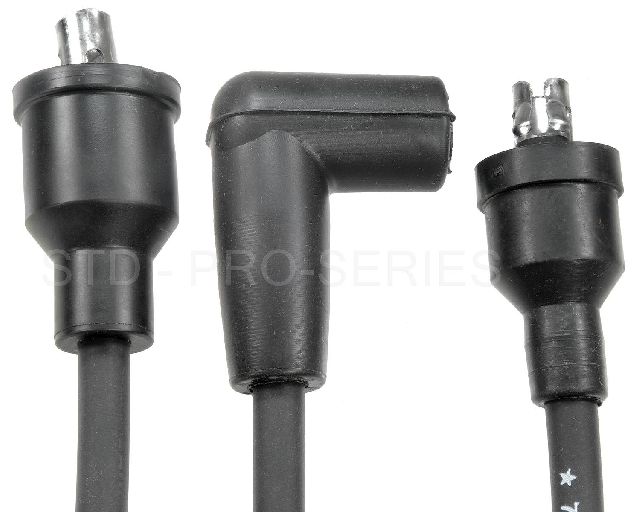
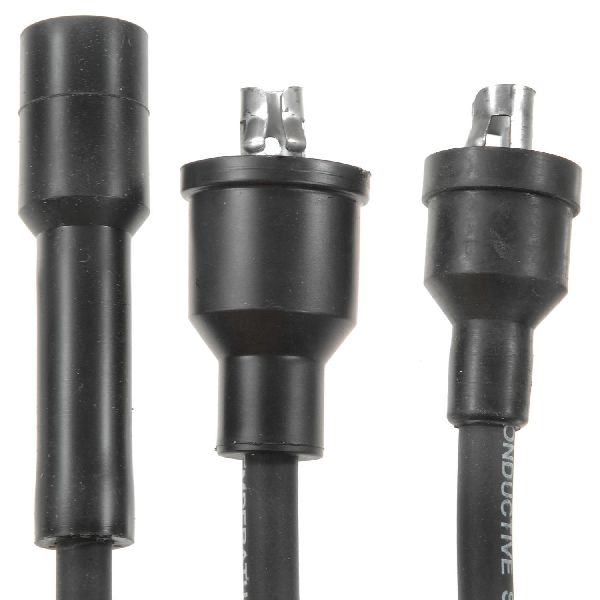
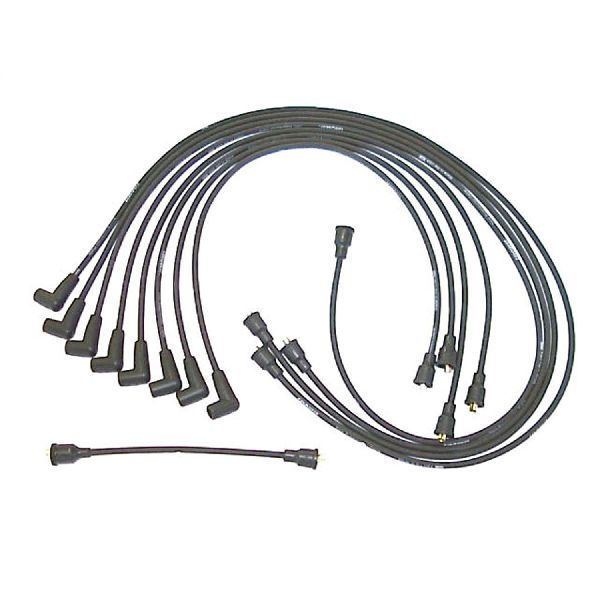
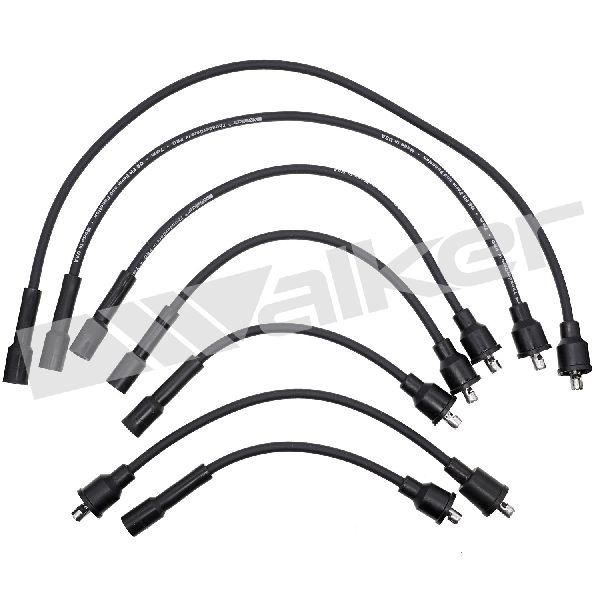
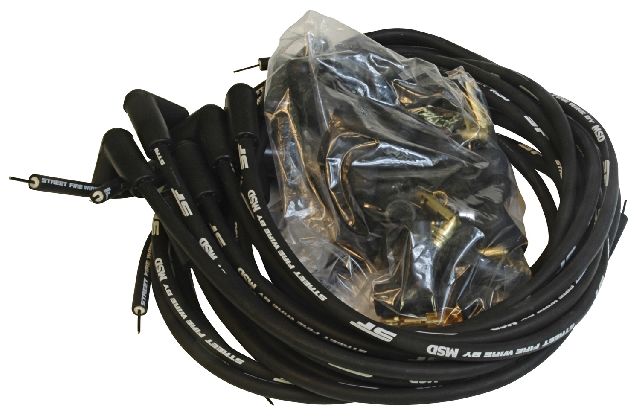
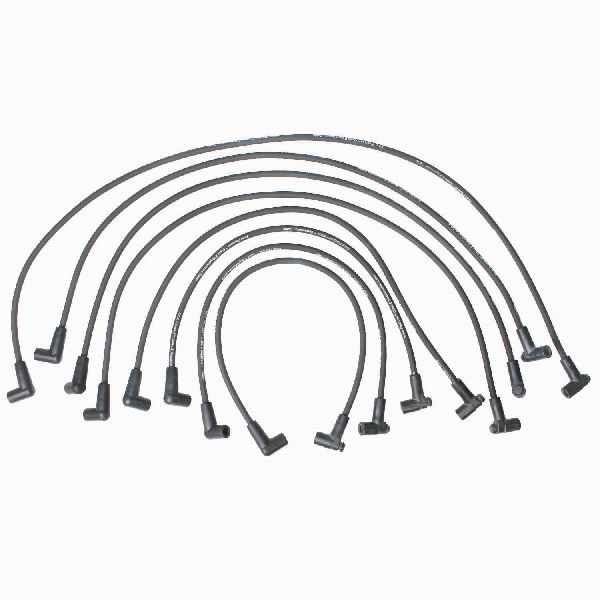
- Boot Angle: The boots at the end of the wires connect to the spark plugs and distributor cap. Chevelles used a mix of straight, 90-degree, and 135-degree boots depending on the engine and year. It's crucial to get a set with the correct boots for your specific engine to ensure proper clearance from exhaust manifolds.
- Material: Look for wires with a high-temperature silicone jacket. This material resists heat, oil, and abrasion much better than the original materials.
Brand Tiers for Your Chevelle
Your choice of brand depends on your car's use and your budget.
| Tier | Brands | Best For | Typical Cost |
|---|---|---|---|
| Good (Daily Driver/Standard Replacement) | ACDelco, Standard Motor Products, Denso, NGK, Walker Products | Stock or mildly modified Chevelles for regular driving. These offer reliable performance and a factory-like fit. | $25 - $60 |
| Better (Performance Street) | Taylor Cable, Pertronix, Accel, FAST | Modified engines with aftermarket ignition systems or headers. These offer lower resistance and better heat protection. | $60 - $120 |
| Best (High-Performance/Show Car) | MSD, Edelbrock, Accel (Ceramic Boot) | Highly modified engines, racing applications, or where maximum performance and heat resistance are needed. MSD is a very popular choice for performance builds. | $120 - $255 |
Pro Tip: Universal vs. Custom-Fit
You can buy wire sets that are "custom-fit" and pre-cut for your Chevelle's engine, or a "universal" kit where you cut the wires to length and attach the distributor cap terminals yourself. Custom-fit sets are easier and faster to install. Universal kits are great for custom engine bays where you need to route wires in a specific way.
Frequently Asked Questions
Do I need special wires if I have headers?
Yes. Headers generate much more heat close to the spark plugs than stock exhaust manifolds. It is highly recommended to use wires with high-temperature silicone boots or even ceramic boots to prevent them from melting. You may also need wires with angled boots to get enough clearance.
What's the difference between 7mm, 8mm, and 8.5mm wires?
The measurement refers to the outside diameter of the wire. A larger diameter means more insulation around the conductive core. This provides better protection against heat and voltage leaks (arcing), which is beneficial for higher-output ignition systems and tight engine bays.
How do I know if I have a small block or big block V8?
In Chevelles from this era, common small block engines include the 283, 307, 327, and 350. Common big block engines are the 396, 402, 427, and 454. Big block engines are physically larger, with wider valve covers that are not perfectly rectangular. If you are unsure, checking the engine code or consulting a Chevelle-specific resource can confirm your engine type, which is critical for ordering the correct wire set.
Can I replace just one bad wire?
It is always recommended to replace spark plug wires as a complete set. Wires degrade over time from heat and use, so if one has failed, the others are likely not far behind. Replacing them all at once ensures consistent performance and resistance across all cylinders.
How often should I replace my spark plug wires?
For a classic car that may not be driven daily, there is no strict mileage interval. A good rule is to inspect them every couple of years and replace them if you see any signs of wear, cracking, or brittleness, or if you experience any performance symptoms. Many owners replace them every 5-10 years as preventative maintenance.
Technical Specifications
Engine-specific fitment (I6, Small Block V8, Big Block V8). Key specifications include wire core type (spiral wound recommended), diameter (7mm-8.5mm+), boot angle (straight, 90°, 135°), and jacket material (silicone recommended).
We Have This Part in Stock

The information in this article is provided for general reference and educational purposes only. Vehicle specifications, procedures, and part compatibility can vary by production date, trim level, and region. Always consult your vehicle's factory service manual and verify part numbers before purchasing or performing repairs. Safety-critical components such as airbags, seat belts, and braking systems should be installed by a qualified professional.