

1964-1973 Oldsmobile Cutlass Parking Brake Cable Replacement Guide
Keep your classic Cutlass secure by understanding how to choose and replace your parking brake cables.
- Verify your Cutlass's transmission type and wheelbase before ordering to ensure you get the correct length cables.
- It is best practice to replace the front, intermediate, and both rear cables at the same time for balanced and reliable performance.
- Symptoms like a loose pedal, dragging rear brakes, or the car rolling when parked are clear signs that your cables need immediate inspection.
- Proper adjustment after installation is critical for the parking brake to function correctly.
Symptoms of a Failing Parking Brake Cable
Because these cables live under the car, they are exposed to decades of moisture and road debris. Rust and stretching are the most common reasons for failure. If your Cutlass exhibits any of these signs, it's time to inspect your parking brake cables.
- Loose Pedal: The parking brake pedal feels slack, goes to the floor with no resistance, or doesn't spring back up. This often means a cable has stretched or snapped.
- Car Rolls When Parked: You engage the parking brake, but the car still moves. This is a serious safety issue indicating the cables are no longer applying enough force to the brakes.
- Brakes Won't Release: After releasing the pedal, the car feels sluggish or seems to be dragging. A rusted or seized cable can hold the brakes partially on, causing excessive heat and wear on your rear brake components.
- Visible Damage: A quick look under the car may reveal a cable that is visibly frayed, rusted through, or broken.
Choosing the Right Aftermarket Cable
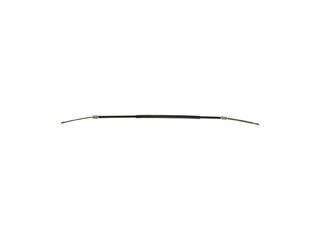
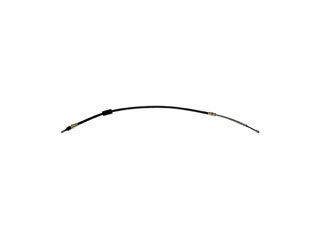
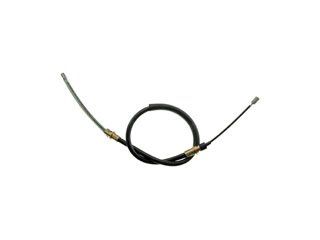
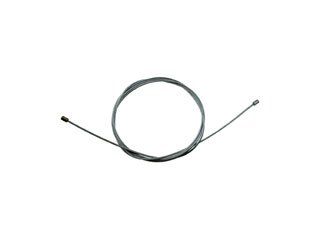
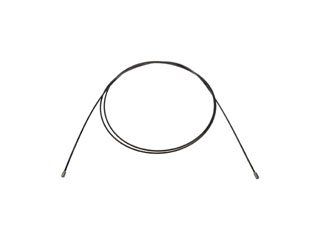
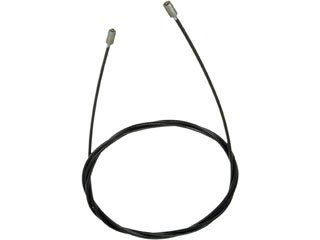
Since Original Equipment Manufacturer (OEM) parts from GM are no longer produced for these classic cars, you will be shopping for aftermarket reproductions. The system is composed of three or four separate parts—a front, an intermediate, and two rear cables—that are usually sold individually. It is highly recommended to replace all cable sections at the same time for reliable operation.
Confirm Your Vehicle Specs!
The most common ordering mistake is buying the wrong length cable. For 1964-1973 Cutlass models, the front and intermediate cable lengths vary depending on your car's wheelbase and which transmission it has (e.g., TH350, TH400, or manual). Always verify these details before purchasing.
Brand Quality Tiers
For a part this important, quality and fitment matter more than a small price difference.
- Tier 1: Reputable Aftermarket Brands (Raybestos): Raybestos is a well-known name in the brake industry. While specific reviews for Cutlass cables are scarce, the brand's general reputation for quality makes it a solid choice. These parts are engineered to meet or exceed original specifications.
- Tier 2: Broad-Range Aftermarket (Dorman): Dorman offers a vast catalog of reproduction parts. However, owner experiences are mixed; some report perfect fitment while others have had issues with durability or incorrect dimensions for various parts. They can be a viable option, but inspect the part carefully upon arrival.
- Tier 3: Value Brands (Replacement): These are often private-label or unbranded parts that prioritize low cost. While tempting, they can be a gamble regarding fit, finish, and the quality of the steel and sheathing. For a safety component like a parking brake cable, a few extra dollars for a known brand is a worthwhile investment.
| Part/Service | Estimated Cost |
|---|---|
| New Aftermarket Cables (Per Section) | $25 - $75 |
| Shop Labor for Complete System Replacement | $150 - $300 |
Frequently Asked Questions
Do I have to replace all the cables at once?
It is strongly recommended. The cables are all the same age and have been exposed to the same conditions. If one has failed from rust or stretching, the others are likely weak as well. Replacing them all at once ensures a balanced, reliable system and prevents you from having to do the job again in a few months.
What is the difference between the front, intermediate, and rear cables?
The front cable connects to your pedal assembly and runs back through the frame. The intermediate cable connects to the front cable and loops around a crossmember to an equalizer, which splits the force. The two rear cables connect from the equalizer to the left and right rear wheels. You must purchase the correct cable for each specific position.
How is the parking brake adjusted after installing new cables?
Adjustment is typically done via a threaded rod on the front or intermediate cable where it connects to the equalizer. With the pedal released, you tighten the nut to take up slack until the cables are taut but not engaging the brakes. The goal is for the pedal to feel firm and hold the car securely after just a few inches of travel.
Are there any recalls for the 1964-1973 Cutlass parking brake?
No, there are no active recalls or Technical Service Bulletins (TSBs) from the NHTSA for the mechanical parking brake system on this generation of Oldsmobile Cutlass. Any issues you experience are due to the age and wear of the components.
Technical Specifications
System consists of separate front, intermediate, and rear cables. Cable lengths vary based on transmission (TH350/TH400/Manual) and vehicle wheelbase.
We Have This Part in Stock

The information in this article is provided for general reference and educational purposes only. Vehicle specifications, procedures, and part compatibility can vary by production date, trim level, and region. Always consult your vehicle's factory service manual and verify part numbers before purchasing or performing repairs. Safety-critical components such as airbags, seat belts, and braking systems should be installed by a qualified professional.