

Engine Mount Guide for 1964-1974 Chevrolet Malibu
Keep your classic Malibu's engine secure and running smooth by choosing the right new motor mounts.
- A failed driver-side mount can cause the throttle to stick open, a critical safety issue. Choose modern replacements with a safety interlock design.
- For most owners, heavy-duty rubber mounts (e.g., Lakewood) offer the best blend of performance, safety, and ride comfort.
- Polyurethane mounts (e.g., Energy Suspension) offer the best performance and durability but will increase cabin vibration.
- Always replace engine mounts in pairs to ensure proper engine alignment and prevent future failures.
Signs of a Failing Engine Mount
The original rubber engine mounts on a 1964-1974 Malibu are now decades old and prone to failure. When a mount goes bad, the signs are usually noticeable. You might feel excessive vibrations throughout the car, especially at idle. Loud clunking or banging noises from the engine bay when you accelerate, decelerate, or shift gears are another common symptom. In some cases, you can physically see the engine move or lift excessively if someone revs the engine while the car is in park.
A Critical Safety Issue
A well-known problem on these classic GM A-body cars is a dangerous situation caused by a failed driver-side engine mount. The original mounts could separate, allowing the engine to lift under torque. This movement could cause the throttle linkage to bind, holding the throttle open even after you take your foot off the gas pedal. This could lead to unintended acceleration. Many modern aftermarket mounts feature a safety interlock design to prevent this from happening.
Choosing the Right Aftermarket Engine Mount
Since new original GM mounts are not available, you'll be choosing from aftermarket options. The best choice depends on your car's use and your performance goals.
Standard Replacement (Good)
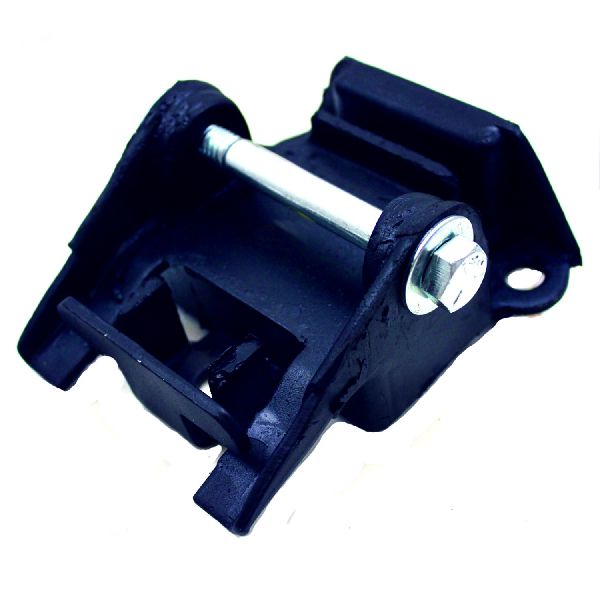
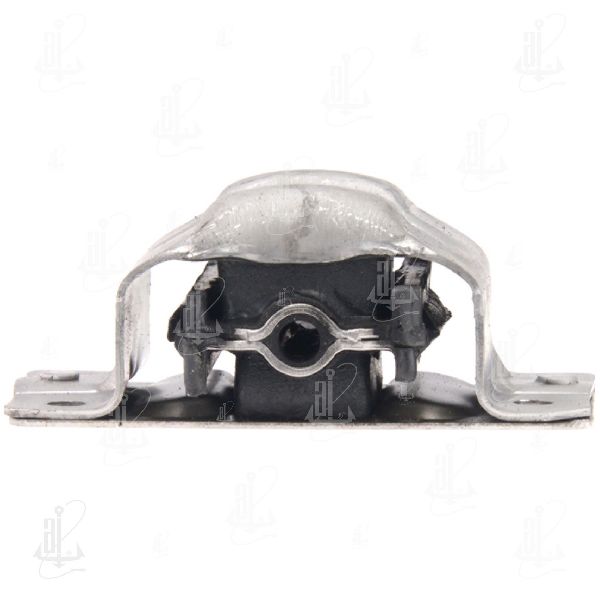
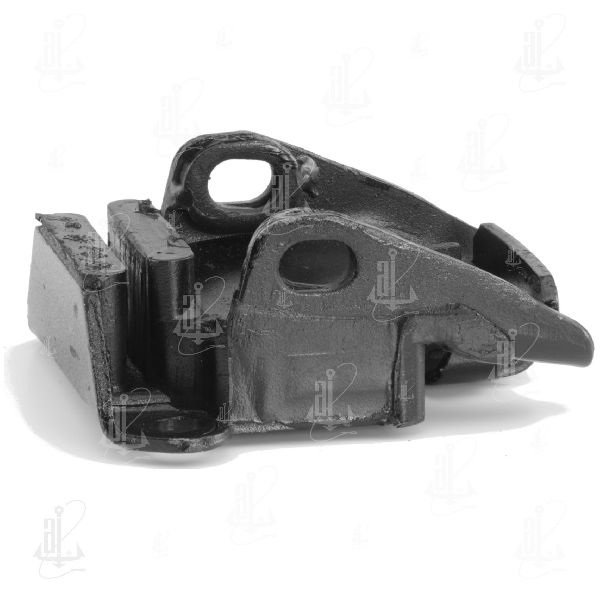
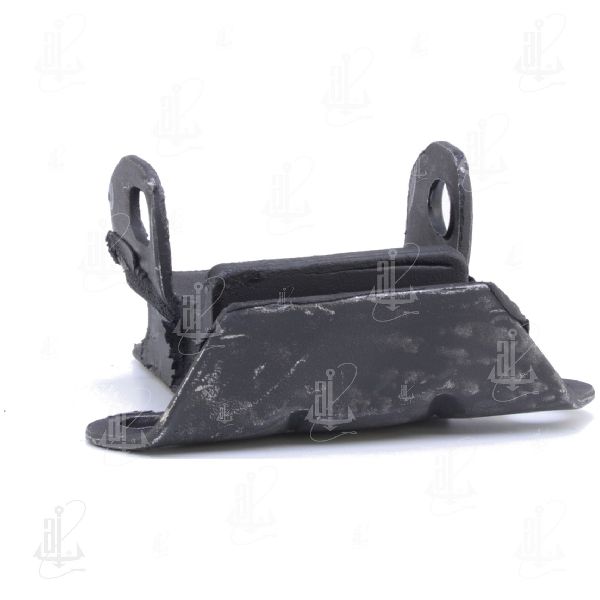
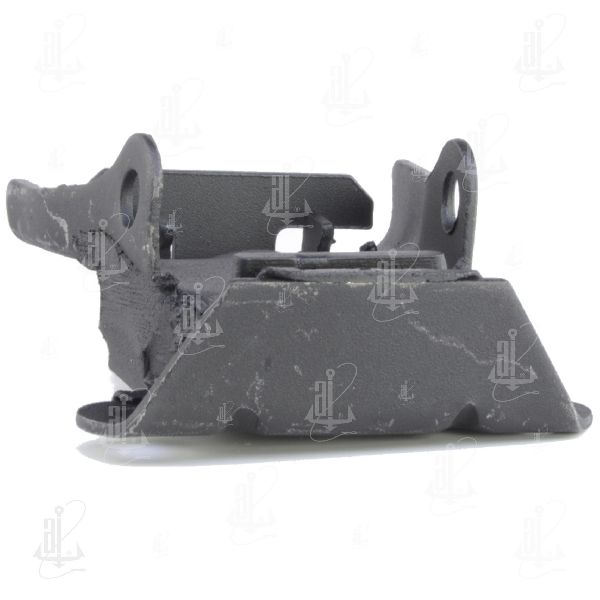
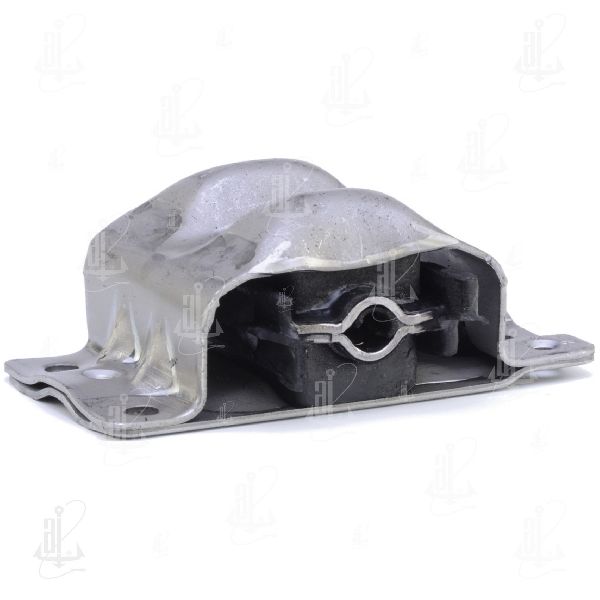
For a daily driver or a stock restoration, standard rubber mounts are a great choice. Brands like Anchor, Westar, and DEA offer affordable, direct-fit replacements. They are designed to mimic the original part's function, providing good vibration absorption for a comfortable ride. These are the most budget-friendly option.
Heavy-Duty & Performance Rubber (Better)
If you have a modified engine or drive more aggressively, consider a heavy-duty rubber mount. Brands like Lakewood offer mounts made with a harder rubber (durometer) and a stronger steel frame. Many of these also feature the crucial safety interlock design that prevents engine lift if the rubber fails. They offer a good balance between performance and ride comfort.
Polyurethane (Best Performance)
For the highest level of performance and durability, polyurethane mounts from brands like Energy Suspension and Whiteline are the top choice. Polyurethane is much stronger than rubber and is resistant to oil and other chemicals that can destroy rubber mounts. These mounts drastically reduce engine movement, sending more power to the wheels. The trade-off is that they transmit more engine vibration into the cabin, which can feel and sound harsher than rubber.
Pro Tip: When replacing engine mounts, it's also a great time to inspect and replace the transmission mount. They are made of similar materials and wear out at a similar rate.
Engine Mount Replacement Cost
The cost for new aftermarket engine mounts for your Malibu is very reasonable. The parts themselves are affordable, and labor is straightforward for a professional mechanic.
| Item | Estimated Cost |
|---|---|
| Aftermarket Engine Mounts (Pair) | $25 - $195 |
| Shop Labor | $150 - $300 |
| Total Estimated Cost | $175 - $495 |
Frequently Asked Questions
Can I replace just one broken engine mount?
It is highly recommended to replace engine mounts in pairs. They wear at a similar rate, so if one has failed, the other is likely weak and will fail soon. Replacing both ensures proper engine alignment and stability.
What is a safety interlock or locking mount?
A safety interlock mount is a design that mechanically captures the engine bolt even if the rubber part of the mount fails. This prevents the engine from lifting dangerously, which was a known issue on original 1960s GM mounts. It's a highly recommended feature for any classic Malibu.
Are polyurethane mounts too harsh for a street car?
This depends on your tolerance. Polyurethane mounts will noticeably increase the vibration you feel inside the car, especially at idle. While some drivers don't mind it and enjoy the performance benefit, others find it too harsh for a comfortable cruiser. If ride comfort is your top priority, a heavy-duty rubber mount is a better compromise.
Do I need special mounts for a Big Block engine swap?
Yes, if you are swapping from a Small Block Chevy (SBC) to a Big Block Chevy (BBC), you will need a specific conversion kit. This often includes different frame brackets in addition to the engine mounts to ensure proper fitment and alignment.
Technical Specifications
The 1964-1974 Malibu uses a two-bolt or three-bolt style engine mount, depending on the year and engine. Some early years may require specific frame brackets for use with modern replacement mounts. Performance mounts are available in standard rubber, heavy-duty rubber, and polyurethane.
We Have This Part in Stock

The information in this article is provided for general reference and educational purposes only. Vehicle specifications, procedures, and part compatibility can vary by production date, trim level, and region. Always consult your vehicle's factory service manual and verify part numbers before purchasing or performing repairs. Safety-critical components such as airbags, seat belts, and braking systems should be installed by a qualified professional.