

A Practical Guide to the 1964-1974 Ford Mustang Automatic Transmission Mount
Eliminate clunks and vibrations by choosing the right transmission mount for your classic Mustang.
- Symptoms of failure are hard to ignore: loud clunks, cabin vibrations, and visible engine movement.
- You must choose between a quiet rubber mount (like original) or a durable, performance-oriented polyurethane mount that adds vibration.
- For this classic car, aftermarket is the primary option; brands like Anchor and DEA are standard replacements, while Prothane is a performance upgrade.
- Replacement is a simple, one-hour DIY job for most home mechanics with a jack and basic tools.
Is Your Mustang's Transmission Mount Failing?
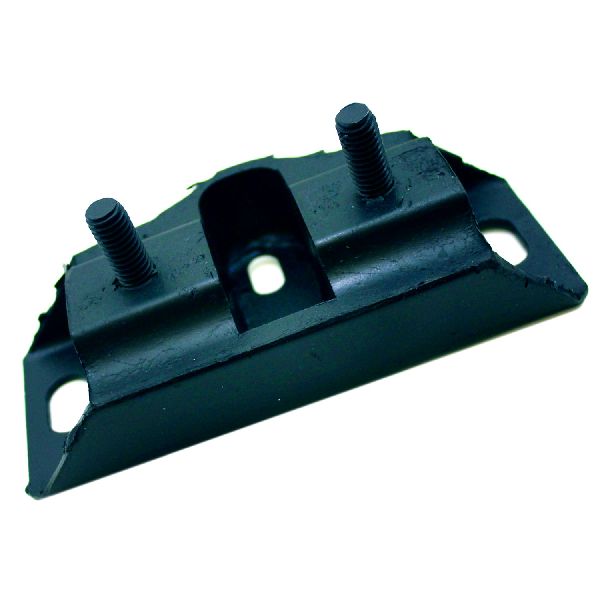
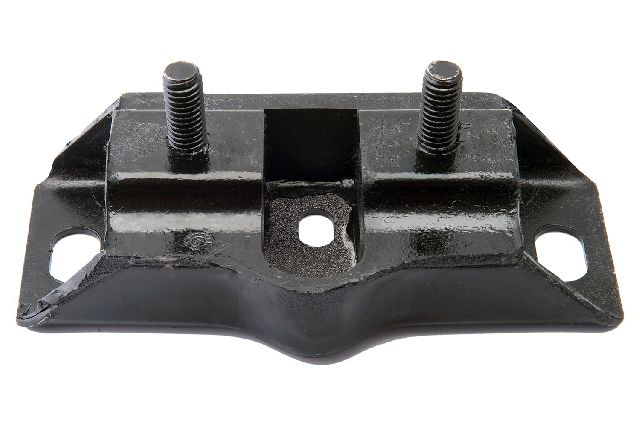
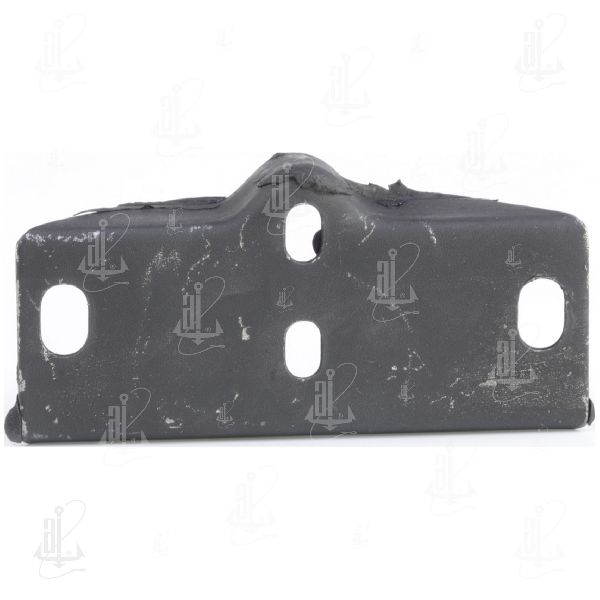
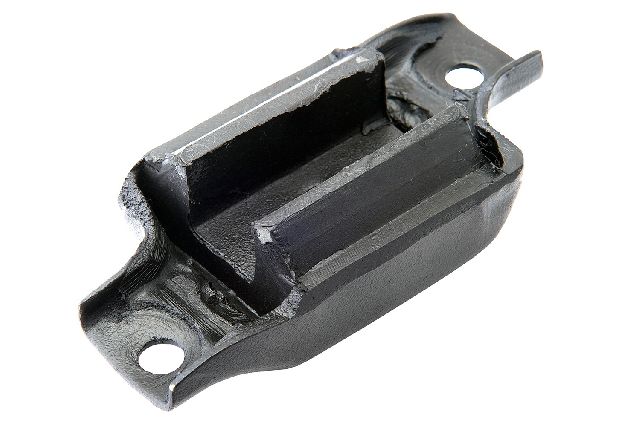
The transmission mount on a first-generation Mustang is a simple but essential part. It's a block of rubber or polyurethane bonded to metal plates that bolts between the transmission tailshaft and the crossmember. Over decades, the original rubber can crack, get soaked with oil, and collapse. When it fails, you'll know it. The signs are hard to miss.
Common symptoms of a bad transmission mount include:
- Clunking or Banging Noises: You may hear a distinct "clunk" when you shift from park into drive or reverse, or during hard acceleration. This is the sound of the transmission moving excessively and hitting other parts.
- Excessive Vibrations: If the rubber has hardened or collapsed, it can no longer absorb drivetrain vibrations. You'll feel this in the floor, the seat, and through the shifter.
- Visible Movement: A mechanic can often see the engine and transmission lift or rock excessively when revving the engine with the brakes applied. This is a clear sign the mount is no longer holding things securely.
Choosing Your New Mount: Rubber vs. Polyurethane
For the 1964-1974 Mustang, you have one main choice to make: stick with a standard rubber mount or upgrade to polyurethane. This decision depends entirely on your goals for the car.
| Material | Best For | Pros | Cons |
|---|---|---|---|
| Rubber (Anchor, DEA, Westar) |
Stock restorations, daily drivers, comfort | Absorbs vibration well for a smooth, quiet ride like the original. Low cost. | Not as durable as polyurethane; can degrade from oil and heat. Not ideal for high-performance use. |
| Polyurethane (Prothane) |
Performance driving, modified cars | Extremely durable and resistant to oil and chemicals. Reduces drivetrain flex for better throttle response. | Transmits more noise, vibration, and harshness (NVH) into the cabin. It's a stiffer material, so you feel more of the car's mechanical workings. |
Brand Tiers: What to Expect
Not all aftermarket parts are created equal. Here’s an honest look at the brands available.
- Standard Replacement (Anchor, DEA, Westar, Pioneer): These brands offer affordable, standard rubber mounts that aim to replicate the original part's function. They are a good choice for a stock vehicle where comfort is the priority. Forum discussions show mixed reviews on long-term quality compared to original parts, with some users experiencing early failures or fitment issues. However, for a budget-friendly fix to get your car back to its original feel, they are a viable option.
- Performance Upgrade (Prothane): Prothane specializes in polyurethane parts. Their mounts are considered a performance upgrade designed to handle more power and abuse than rubber. Owners who use Prothane report a much more connected feel to the drivetrain but almost always mention the increase in cabin vibration. Choose this if you value performance and durability over a quiet, comfortable ride.
Known Issues, Recalls, or TSBs
For a vehicle of this age, there are no active recalls or specific Technical Service Bulletins (TSBs) from Ford regarding the automatic transmission mount itself. Any recalls or TSBs found for Ford Mustangs relate to much newer models and different transmission components. Failure is typically due to age, wear, and exposure to oil and heat over many decades.
Frequently Asked Questions (FAQ)
Is replacing a transmission mount a good DIY job?
Yes, for most home mechanics with a good set of tools, this is a straightforward job. It involves safely supporting the transmission with a jack, unbolting the mount from the crossmember, and installing the new part. The entire process can often be done in about an hour.
What's the main difference between a rubber and polyurethane mount?
Rubber is soft and absorbs vibrations for a comfortable ride, which is how the car came from the factory. Polyurethane is a much stiffer and more durable plastic that doesn't absorb as much vibration but provides better performance by preventing the transmission from moving under load. This results in more power getting to the wheels, but also more noise and vibration inside the car.
If I replace my transmission mount, should I replace my engine mounts too?
It's a very good idea. The engine and transmission mounts work together to support the entire drivetrain. If the transmission mount has failed, the engine mounts are likely in similar condition due to their age and the extra stress they've endured. Replacing them all at once ensures the entire system is stable and properly aligned.
Will a new mount fix my transmission shifting problems?
Sometimes, yes. A badly worn mount can cause the transmission to be misaligned, which can affect shift linkage and cause difficulty shifting or popping out of gear. If you are experiencing these issues along with clunks and vibrations, a new mount may solve the problem. However, it will not fix internal transmission problems.
Technical Specifications
OEM Part Numbers: C4DZ-6068-B C5ZZ-6068-C
The primary specification is the material: Styrene Butadiene Rubber (SBR) for standard mounts or Polyurethane for performance mounts. The bolt center-to-center measurement is typically 2-3/4 inches.
We Have This Part in Stock


The information in this article is provided for general reference and educational purposes only. Vehicle specifications, procedures, and part compatibility can vary by production date, trim level, and region. Always consult your vehicle's factory service manual and verify part numbers before purchasing or performing repairs. Safety-critical components such as airbags, seat belts, and braking systems should be installed by a qualified professional.