

Ford Mustang Ignition Coil Guide: 1964-1974
Everything you need to know about choosing the right ignition coil for your classic Mustang.
- Symptoms like stalling when hot, misfiring, and hard starts are common for a failing coil in a classic Mustang.
- Replacement is very simple and can be done in under 30 minutes, making it an excellent DIY task.
- For stock systems, ensure your new coil is compatible with the factory ballast resistor.
- Brands like Standard Ignition offer reliable stock replacements, while Accel and MSD provide popular performance upgrades.
Symptoms of a Failing Ignition Coil in a Classic Mustang
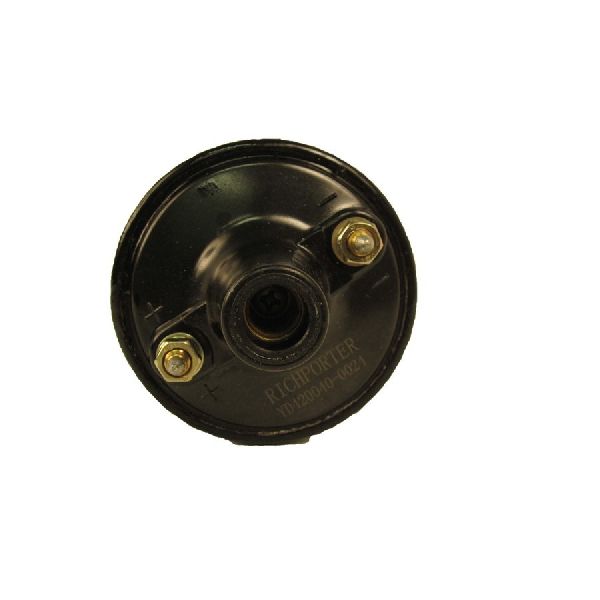
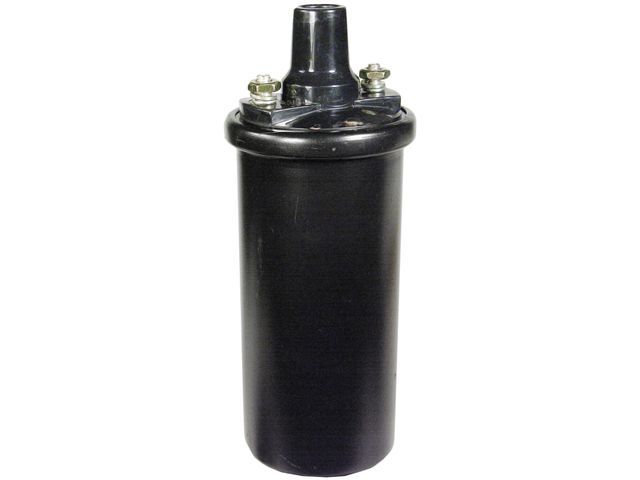
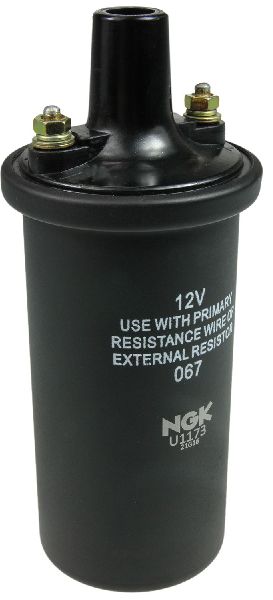
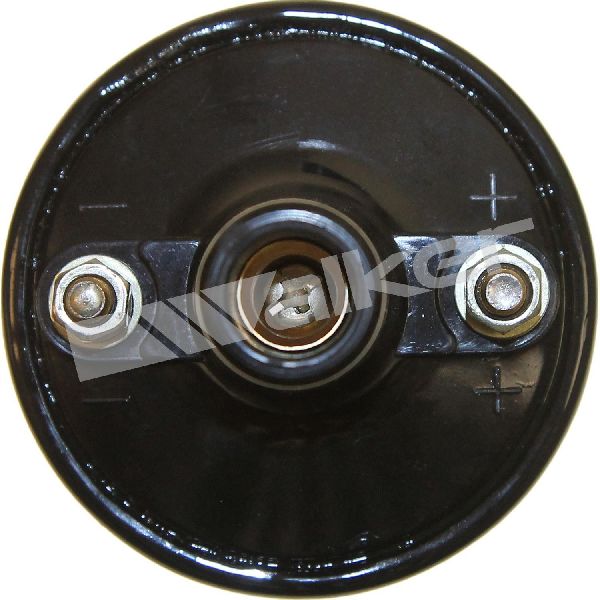
The ignition coil on a 1964-1974 Mustang is a canister-style, oil-filled component. Over time, heat and vibration cause the internal windings to break down or the oil to degrade, leading to failure. Watch for these common signs:
- Engine Misfires or Runs Rough: A weak or inconsistent spark can cause the engine to sputter, shake, or run poorly, especially as it warms up.
- Hard Starting or No Start: The engine may crank but struggle to fire up, or it might not start at all. This can happen because the coil isn't producing enough voltage to create a spark. A common failure scenario is the car starting when cold but dying once it reaches operating temperature.
- Stalling: The engine may stall unexpectedly, especially after it has been running for a while and the coil gets hot.
- Loss of Power: You might notice your Mustang feels sluggish and lacks acceleration.
- Engine dies when key is released from 'Start' to 'Run': This specific issue often points to a break in the pink resistance wire that feeds the coil, not necessarily the coil itself.
A Note on the Ignition System
Most 1964-1974 Mustangs use a points-based ignition system with an external ballast resistor or a resistance wire. The coil is designed to run on about 9 volts, but it receives a full 12 volts during starting for a hotter spark. When troubleshooting, it's wise to inspect the points, condenser, and ballast resistor as well, as they can cause similar symptoms.
Choosing an Aftermarket Ignition Coil
For a vehicle of this age, "OEM" parts are not readily available from Ford. Aftermarket parts are the standard. The good news is that many aftermarket brands offer excellent quality, from direct replacements to high-performance upgrades.
Brand Tiers for Your Mustang
We can group the available brands into three general tiers based on their reputation and intended use:
Tier 1: Standard Replacement
These brands offer reliable, direct-fit replacements that meet or exceed original specifications. They are perfect for a daily driver or a stock restoration.
- Standard Ignition (SMP): A highly respected brand known for quality components that perform reliably.
- NGK: While famous for spark plugs, NGK also produces high-quality ignition components engineered to prevent common failure points.
- ACDelco: A well-known and trusted brand offering dependable replacement parts.
- Spectra, WAI Global, Walker Products: These brands provide affordable and functional replacements for standard applications.
Tier 2: Performance & Heavy-Duty
These brands are for owners looking for a hotter spark, improved performance, and enhanced durability. They are great for modified engines or for those who want extra reliability.
- Accel: A legendary name in performance ignition. Accel coils are known to provide a stronger spark than stock, potentially improving performance and throttle response. They offer various models, including stock-look yellow top coils.
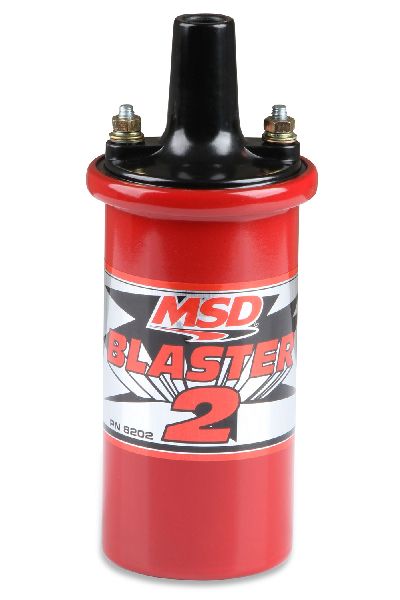
- MSD (Holley): Another top-tier performance brand. MSD's Blaster series coils are very popular for classic cars, delivering high voltage (up to 45,000 volts) for a powerful spark. They are a common upgrade for both stock and modified Mustangs.
Important Note on Performance Coils
When upgrading to a high-voltage coil like one from MSD or Accel, ensure it is compatible with your ignition system (points or electronic). Some high-output coils require you to bypass the factory ballast resistor. Also, oil-filled canister coils like the popular MSD Blaster 2 should be mounted upright to prevent overheating and failure.
| Part Type | Estimated Cost Range |
|---|---|
| New Aftermarket (Standard) | $23.60 - $50.00 |
| New Aftermarket (Performance) | $50.00 - $94.86 |
| Shop Labor for Installation | $50 - $100 |
Frequently Asked Questions
Do I need a special coil for my Mustang?
For most 1964-1973 Mustangs without a factory transistorized ignition, a standard 12-volt canister coil designed for an external resistor will work. If you have upgraded to an electronic ignition system (like a Pertronix), check with the manufacturer for their recommended coil specifications.
What is a ballast resistor and do I need one?
A ballast resistor (or resistance wire) is used in points-style ignition systems to reduce the voltage to the coil after the engine has started. This prevents the coil and points from overheating. If you are using a stock-style coil with a points distributor, you must use the ballast resistor. Some electronic ignition conversions or high-energy coils are designed to work with a full 12 volts and require you to bypass the resistor.
Is it difficult to replace the ignition coil myself?
No, this is a very easy job for a DIY mechanic. It typically involves disconnecting the battery, removing two small electrical nuts and one mounting bracket bolt. The entire process can usually be done in under 30 minutes with basic hand tools.
Are there any recalls for the ignition coil on my classic Mustang?
No. There are no active recalls or Technical Service Bulletins (TSBs) from Ford or the NHTSA for the ignition system on 1964-1974 Ford Mustangs. Any issues you encounter will be due to the age and wear of the components.
Technical Specifications
Most 1964-1974 Mustangs require a 12-volt, canister-style, oil-filled ignition coil designed for use with an external ballast resistor. Performance coils may have different resistance values (e.g., 1.5 Ohm or 0.7 Ohm) and voltage outputs (e.g., 45,000 Volts).
We Have This Part in Stock


The information in this article is provided for general reference and educational purposes only. Vehicle specifications, procedures, and part compatibility can vary by production date, trim level, and region. Always consult your vehicle's factory service manual and verify part numbers before purchasing or performing repairs. Safety-critical components such as airbags, seat belts, and braking systems should be installed by a qualified professional.