

A Guide to Replacing the Starter in Your 1964-1976 Buick Electra
Don't get stranded by a weak or dead starter; here's what you need to know to get your Electra cranking reliably again.
- A common problem specific to these Buicks is 'heat soak', where the starter fails to work when hot but functions again after cooling down.
- Symptoms like a single click, slow cranking, or grinding noises point to a failing starter.
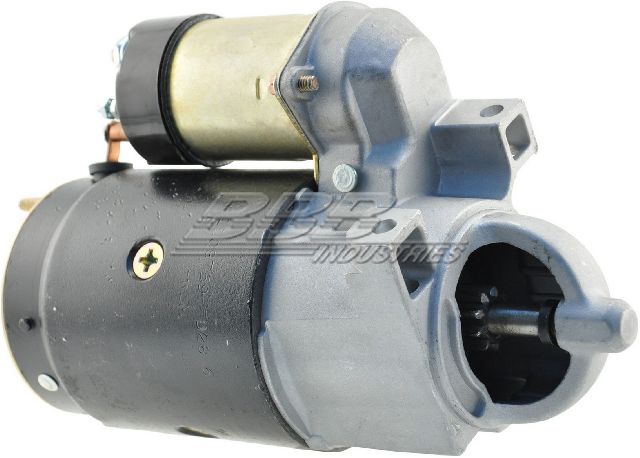
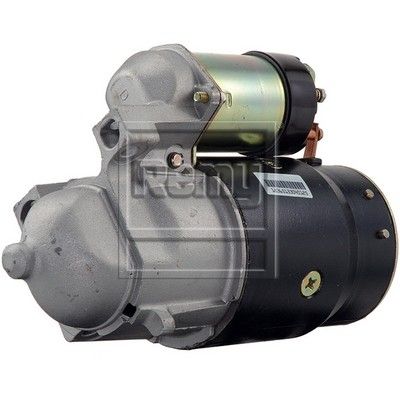
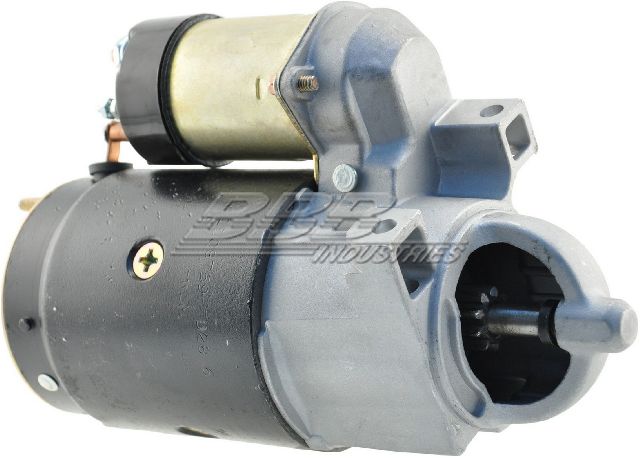
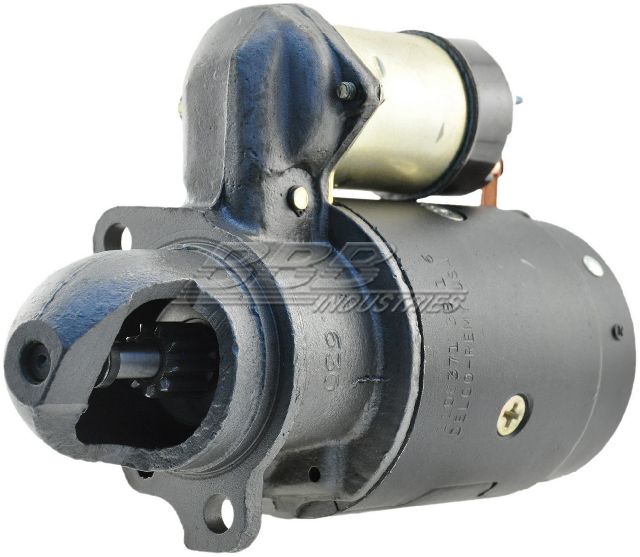
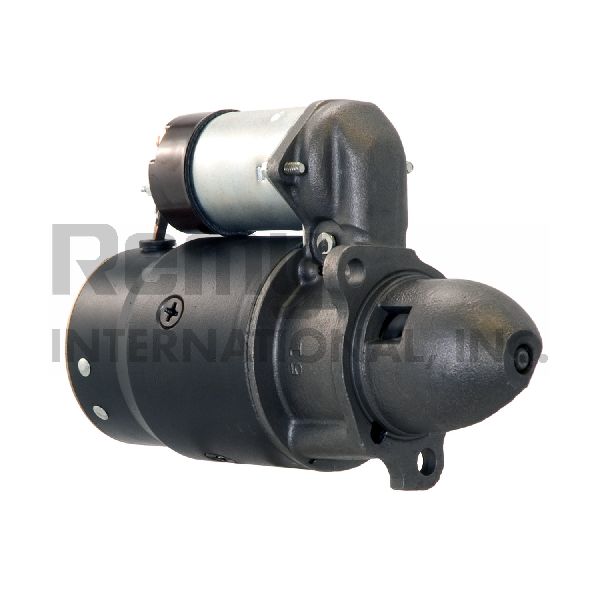
- New OEM starters are not available; your choice is between new aftermarket and remanufactured units from brands like BBB or Remy.
- Replacement is a feasible DIY job for those comfortable working under a car, typically taking 1-2 hours.
Is Your Buick Electra Starter Failing?
A starter motor rarely fails without giving you some warning signs. If your Electra's big V8 engine is slow to turn over or you hear strange noises, it's time to pay attention. Ignoring these symptoms can leave you stranded.
Common Failure Symptoms:
- Single Loud Click: You turn the key and hear one sharp "click" but the engine doesn't crank. This usually means the starter's solenoid is working, but the motor itself is not.
- Slow, Labored Cranking: The engine turns over very slowly, as if the battery is weak. A worn-out starter can draw too much power, causing this sluggishness.
- Grinding Noise: If you hear a grinding or whirring sound when trying to start the engine, the gear on the starter may not be meshing correctly with the engine's flywheel, or the teeth on either gear could be damaged.
- No Sound at All: You turn the key and nothing happens. If you know your battery is good, the starter may have failed completely.
- Intermittent Starting: The car starts perfectly one day but refuses to crank the next. This inconsistency often points to a developing electrical issue inside the starter or a failing solenoid.
A Special Problem: Heat Soak
A very common issue with these large-engine Buicks is "heat soak." After a long drive, the starter becomes very hot from the nearby exhaust manifold. This heat increases electrical resistance inside the starter, preventing it from working until it cools down. If your Electra frequently refuses to start when hot but starts fine once it has cooled for 30-60 minutes, you are likely experiencing heat soak.
Choosing the Right Aftermarket Starter
For a classic vehicle like the 1964-1976 Electra, finding a brand-new Original Equipment (OEM) starter from GM is nearly impossible. Your realistic choices are new aftermarket starters or remanufactured starters.
New Aftermarket vs. Remanufactured
- New Aftermarket: These starters are built entirely from new components. You don't have to worry about the history of the part, and there is often no "core charge" or need to return your old starter. This is a great option for peace of mind.
- Remanufactured: A remanufactured starter is an old unit that has been completely disassembled, cleaned, and rebuilt with new wear-and-tear components like brushes and bearings to meet original specifications. They can be a cost-effective and reliable option, but the quality depends entirely on the rebuilder. You will almost always have to pay a refundable core charge and send your old starter back.
A Note on Brands: BBB Industries and Remy
BBB Industries and Remy are two of the largest suppliers of remanufactured starters and alternators in North America. Many auto parts stores sell starters from these companies under their own house brand names. Owner feedback on forums for these brands is mixed; some have no issues, while others report premature failures. This inconsistency is a common point of discussion for remanufactured parts in general. A new aftermarket starter can be a way to avoid the potential gamble on the quality of a remanufactured unit.
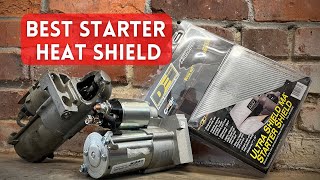
Pro Tip: If you are dealing with heat soak issues, consider a modern gear-reduction starter, often called a "mini-starter." These are smaller, more powerful, and often more resistant to heat than the original design. Installing a starter heat shield is another effective solution that can protect any type of starter.
🎬 See how to install a heat shield to prevent soakStarter Replacement Cost for 1964-1976 Buick Electra
| Part Type | Estimated Cost |
|---|---|
| New Aftermarket Starter | $116 - $198 |
| Remanufactured Starter | $75 - $185 (plus a refundable core charge) |
| Shop Labor | $98 - $143 |
| Total Professional Replacement | $220 - $341 |
Frequently Asked Questions
Is it hard to replace the starter on a Buick Electra?
For a DIY mechanic with some experience, it is a manageable job. It requires safely lifting the vehicle, working underneath the car, and using basic hand tools. Access on these large, rear-wheel-drive cars is generally good. Always disconnect the battery before you begin.
🎬 Watch this walkthrough of a classic GM starter installationDo I need a special starter for my Electra's engine?
Yes, you must get a starter that is specified for your Electra's model year and engine (e.g., 401, 430, 455 V8). While they look similar, the mounting points and gear may be different. Always verify fitment before purchasing.
My battery is new but the car won't start. Could it still be the starter?
Yes. If the dashboard lights come on but the engine won't crank, the starter is a primary suspect. A single click 🎬 Watch: How to easily diagnose a failing starter motor sound when you turn the key is a classic symptom of a bad starter, not a bad battery.
Are there any recalls for the starter on my Buick Electra?
Searches of the National Highway Traffic Safety Administration (NHTSA) database did not show any open recalls or vehicle-specific technical service bulletins (TSBs) for the starter on the 1964-1976 Buick Electra.
Helpful Videos
Technical Specifications
The starter is a 12-volt, high-torque electric motor. Specific design varies by engine size (e.g., 401, 430, 455) and year. Most original starters are a direct-drive design, while many modern replacements are a more efficient gear-reduction type.
We Have This Part in Stock

The information in this article is provided for general reference and educational purposes only. Vehicle specifications, procedures, and part compatibility can vary by production date, trim level, and region. Always consult your vehicle's factory service manual and verify part numbers before purchasing or performing repairs. Safety-critical components such as airbags, seat belts, and braking systems should be installed by a qualified professional.