

Choosing the Right Spark Plug Wire Set for a 1964-1976 Chevrolet Malibu
Don't let old, worn-out wires compromise the performance and reliability of your classic Malibu.
- The most critical step is identifying your ignition system: early points-style or later HEI. They require different wire sets.
- Upgrading to an 8mm or 8.5mm silicone spiral core wire is a worthwhile improvement for better performance and durability.
- For most owners, street performance brands like MSD, Accel, and Taylor offer the best balance of quality and value.
- Always replace wires one at a time to avoid mixing up the engine's firing order.
Signs of Failing Spark Plug Wires
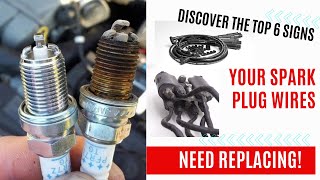
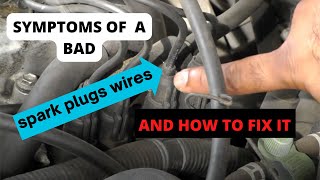
When spark plug wires start to fail, the symptoms are often noticeable. Because the wires are responsible for delivering the spark that makes the engine run, any problems with them will directly impact engine performance. You might experience a rough idle, where the engine shakes or vibrates more than usual. Other common signs include engine hesitation during acceleration, misfires that can feel like a stumble or jerk, and a general loss of power. 🎬 Watch: 6 common symptoms of bad spark plug wires In some cases, you may even see visible damage like cracks, burns, or melted spots on the wire insulation.
A Critical Distinction: Points vs. HEI Ignition
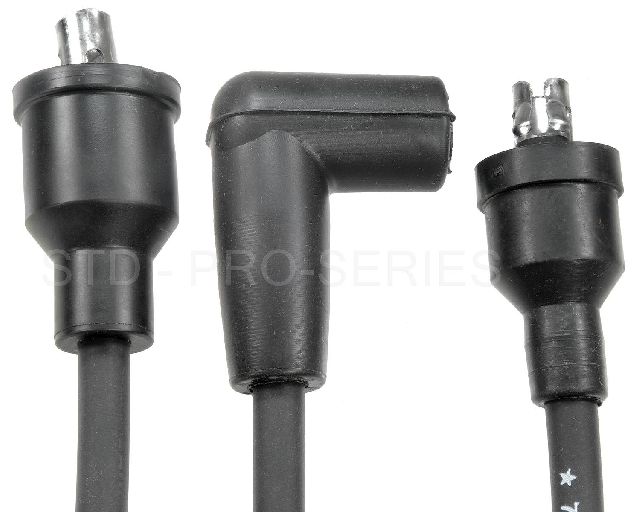
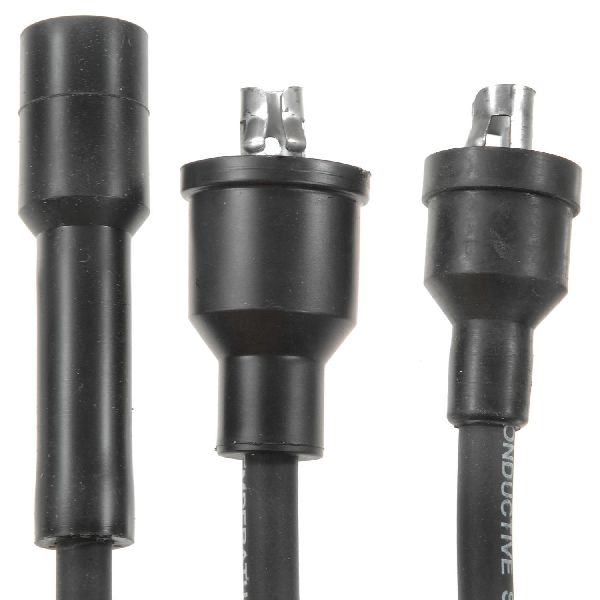
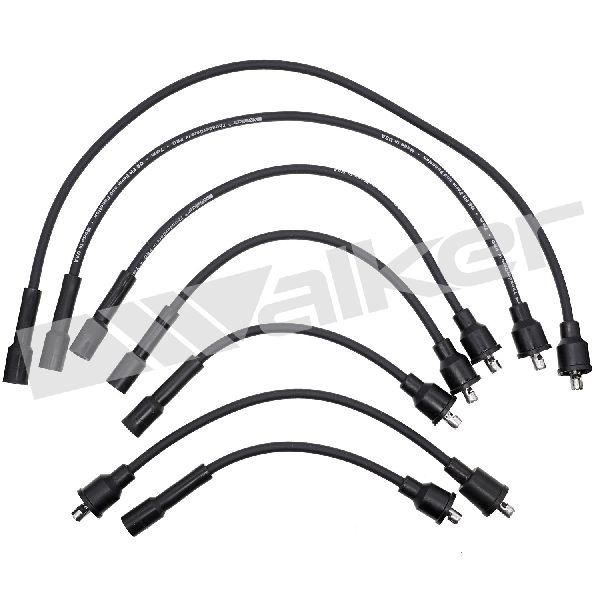
When ordering a spark plug wire set for your 1964-1976 Malibu, the single most important factor is your ignition system. Early models used a points-style distributor with a separate external coil. Around 1975, GM introduced the High Energy Ignition (HEI) system, which features a larger distributor cap with the ignition coil built right in. These two systems use different connections at the distributor cap. Points-style caps use female/socket terminals, while HEI caps use male/post terminals. Ordering the wrong set will mean the wires won't connect to your distributor.
🎬 See the differences between Points and HEI ignition systemsChoosing the Right Aftermarket Wires
For a classic car like the 1964-1976 Malibu, aftermarket spark plug wires are often a significant upgrade over the original technology. Modern materials offer better heat resistance and electrical performance. Here’s how to choose:
- Conductor Type: Most aftermarket performance wires use a spiral-wound core. This design provides a low-resistance path for the spark to travel, giving you a hotter, more powerful spark than original-style carbon core wires. They also do a great job of suppressing radio frequency interference (RFI), which can cause static in your radio.
- Wire Diameter: You'll see wires advertised as 7mm, 8mm, 8.5mm, or even larger. A larger diameter generally means thicker insulation. This provides better protection against heat and reduces the chance of the spark arcing to ground before it reaches the plug. For most street-driven Malibus, an 8mm or 8.5mm silicone wire is an excellent and durable choice.
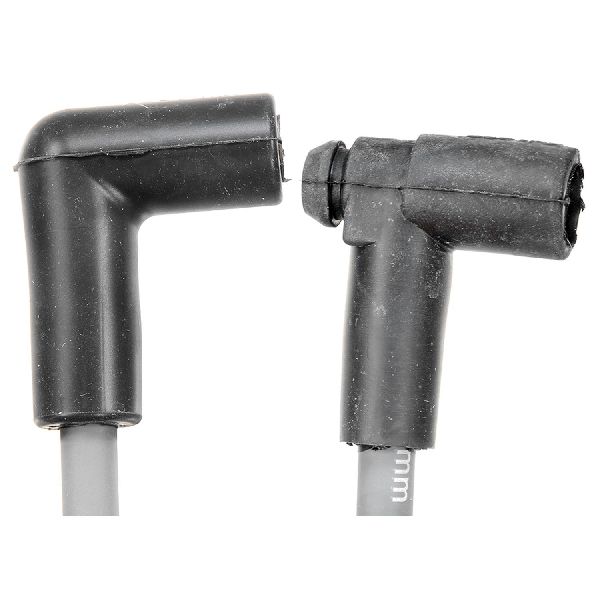
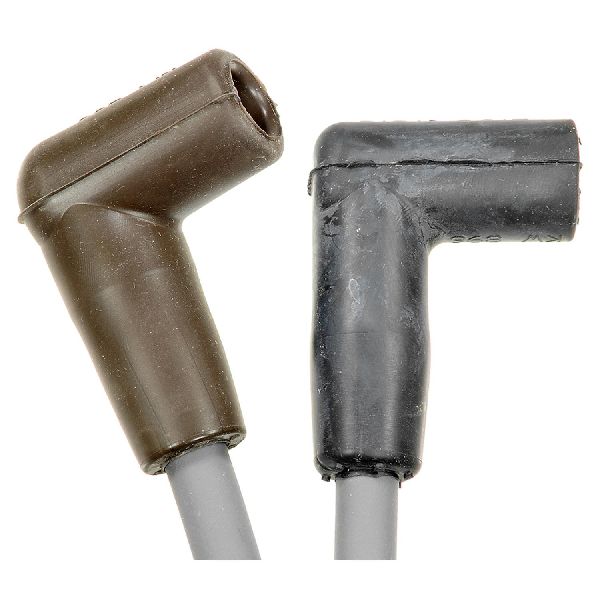
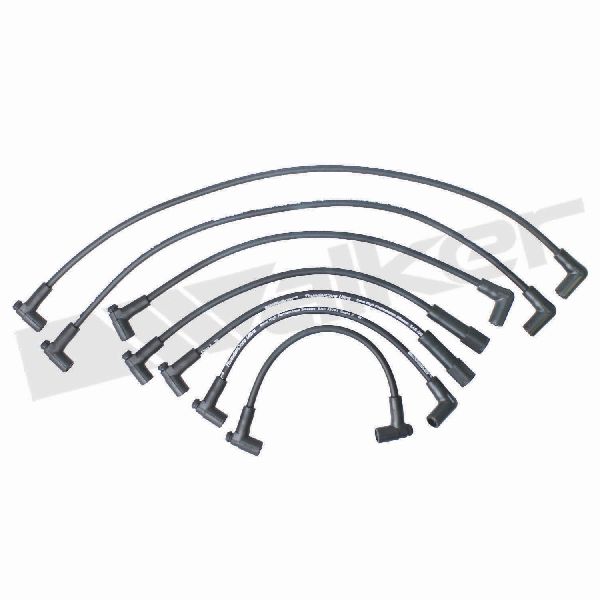
- Boot Style: Pay attention to the angle of the spark plug boots. Depending on your exhaust manifolds or headers, you may need straight boots, 45-degree boots, or 90-degree boots for proper clearance. Many sets come with 90-degree boots for the distributor cap side.
Brand Tiers for Your Malibu
The brands available offer a range of options from stock replacements to high-performance racing wires.
| Tier | Brands | Best For |
|---|---|---|
| OE-Style Replacement | ACDelco, Standard Wires, NGK | Owners seeking a stock look and reliable, factory-level performance. ACDelco is the original equipment manufacturer for GM. |
| Street Performance | MSD, Accel, Taylor Cable, Pertronix | The majority of classic Malibu owners. These brands offer excellent performance, durability, and heat resistance, often in multiple color choices. They are a noticeable upgrade for both stock and mildly modified engines. |
| High Performance / Racing | MSD (Super Conductor), FAST, Edelbrock | Modified engines with high-output ignition systems, headers, or those used in racing applications. These wires offer the lowest resistance and highest heat protection. |
Pro Tip: Use Dielectric Grease
When installing your new wires, apply a small amount of dielectric grease to the inside of each boot. This helps seal out moisture, prevents corrosion, and makes the wires easier to remove next time.
Frequently Asked Questions
Do I need to replace my wires if I get new spark plugs?
It's a good idea. Spark plug wires degrade over time due to heat and vibration. Replacing them with your spark plugs ensures your entire ignition system is in top shape. It's an easy job to do at the same time.
What's the difference between universal and custom-fit wire sets?
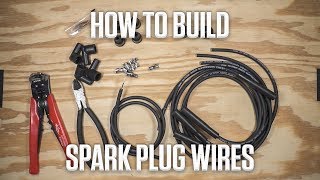
Custom-fit sets are cut to the perfect length for your specific engine and are ready to install out of the box. Universal sets come with long wires and separate terminals, requiring you to cut each wire to length and crimp the terminals on yourself. 🎬 Learn how to build and crimp your own custom wires While more work, this allows for a perfectly tailored fit.
How do I make sure I don't mix up the firing order?
The best method is to replace one wire at a time. Remove one old wire, from the distributor cap to the spark plug, and then install the new wire in the exact same location. Repeat this for all cylinders.
Are there any recalls for spark plug wires on my Malibu?
No. There are no recalls or common Technical Service Bulletins (TSBs) from the manufacturer related to spark plug wires for the 1964-1976 Chevrolet Malibu. This is a standard maintenance part.
Helpful Videos
![Points Ignition VS HEI - The Pros and Cons of Both [How To Install an HEI on YOUR Small Block Chevy]](https://img.youtube.com/vi/5-3lFDATg-U/mqdefault.jpg)
Technical Specifications
Key specifications vary based on the exact year and engine (Inline-6, Small Block V8, Big Block V8). The most important factors are: 1. Distributor Type (Points or HEI). 2. Spark Plug Boot Angle (Straight, 45°, 90°). 3. Wire Core Type (Spiral Core recommended). 4. Wire Diameter (8mm or 8.5mm recommended for street use).
We Have This Part in Stock

The information in this article is provided for general reference and educational purposes only. Vehicle specifications, procedures, and part compatibility can vary by production date, trim level, and region. Always consult your vehicle's factory service manual and verify part numbers before purchasing or performing repairs. Safety-critical components such as airbags, seat belts, and braking systems should be installed by a qualified professional.