

1964-1977 Buick Electra Speedometer Cable: A Comprehensive Guide
If your speedometer needle is bouncing, noisy, or dead, the cable is the most likely cause.
- A bouncing needle, dash noise, or a dead speedometer are the classic signs of a bad cable.
- Always lubricate the new inner cable with graphite-based lube before installation, even if it's brand new.
- Ensure the cable is the correct length and routed with wide, gentle curves to prevent kinks and binding.
- Aftermarket cables are the only practical option; choose a standard brand like ATP for budget repairs or a cut-to-fit brand like Lokar for premium quality.
Is Your Speedometer Acting Up?
A faulty speedometer cable is the most common reason for speedometer problems in a classic Buick Electra. Because the part is mechanical and constantly in use, the inner cable can wear out, kink, or break over time. The good news is that it's a straightforward part to replace.
Symptoms of a Failing Speedometer Cable
Watch for these common signs that your cable needs replacement:
- Wavering or Bouncing Needle: The speedometer needle jumps around, especially at a steady speed. This is the most classic symptom, caused by the inner cable binding and releasing as it spins.
- Squealing or Clicking Noises: You might hear a squealing, whirring, or clicking sound from behind the dashboard. This is often due to a dry or worn-out cable that needs lubrication or is about to break.
- No Speed Reading: The speedometer needle doesn't move at all. This usually means the inner cable has snapped completely.
A Note on Cruise Control Models
Some Electras equipped with factory cruise control may have a two-cable system with a control box in the middle. One cable runs from the transmission to the box, and a second runs from the box to the speedometer. Be sure to inspect both cables to find the source of the problem.
Choosing the Right Aftermarket Cable
Since New Old Stock (NOS) GM cables are extremely rare and expensive, the aftermarket is your go-to source. Quality and price vary, so it's important to choose the right one for your needs. The brands available generally fall into two tiers.
Tier 1: Standard Replacement
Brands: ATP, Pioneer Cable
These brands offer direct-fit replacement cables that are affordable and widely available. They are a good choice for a daily driver or a standard restoration where originality and budget are key. While reviews are generally positive for the price, some users note that they can occasionally be slightly too long or short for a specific application. It's a good practice to measure your old cable before ordering.
Tier 2: Premium / Custom Fit
Brands: Lokar
Lokar specializes in high-quality components for custom cars and hot rods. Their speedometer cables often feature a braided stainless steel housing for a premium look and extra durability. These are typically "U-Cut-to-Fit" kits, meaning you get a long cable and housing that you trim to the perfect length for your car. This is ideal for custom applications or if you want to ensure a perfect, kink-free routing path. They are the most expensive option but offer the highest quality and flexibility.
| Part Tier | Typical Brands | Price Range | Best For |
|---|---|---|---|
| Standard Replacement | ATP, Pioneer Cable | $15 - $35 | Stock restorations and budget-friendly repairs. |
| Premium / Custom Fit | Lokar | $80 - $155 | Custom builds, show cars, or achieving a perfect fit. |
| Performance / Specialty | B&M | $40 - $90 | Often sold as service parts for B&M performance shifters or transmission kits. |
Frequently Asked Questions
Why is my new speedometer cable still bouncing?
If a new, lubricated cable doesn't fix a bouncing needle, the problem may be the speedometer head itself or the cable routing. Ensure the cable housing has no sharp bends or kinks between the transmission and the dashboard, as this can cause binding. If the routing is smooth, the issue may be with worn gears or bushings inside the speedometer gauge.
Do I have to lubricate a new cable?
Yes, it is highly recommended. Many aftermarket cables come with minimal lubrication to keep them clean in the package. Pulling the inner core out, wiping it with a cloth, and applying a specific speedometer cable lubricant (usually graphite-based) will prevent noise and premature wear. Do not use heavy grease, as it can get stiff in the cold and work its way into the speedometer head.
What does "cut-to-fit" mean?
Cut-to-fit cables, like those from Lokar, come with an extra-long inner cable and outer housing. You route the housing from the transmission to the speedometer, cut it to the ideal length, and then trim the inner cable to match. This allows you to create smooth, gentle bends and guarantees a perfect fit, which is especially useful in modified vehicles.
Can a broken cable damage my speedometer?
It is very unlikely. If the cable simply snaps, the speedometer just stops working. If the cable binds severely before breaking, it could theoretically put some strain on the input of the speedometer head, but damaging the internal mechanism is rare. The cable is designed to be the weak link in the system.
Technical Specifications
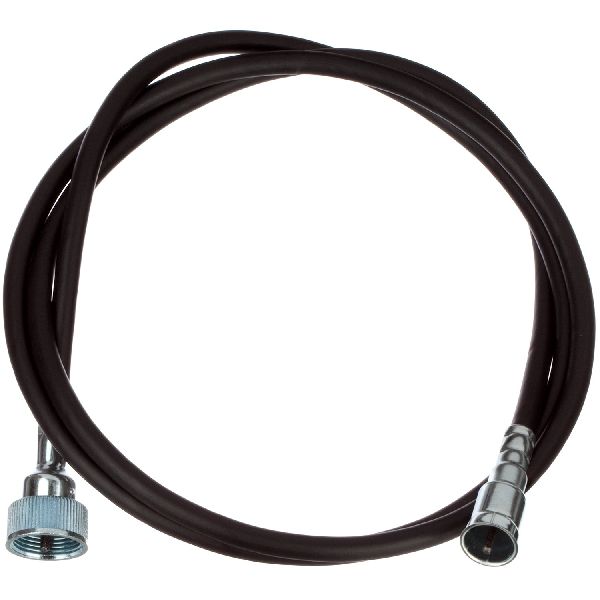
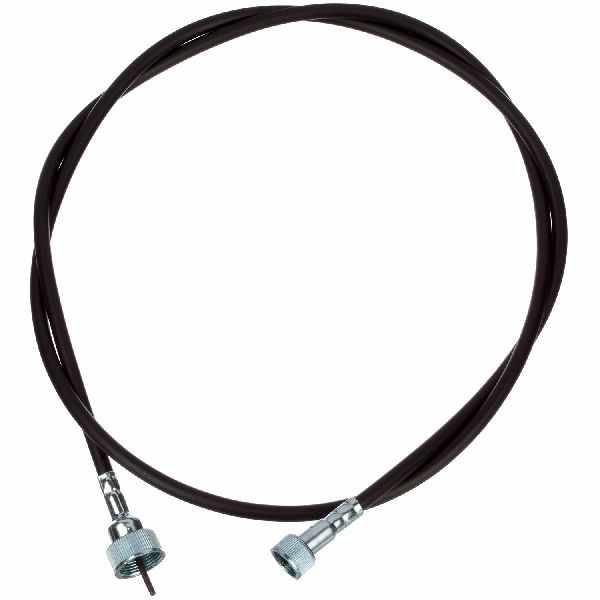
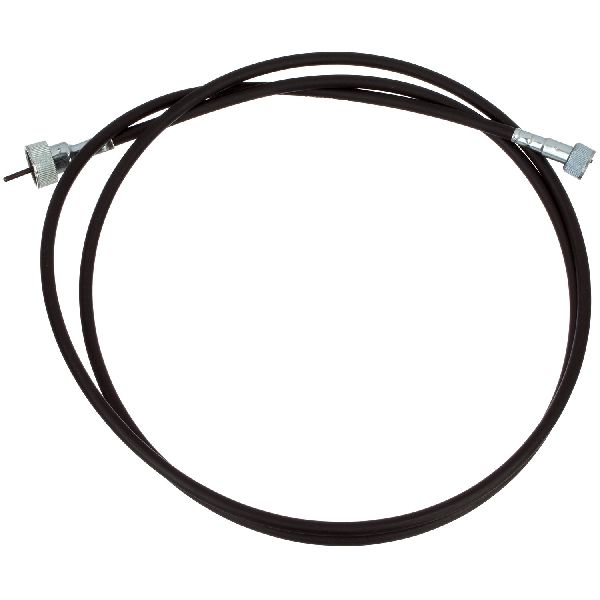
The speedometer connection typically uses a 5/8"-18 female thread on the cable to connect to the male thread on the speedometer head. The transmission connection is a screw-on collar. Length varies by year and application, so measuring the original cable is recommended.
We Have This Part in Stock


The information in this article is provided for general reference and educational purposes only. Vehicle specifications, procedures, and part compatibility can vary by production date, trim level, and region. Always consult your vehicle's factory service manual and verify part numbers before purchasing or performing repairs. Safety-critical components such as airbags, seat belts, and braking systems should be installed by a qualified professional.