

A/C Compressor Replacement Guide for the 1964-1978 GMC G1500 Van
Get your classic GMC G1500's air conditioning running cold again by understanding how to choose the right A/C compressor.
- For a 1964-1978 G1500, you will be buying a new aftermarket compressor, as OEM parts are unavailable.
- You MUST replace the receiver/drier and orifice tube and flush the entire A/C system when installing a new compressor to avoid immediate failure.
- Your van was designed for R-12 refrigerant; replacing the compressor is the ideal time to properly convert the system to modern R-134a.
- While a DIYer can physically swap the part, the system requires a professional vacuum and recharge with specialized equipment.
Is Your G1500's A/C Compressor Failing?
On a classic van like the 1964-1978 GMC G1500, the A/C system is relatively simple, but a failing compressor can show several signs. Catching them early can prevent further damage to the system.
- Warm Air From Vents: The most obvious sign is when the A/C system blows air that is not cold, or is only slightly cool. If the refrigerant level is correct, the compressor is often the next part to check.
- Loud Noises: Grinding, squealing, or rattling sounds from the engine bay when you turn on the A/C point to internal compressor problems. Worn bearings or a failing clutch can cause these noises.
- Compressor Clutch Doesn't Engage: The outer part of the compressor pulley should spin with the belt. When you turn on the A/C, the center part, or clutch, should click and start spinning too. If it doesn't move, the clutch or the compressor itself may have failed.
- Visible Leaks: The compressor contains oil to lubricate its internal parts. If you see oily residue or grime specifically on the compressor body, it could indicate a leak from the seals.
Choosing the Right Aftermarket Compressor
For a vintage vehicle like the G1500, new Original Equipment Manufacturer (OEM) parts are no longer available. The market consists of new aftermarket and remanufactured parts. Given the critical role of the compressor, a new aftermarket unit is strongly recommended over a remanufactured one for better reliability and a longer lifespan.
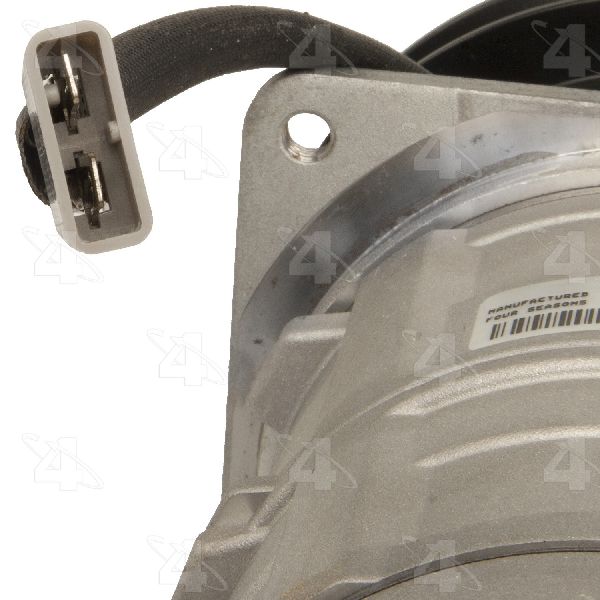
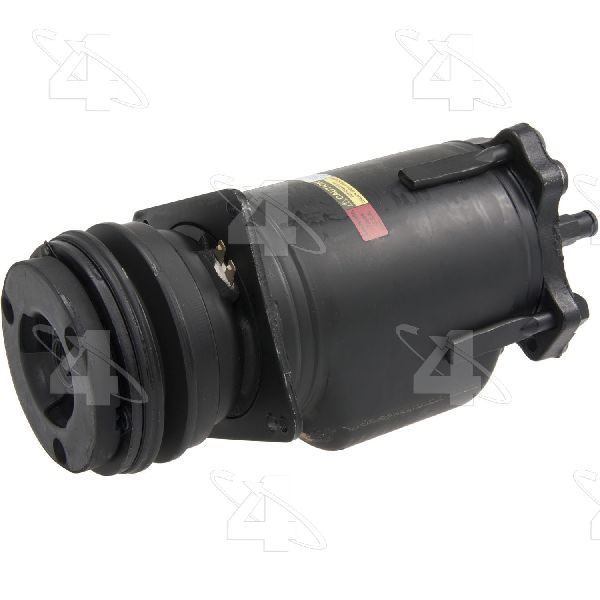
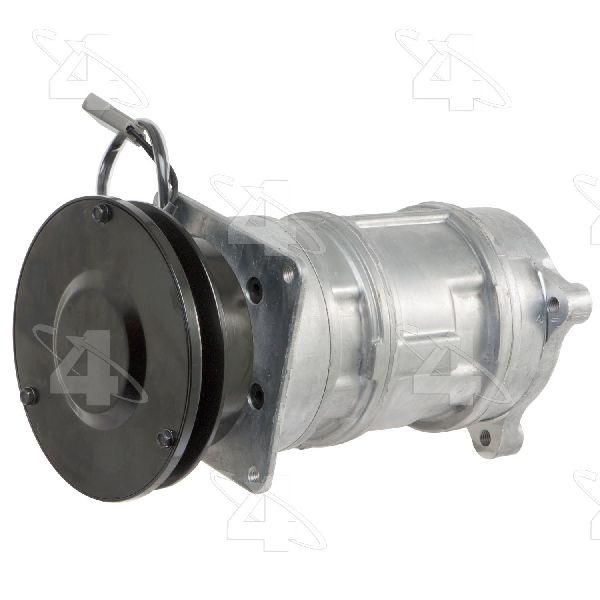
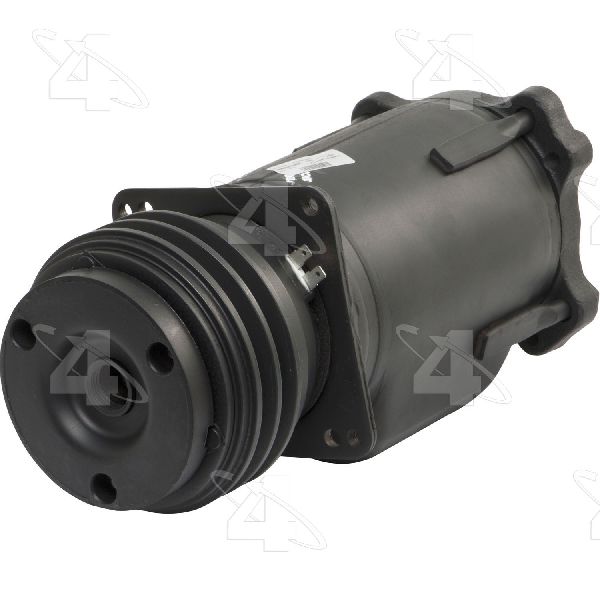
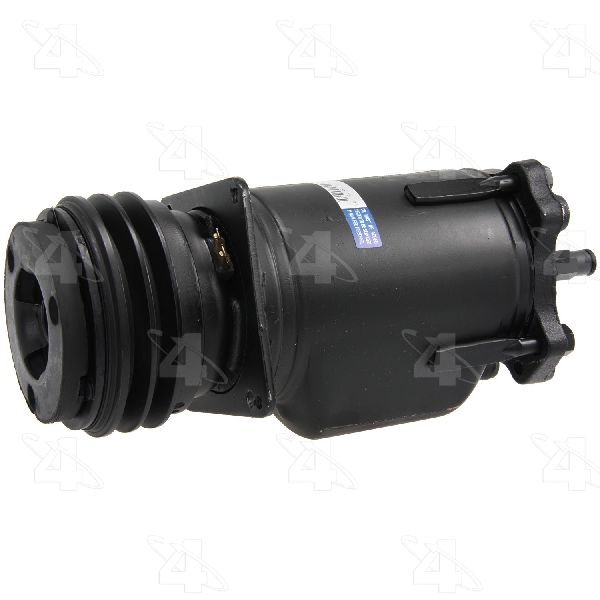
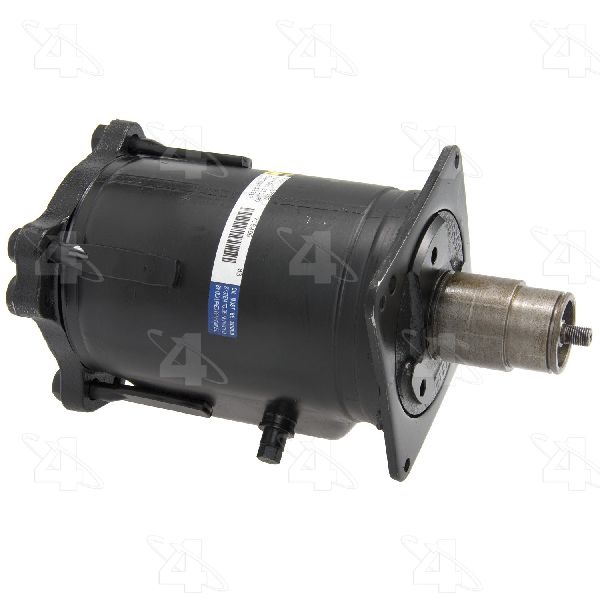
Four Seasons is a common brand offering new compressors for this application. While reviews for remanufactured parts can be mixed, new Four Seasons compressors are generally considered a reliable and cost-effective choice. They often serve as direct replacements for the original GM A6 or R4 style compressors used in these vans.
Pro Tip: R-12 to R-134a Conversion
Your van's original A/C system used R-12 refrigerant, which is no longer available. When you replace the compressor, it's the perfect time to convert the system to modern R-134a refrigerant. This involves flushing the system and using a compatible oil (PAG or Ester). A new compressor designed for R-134a is often the easiest path.
What to Expect for Costs
The price for a new aftermarket A/C compressor can vary depending on the specific year of your van and the compressor model required.
| Item | Estimated Cost |
|---|---|
| New Aftermarket A/C Compressor | $217.20 - $832.59 |
| A/C System Flush Chemicals | $20 - $40 |
| Receiver-Drier / Accumulator | $20 - $50 |
| Orifice Tube | $5 - $15 |
| Shop Labor | $160 - $400+ |
Cost estimates are approximate and can vary by location and supplier. Labor costs for classic vehicles may be higher.
Always Replace Associated Parts
When an A/C compressor fails, it can send metal debris throughout the system. Simply replacing the compressor is not enough. To ensure your new compressor isn't damaged, you must also replace the A/C receiver/drier (or accumulator) and the orifice tube. The entire system must also be professionally flushed to remove old oil and contaminants. Failure to do this will cause the new compressor to fail quickly and will void its warranty.
Frequently Asked Questions
Can I install a new A/C compressor myself?
While mechanically unbolting and replacing the compressor is possible for a skilled DIYer, the A/C system requires specialized tools. You will need a manifold gauge set to monitor pressures and a vacuum pump to remove all air and moisture before recharging. Handling refrigerants is also regulated by law. For most owners, it's best to have a professional shop perform the final vacuum and recharge.
Do I have to flush the A/C system?
Yes, absolutely. If your old compressor failed internally, it likely contaminated the entire system with metal shavings. If you don't flush these out, they will circulate and destroy your new compressor almost immediately. This is the single most common cause of a new compressor failing.
What kind of oil should I use in the new compressor?
This depends on the refrigerant you are using. If converting to R-134a, you will likely use PAG 100 or PAG 150 oil. However, always follow the specific instructions included with your new compressor. Some compressors come pre-filled with oil, but you should always drain and measure it to confirm the correct amount for your G1500's system.
Are there any recalls on the G1500 A/C compressor?
No. Due to the age of the 1964-1978 GMC G1500, there are no active recalls or Technical Service Bulletins (TSBs) from the NHTSA related to the A/C compressor.
Technical Specifications
Compressor types vary by year but are typically a GM A6 or R4 style. The system uses a V-belt drive. Confirm the pulley diameter and clutch design for your specific year before ordering.
We Have This Part in Stock

The information in this article is provided for general reference and educational purposes only. Vehicle specifications, procedures, and part compatibility can vary by production date, trim level, and region. Always consult your vehicle's factory service manual and verify part numbers before purchasing or performing repairs. Safety-critical components such as airbags, seat belts, and braking systems should be installed by a qualified professional.