

Your Guide to the 1964-1979 Buick LeSabre Engine Coolant Bypass Hose
Keep your classic LeSabre's engine safe by understanding this small but critical cooling system hose.
- A failing bypass hose can cause catastrophic engine damage from overheating; do not drive with a known leak.
- Inspect the hose for cracks, bulges, or a spongy feel, especially during routine maintenance.
- Always use a pre-molded hose from a quality brand like ACDelco, Gates, or Dayco; do not use a generic straight hose.
- Replace the hose clamps at the same time as the hose to ensure a proper, leak-free seal.
Is Your LeSabre's Bypass Hose Failing?
On a classic car like the 1964-1979 Buick LeSabre, rubber components are often the first to fail from age. The engine coolant bypass hose is constantly exposed to heat, pressure, and corrosive coolant, leading to eventual breakdown. A failure can cause a significant coolant leak, leading to engine overheating and potentially catastrophic damage. Because it is an inexpensive part, replacing it as preventative maintenance is a wise decision.
Symptoms of a Bad Bypass Hose
Watch for clear signs that your bypass hose needs immediate attention. Ignoring these symptoms can lead to much more expensive repairs.
- Coolant Leaks: This is the most common symptom. You may see puddles of green or orange fluid under your engine. The leak can also appear as a slow drip or crusty white or colored residue on or around the hose itself.
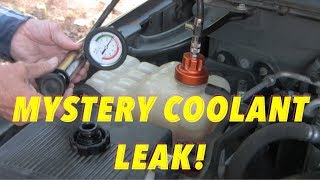
- Sweet Smell: Leaking engine coolant has a distinct sweet odor. If you notice this smell coming from the engine bay, especially after a drive, a failing hose is a likely culprit. 🎬 Watch: How to diagnose a mystery coolant leak in a GM engine.
- Engine Overheating: If the bypass hose develops a large crack or bursts, it will lose coolant rapidly. This will cause your vehicle's temperature gauge to climb into the red zone, indicating an overheating engine.
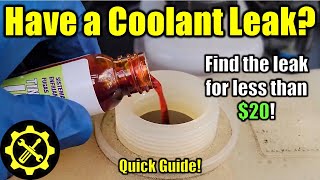
- Visible Hose Damage: Inspect the hose when the engine is cool. Look for cracks, splits, or brittleness. 🎬 Watch: A helpful guide on how to find a coolant leak. A hose that feels soft and spongy or has a noticeable bulge is deteriorating from the inside and is at high risk of bursting.
Choosing the Right Aftermarket Hose
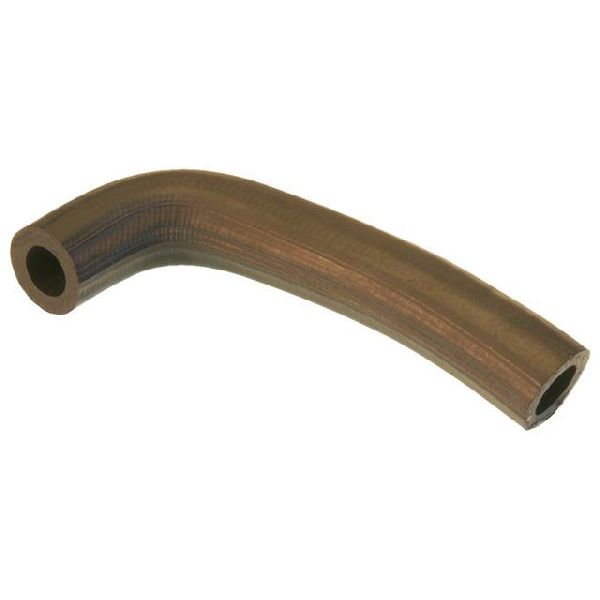
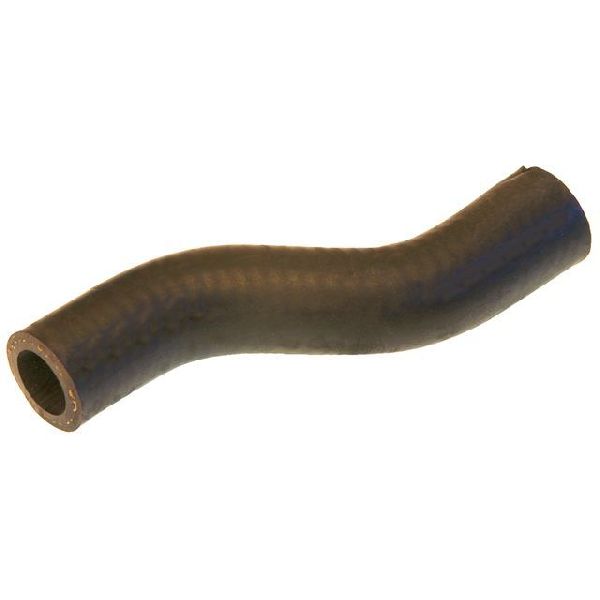
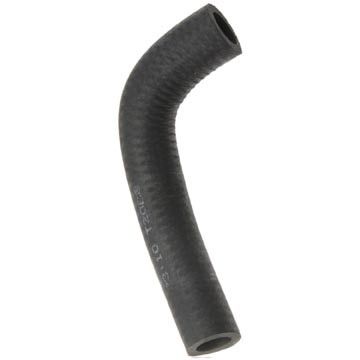
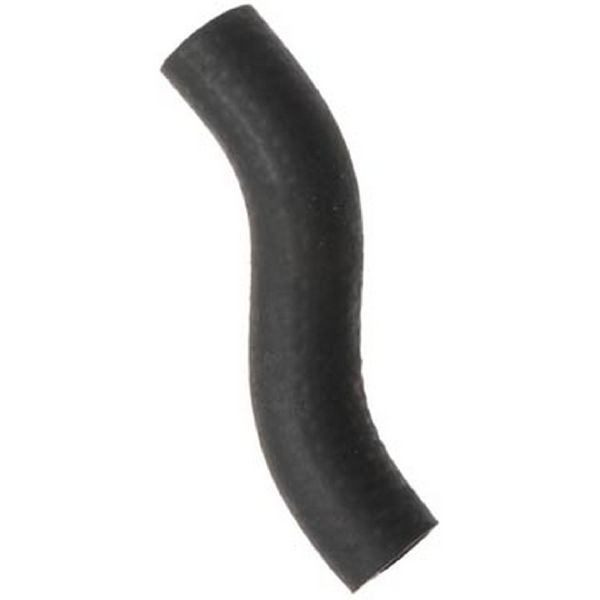
For a vehicle of this vintage, new Original Equipment (OEM) parts are generally not available. However, the aftermarket offers excellent, reliable options. Always choose a molded hose specifically designed for your LeSabre's engine; do not use a generic or flexible hose, as it can kink and restrict flow.
| Brand Tier | Brands | Notes |
|---|---|---|
| Good (OE-Style) | ACDelco | As General Motors' own parts division, ACDelco parts are considered a direct, high-quality alternative to the original factory part. They are manufactured to meet GM's specifications for fit and function. |
| Better (Premium Aftermarket) | Gates, Dayco | Both Gates and Dayco are highly respected manufacturers of belts and hoses. Gates is often an OEM supplier and engineers its hoses to resist electrochemical degradation, a primary cause of failure. Dayco hoses are also known for their durability, with some mechanics noting they feel slightly thicker than other brands. For a classic American car, either brand is an excellent choice. |
Replacement Cost
Replacing the coolant bypass hose is one of the more affordable repairs for your cooling system. The part itself is inexpensive, and labor is minimal.
🎬 See this easy way to install a water pump bypass hose.| Part/Service | Estimated Cost |
|---|---|
| New Aftermarket Part | $10.75 - $97.57 |
| Shop Labor | $75 - $150 |
| Total Estimated Cost | $85 - $250 |
Note: No recalls or Technical Service Bulletins (TSBs) related to the engine coolant bypass hose are on file with the NHTSA for the 1964-1979 Buick LeSabre. Any issues with this part are typically due to normal wear and aging.
Frequently Asked Questions
Can I use a generic straight piece of hose?
No. The bypass hose for your LeSabre has specific pre-formed bends to navigate around other engine components. Using a straight hose will cause it to kink, which restricts coolant flow and can lead to overheating or rapid hose failure. Always use a molded hose designed for your vehicle.
Should I replace the hose clamps at the same time?
Yes, it is highly recommended. Old hose clamps can lose their tension over time or corrode, which can cause leaks even with a brand new hose. New clamps are inexpensive and ensure a secure, leak-free seal.
Is this hose the same as a radiator hose?
No. Radiator hoses are much larger in diameter and are responsible for carrying coolant between the engine and the radiator. The bypass hose is a much smaller hose that allows coolant to circulate within the engine itself.
What kind of coolant should I use?
For classic cars like the 1964-1979 LeSabre, a traditional IAT (Inorganic Additive Technology) conventional green coolant is typically recommended. Always mix it 50/50 with distilled water. Check your vehicle's service manual for specific recommendations.
Helpful Videos
Technical Specifications
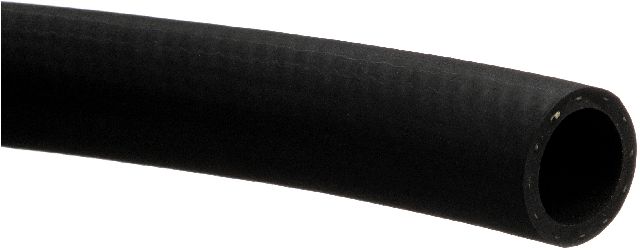
The Engine Coolant Bypass Hose for this vehicle is a molded EPDM rubber hose. It is designed to resist heat, ozone, and chemical degradation from engine coolant. The specific shape and diameter vary depending on the engine (e.g., Buick 350, 455 V8), so verifying your engine type is crucial for correct fitment.
We Have This Part in Stock

The information in this article is provided for general reference and educational purposes only. Vehicle specifications, procedures, and part compatibility can vary by production date, trim level, and region. Always consult your vehicle's factory service manual and verify part numbers before purchasing or performing repairs. Safety-critical components such as airbags, seat belts, and braking systems should be installed by a qualified professional.