

A Guide to Replacing the Starter Motor on Your 1964-1979 Buick LeSabre
Solve slow-cranking and no-start issues by choosing the right new aftermarket starter for your classic LeSabre.
- A common failure on Buick V8s is 'heat soak', where a hot starter won't crank the engine.
- For modified engines or to solve heat soak, a high-torque mini-starter (e.g., Powermaster) is a recommended upgrade over a stock replacement.
- Replacement is a DIY-friendly job for most home mechanics, typically requiring 1-2 hours.
- There are no official recalls or TSBs for this part; diagnosis relies on common symptoms.
Signs of a Failing Starter Motor
A failing starter rarely dies without warning. If your LeSabre is showing these signs, it's time to start shopping for a replacement before you get stranded.
- Single Loud Click: You turn the key and hear one sharp "click" but the engine doesn't crank. This often points to a bad starter solenoid, which is part of the starter assembly.
- Slow, Labored Cranking: The engine turns over much slower than usual, as if the battery is weak. If you've tested the battery and it's good, the starter is likely drawing too much power due to internal wear.
- Intermittent Starting: Sometimes the car starts perfectly, other times it won't. This unpredictability is a classic sign of a starter on its last legs. Tapping the starter with a wrench might get it to work one more time, confirming the starter is the problem.
- Grinding Noise: A grinding or whirring sound during or after cranking can mean the starter gear is not engaging or disengaging properly with the flywheel.
- Hot-Start Problems (Heat Soak): The car starts fine when cold, but after a drive, it cranks slowly or not at all. This is a very common issue with classic Buick V8s due to the starter's location near the hot exhaust manifold.
Known Issue: Starter Heat Soak
The large V8 engines in the 1964-1979 LeSabre, particularly the 350 and 455, are known for producing a lot of heat. The original-style starter is large and sits close to the exhaust, causing it to absorb heat. This "heat soak" increases the starter's electrical resistance, making it struggle to draw enough power to crank a hot engine. Solutions include installing a heat shield or a starter blanket, or upgrading to a modern gear-reduction mini-starter that is less affected by heat.
Choosing the Right Aftermarket Starter
For a classic vehicle like the LeSabre, you won't find a "new" OEM starter from GM. Your options are new aftermarket parts, which offer a range of quality and performance.
Brand Quality Tiers
Not all aftermarket brands are created equal. Based on owner experiences and reputation, here is a general breakdown of the brands available.
- OEM-Equivalent (Good): ACDelco is GM's parts division and is considered the go-to for a stock replacement. While often remanufactured for older cars, they are built to original specifications and are a reliable choice for standard, unmodified engines.
- Performance/High-Torque (Better/Best): Brands like Powermaster and MSD specialize in high-performance starters. These are often gear-reduction "mini-starters" that are smaller, lighter, and provide more cranking torque than the original design. They are an excellent upgrade for engines with high compression or to permanently solve heat soak problems.
- Budget (Use with Caution): Brands like Proform and other value-priced options have very mixed reviews. While some users have no issues, many report premature failures, grinding, and installation problems. The short warranty period on some of these parts is a significant concern. Consider these only if budget is the absolute primary concern and you are willing to risk a shorter lifespan.
Pro Tip: Standard vs. High-Torque
For a stock LeSabre with a 350 or smaller V8 and no hot-start issues, a quality standard starter like an ACDelco is perfectly adequate. If you have a 455 V8, have modified your engine for higher compression, or experience heat soak, investing in a high-torque mini-starter from a brand like Powermaster is a worthwhile upgrade for reliability and peace of mind.
New Aftermarket Starter Motor Cost for 1964-1979 Buick LeSabre
| Part Type | Estimated Cost |
|---|---|
| New Aftermarket Starter (Standard) | $62 - $150 |
| New Aftermarket Starter (High-Torque/Performance) | $180 - $385 |
| Shop Labor for Installation | $120 - $250 |
(Cost estimates are for parts and labor only and do not include taxes, shop fees, or diagnostics.)
Frequently Asked Questions
Do I need a special starter for my LeSabre's engine (300, 350, 455)?
Yes, while the starters look similar, there can be differences in mounting and gear engagement between different Buick engine families. Always verify the part fits your specific year and engine. High-torque starters are highly recommended for the larger 455 engines, especially if you have headers or experience hot-start issues.
What is a gear-reduction or mini-starter?
A gear-reduction starter uses internal gears to multiply the motor's torque, allowing a smaller, lighter motor to crank the engine with more force than the large, original-style direct-drive starter. This also means they typically draw less current and are less susceptible to heat soak, making them a popular upgrade.
Do I need to add shims when installing my new starter?
Sometimes. Shims are thin metal plates used to adjust the distance between the starter gear and the flywheel. Many new starters come with a shim kit. Incorrect spacing can cause grinding noises or damage to the starter or flywheel. It's important to check for proper gear engagement after installing the new starter.
Are there any recalls or TSBs for my LeSabre's starter?
No, there are no active recalls or Technical Service Bulletins (TSBs) from the NHTSA related to the starter motor for the 1964-1979 Buick LeSabre. Any known issues, like heat soak, are now considered common knowledge within the classic car community.
Technical Specifications
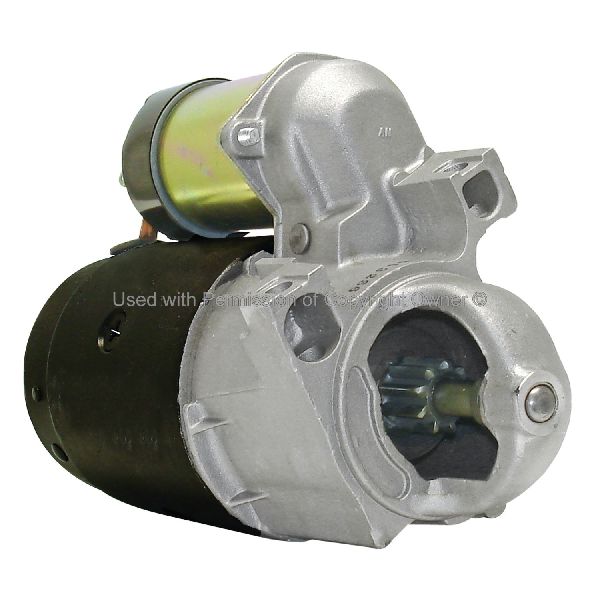
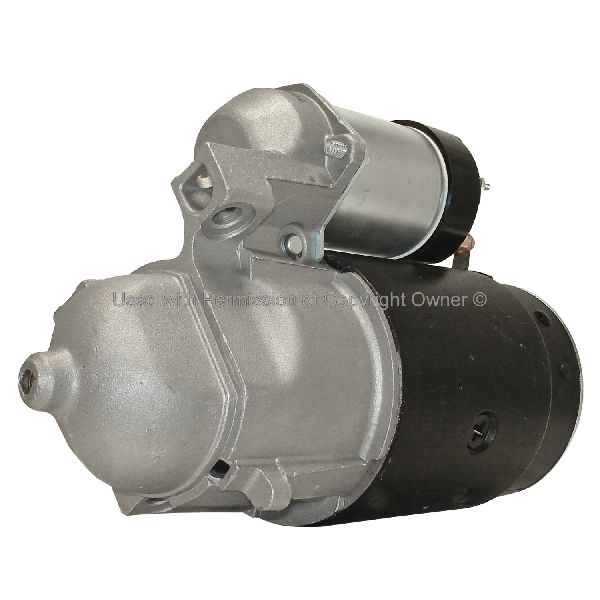
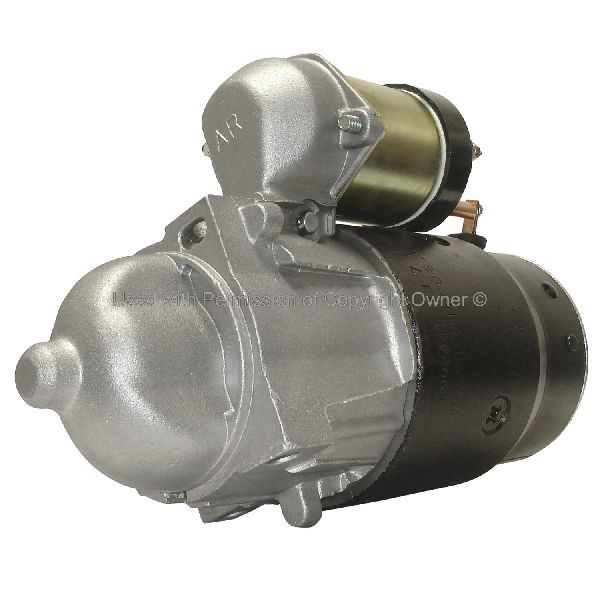
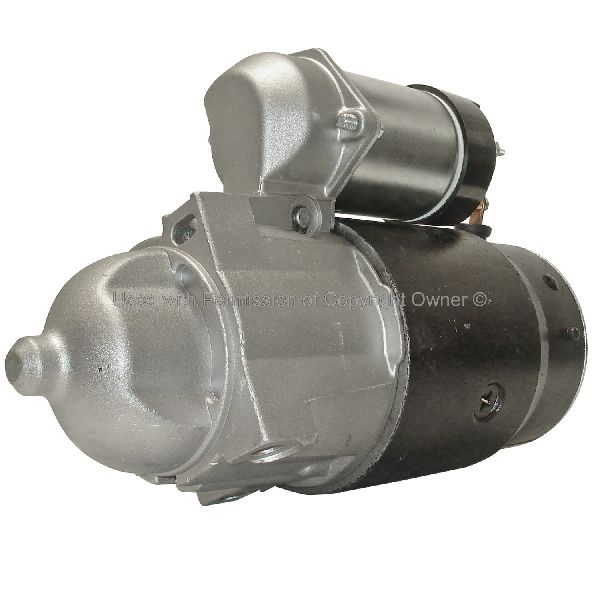
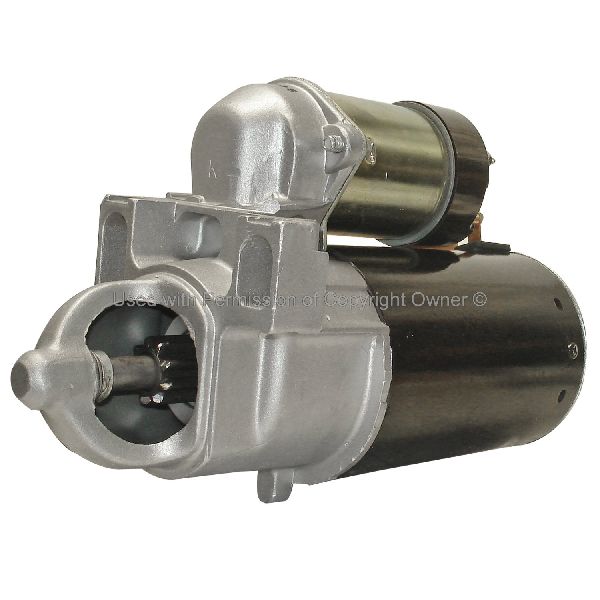
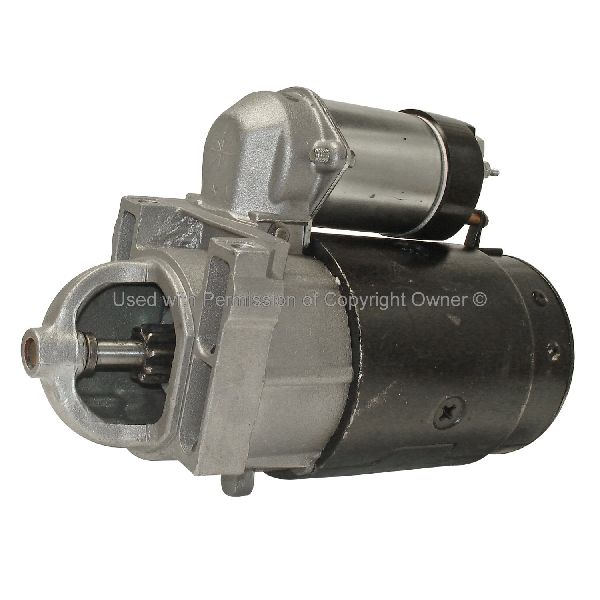
Varies by engine (e.g., 300, 350, 455 V8). Key factors include number of teeth (e.g., 9), mounting bolt pattern (straight or offset), and drive type (direct drive vs. gear reduction). Always confirm fitment for your specific year and engine combination.
We Have This Part in Stock

The information in this article is provided for general reference and educational purposes only. Vehicle specifications, procedures, and part compatibility can vary by production date, trim level, and region. Always consult your vehicle's factory service manual and verify part numbers before purchasing or performing repairs. Safety-critical components such as airbags, seat belts, and braking systems should be installed by a qualified professional.