

Spark Plug Guide for 1965-1969 Full-Size Buick Models
You're looking for spark plugs for a 1965-1969 Buick Roadmaster, but this model wasn't made during those years. Here's the information you need for similar Buick models of that era.
- The Buick Roadmaster was not made from 1965-1969; you likely have an Electra, Wildcat, or LeSabre.
- Use standard copper-core spark plugs from reputable brands like AC Delco, NGK, or Autolite for best performance.
- Always verify the spark plug gap is correct (typically around 0.035") before installation.
- Symptoms of bad plugs include rough idle, misfires, and poor gas mileage.
Identifying Your Buick: Roadmaster vs. Other Models
The first step in buying the right spark plugs is correctly identifying your car. The Buick Roadmaster was not produced between 1959 and 1990. If you own a full-size Buick from the 1965-1969 model years, you likely have an Electra 225, a Wildcat, or a LeSabre. These models shared platforms and engines, but it's important to know which one you have to ensure you get the correct parts.
1965-1969 Full-Size Buick Engines
| Year | Common Engines | Notes |
|---|---|---|
| 1965-1966 | 401 cu in & 425 cu in "Nailhead" V8 | These were the last years for the famous "Nailhead" engine family. |
| 1967-1969 | 400 cu in & 430 cu in Buick Big-Block V8 | Buick introduced a new generation of V8 engines in 1967. |
Symptoms of Failing Spark Plugs
Worn-out spark plugs can cause several noticeable problems in your Buick. Because these cars have simpler engine management systems compared to modern vehicles, the effects of bad plugs can be very obvious.
- Rough Idling: The engine may shake or vibrate more than usual when stopped.
- Poor Acceleration: You'll notice a hesitation or lack of power when you press the gas pedal.
- Engine Misfires: The engine may stumble or lose power for a moment, sometimes causing a popping sound from the exhaust.
- Difficulty Starting: The engine may take longer to crank before it starts, or it might not start at all.
- Reduced Fuel Economy: You'll find yourself filling up the gas tank more often than you used to.
Choosing the Right Aftermarket Spark Plugs
For a classic car like a 1960s Buick, you don't need expensive, fancy spark plugs. Standard copper-core plugs are often the best choice, as they are what the ignition systems of that era were designed for.
Pro Tip: Always check the spark plug gap before installation. Even if they come "pre-gapped," they can be knocked out of spec during shipping. A common gap for these engines is around 0.035 inches, but always check the specification for your exact year and engine.
Brand Tiers
- Tier 1 (OEM-Equivalent Quality): AC Delco is the original equipment manufacturer for General Motors vehicles and is a reliable choice. NGK and Denso are also top-tier brands known for excellent quality and reliability.
- Tier 2 (Quality Aftermarket): Autolite and Champion are well-regarded brands that have been around for decades and offer good performance for these vehicles. Many owners have had good experiences with Autolite plugs in particular.
- Tier 3 (Economy): While there are many budget brands available, sticking with a known manufacturer from Tier 1 or 2 is highly recommended for reliability. The cost savings are minimal, but the risk of poor performance or premature failure is higher.
A Note on Platinum and Iridium Plugs
While modern platinum or iridium plugs last longer, they are not always the best choice for these older engines. The ignition systems in 1960s Buicks were designed for copper plugs. Using a more modern plug type can sometimes cause a weaker spark and may not provide any performance benefit. Stick with standard copper plugs for the best results.
Frequently Asked Questions (FAQ)
What are the most common Buick models from 1965-1969 that are mistaken for a Roadmaster?
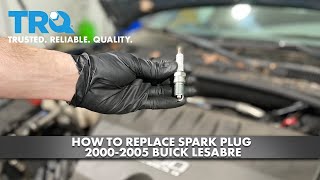
The most common full-size models are the Buick Electra 225, Buick Wildcat, and Buick LeSabre. 🎬 Watch this video for a guide on replacing LeSabre spark plugs. All are large, comfortable cars that share a similar style, leading to potential confusion.
Do I need special tools to change the spark plugs?
You will need a standard ratchet, a spark plug socket (usually 13/16" or 5/8" for these cars), an extension, and a spark plug gap tool. Dielectric grease for the inside of the spark plug boots is also highly recommended to make future changes easier and prevent misfires.
How often should I change the spark plugs on my classic Buick?
With standard copper spark plugs, a good interval is every 15,000 to 20,000 miles or every few years, depending on how much you drive the car. Since these are often not daily drivers, time can be as much a factor as mileage.
Is there a recall or TSB for spark plugs on these Buicks?
No recalls or Technical Service Bulletins (TSBs) were found related to spark plugs for 1965-1969 Buick models. Recalls and TSBs were less common during this manufacturing period compared to today.
Helpful Videos
Technical Specifications
Engine and year dependent. Common plug types include AC Delco R44S or R45S, NGK UR4, or Autolite 25/26. Always confirm the correct part number for your specific engine (e.g., 401, 425, 430 V8).

The information in this article is provided for general reference and educational purposes only. Vehicle specifications, procedures, and part compatibility can vary by production date, trim level, and region. Always consult your vehicle's factory service manual and verify part numbers before purchasing or performing repairs. Safety-critical components such as airbags, seat belts, and braking systems should be installed by a qualified professional.