

A Guide to Replacing Suspension Shock Absorbers on a 1965-1969 Buick Roadmaster
Restore that smooth, classic Buick ride by choosing the right new shock absorbers for your full-size car.
- The choice between aftermarket brands depends on your desired ride: Monroe or AC Delco for a soft, original feel; KYB for a firmer, more controlled ride.
- Replacing shocks is a feasible DIY project for this vehicle, requiring only basic tools.
- Always replace shocks in pairs (front or rear) to maintain balanced handling.
- Consider rear air shocks like the Monroe Max-Air if you plan to tow or carry heavy loads.
Is Your Buick's Smooth Ride a Bouncy Memory?
The original "land yacht" feel of a classic full-size Buick is legendary. If your car now feels more like a bouncy castle, chances are the shock absorbers are worn out. These parts don't last forever, and after decades of service, the hydraulic fluid inside breaks down and seals fail. Ignoring worn shocks not only ruins the ride but also affects your braking, handling, and tire wear.
Symptoms of Worn-Out Shock Absorbers
- Bouncy, Floating Ride: The most common sign. The car continues to bounce up and down long after hitting a bump.
- Nose-Diving: When you apply the brakes, the front end of the car dips excessively.
- Rear Squat: During acceleration, the rear of the car sags or "squats" down.
- Body Roll: The car leans heavily to one side when turning or changing lanes.
- Uneven Tire Wear: Worn shocks can cause a scalloped or "cupped" wear pattern on your tires.
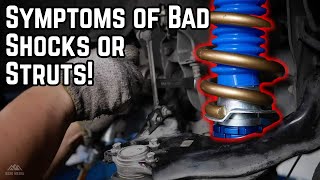
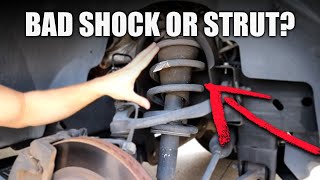
- Fluid Leaks: Oily fluid seen on the body of the shock absorber is a clear sign of failure. 🎬 Watch: 5 common symptoms of bad shocks explained.
A Note on Vehicle Models
The Buick Roadmaster was not produced between 1965 and 1969. However, the information and parts listed here are for contemporary full-size, rear-wheel-drive Buick models like the LeSabre, Wildcat, and Electra, which share the same GM B-body or C-body platform and suspension design. The shock absorbers for these models are directly applicable.
Choosing the Right Aftermarket Shocks
Original OEM shocks for this era are no longer available. However, the aftermarket offers several excellent options that can restore or even improve upon the original performance. Your choice depends on the ride quality you want: original softness or firmer, more modern control.
Standard Replacement (OEM Feel)
If you want to replicate the soft, comfortable ride your Buick had when it was new, these brands are your best bet. They are affordable and designed to match original factory performance.
- Monroe OESpectrum: A popular and widely available choice that provides a ride very similar to the original. They are a great value for restoring factory comfort.
- AC Delco Professional: As a GM brand, AC Delco shocks are designed to be direct OEM-equivalent replacements, offering dependable, factory-like performance.
Firm & Controlled Ride (Handling Upgrade)
If you prefer improved handling and a more connected-to-the-road feel, a firmer shock is a good upgrade. These are often high-pressure gas-charged shocks that provide better damping and control, especially at higher speeds, though the ride will be noticeably stiffer than stock.
- KYB Gas-a-Just: A very popular upgrade for classic cars. These monotube, high-pressure gas shocks offer a significant improvement in handling and reduce body roll. Many owners consider them a step up in quality from standard replacements, but be prepared for a firmer ride.
Premium & Performance
For those seeking the best possible handling or who have modified their suspension, premium brands offer superior performance at a higher cost.
- Bilstein: Often considered a top-tier shock for classic cars, Bilstein offers excellent control and durability. They provide a firm, sporty ride and are a significant handling upgrade, but come at a premium price.
- Aldan American: This brand offers adjustable coilover and shock absorber kits for owners looking to customize their ride height and performance.
Consider Air Shocks for the Rear
If you frequently carry heavy loads or tow a trailer, consider installing air-adjustable shocks in the rear, such as the Monroe Max-Air. These shocks have an air chamber that can be inflated to help maintain ride height and prevent the rear of the car from sagging under load.
Estimated Costs for Shock Absorber Replacement
| Part Type | Estimated Cost (Pair) |
|---|---|
| Standard Aftermarket (Monroe, AC Delco) | $60 - $100 |
| Firm/Upgrade Aftermarket (KYB) | $80 - $150 |
| Premium Aftermarket (Bilstein) | $200 - $400+ |
| Rear Air Shocks (Monroe Max-Air) | $90 - $150 |
| Shop Labor | $150 - $300 |
Cost estimates are for parts only (per pair) and do not include labor or taxes. Prices can vary by retailer and brand.
Frequently Asked Questions
Do I need to replace all four shocks at once?
It is highly recommended. Shocks should always be replaced in pairs (both front or both rear). Replacing all four at the same time ensures balanced handling and consistent performance. Mismatched shocks can lead to unpredictable handling.
What's the difference between a hydraulic and a gas-charged shock?
Original shocks were typically hydraulic (oil-only). Gas-charged shocks, like the KYB Gas-a-Just, add high-pressure nitrogen gas to the oil. This prevents the oil from foaming under heavy use, providing more consistent damping and better performance. Gas shocks usually provide a firmer ride.
Is replacing shocks a good DIY project?
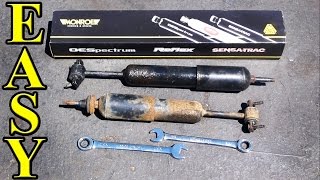
Yes. For a 1960s body-on-frame car like this, replacing the shocks is one of the easier suspension jobs. It typically involves unbolting the old shock from the frame and the axle and bolting the new one in. 🎬 See this walkthrough for replacing front shocks on classic GM cars. You will need basic hand tools, a jack, and jack stands for safety. No spring compressor is needed for this type of suspension.
🎬 Watch: An easy guide to changing your Buick's rear shocks.Will new shocks raise my car's ride height?
Generally, no. Standard shock absorbers are not designed to support the vehicle's weight; that is the job of the coil springs. If your car is sagging, you likely need new springs. The only exception is air-adjustable shocks, which can be used to raise the rear ride height when under load.
Helpful Videos




Technical Specifications
Front Suspension: Independent with coil springs. Rear Suspension: 4-link live axle with coil springs. Shock Type: Twin-tube hydraulic or monotube gas-charged.

The information in this article is provided for general reference and educational purposes only. Vehicle specifications, procedures, and part compatibility can vary by production date, trim level, and region. Always consult your vehicle's factory service manual and verify part numbers before purchasing or performing repairs. Safety-critical components such as airbags, seat belts, and braking systems should be installed by a qualified professional.
- 🎬 Helpful Videos
- Is Your Buick's Smooth Ride a Bouncy Memory?
- Symptoms of Worn-Out Shock Absorbers
- A Note on Vehicle Models
- Choosing the Right Aftermarket Shocks
- Standard Replacement (OEM Feel)
- Firm & Controlled Ride (Handling Upgrade)
- Premium & Performance
- Consider Air Shocks for the Rear
- Estimated Costs for Shock Absorber Replacement
- Frequently Asked Questions
- 🎟️ Get 5% Off