

Ford LTD Radiator Coolant Hose Replacement Guide (1965-1969)
Keep your classic 1965-1969 Ford LTD running cool by understanding when and how to replace your radiator hoses.
- Always replace radiator hoses in pairs (upper and lower) and use new clamps.
- For a driver, modern aftermarket hoses from brands like Gates offer better technology than rare original parts.
- Visually inspect hoses regularly for cracks, swelling, or soft spots to prevent a sudden failure.
- Ensure you order the correct molded hose for your LTD's specific engine size to guarantee proper fit.
Signs of a Failing Radiator Hose
Radiator hoses are wear-and-tear items. The rubber breaks down over decades of heat and pressure. Inspect your hoses at every oil change for these warning signs:
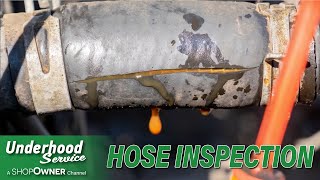
🎬 Watch: How to inspect your hoses and check coolant levels.- Visible Cracks or Splits: Look for cracks, especially near the ends where the clamps are. Even small cracks can turn into a major leak without warning.
- Bulging or Swelling: If a hose looks swollen or bloated, it's often a sign of oil contamination or internal failure. Replace it immediately.
- Spongy or Soft Spots: Squeeze the hoses (when the engine is cool). They should feel firm. If a hose feels soft, mushy, or overly flexible, the internal structure is weak and it's time for a replacement.
- Coolant Leaks: Puddles of green or orange fluid under the front of your car are a clear sign of a leak. You might also see white or rusty residue around the hose connections.
Choosing the Right Aftermarket Hose
For a classic car like the 1965-1969 LTD, finding original "New Old Stock" (NOS) Ford hoses is difficult and expensive, mainly for high-end restorations. Modern aftermarket hoses are often made from superior EPDM rubber, which lasts longer and resists heat and chemicals better than the original 1960s parts. Here’s a breakdown of common aftermarket brands:
| Brand Tier | Brands | Quality & Fitment Assessment |
|---|---|---|
| Premium Aftermarket | Gates | Often considered the top choice by mechanics. Gates hoses are known for excellent fitment, durability, and high-quality materials that resist collapse and degradation. They are frequently reported to be thicker and more substantial than other brands. |
| Quality Aftermarket | Continental (ContiTech) | A well-respected brand that offers a reliable balance of quality and value. Generally considered a solid choice with good fit and performance. |
| Standard Aftermarket | Dayco | A widely available option. While many users have no issues, some have reported occasional problems with fitment compared to Gates or OEM parts. It's a functional replacement, but double-check the shape against your old hose before installation. |
Pro Tip: Replace Hoses and Clamps Together
It is highly recommended to replace both the upper and lower radiator hoses at the same time. If one has failed due to age, the other is likely not far behind. Also, install new hose clamps. Old clamps can lose their tension and may not seal properly on a new hose.
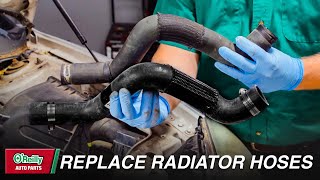
🎬 See this walkthrough on replacing upper and lower radiator hoses.Frequently Asked Questions (FAQ)
How often should I replace the radiator hoses on my LTD?
For a classic car that sees regular use, a good rule of thumb is to inspect them annually and plan on replacing them every 4-5 years as preventative maintenance, even if they look okay. Rubber degrades over time, not just with mileage.
Should I use a specific type of coolant?
For these vintage Fords, a traditional "green" Inorganic Additive Technology (IAT) coolant is generally the correct choice. Mixing coolant types can cause gelling and damage the cooling system. Always use a 50/50 mix of coolant and distilled water.
Can I use a universal or flex hose?
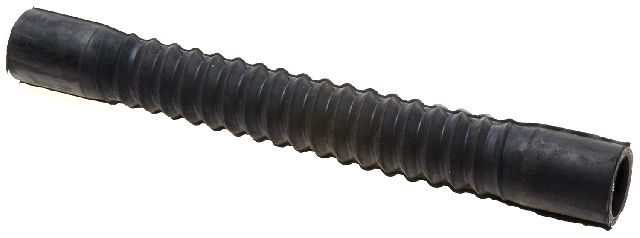
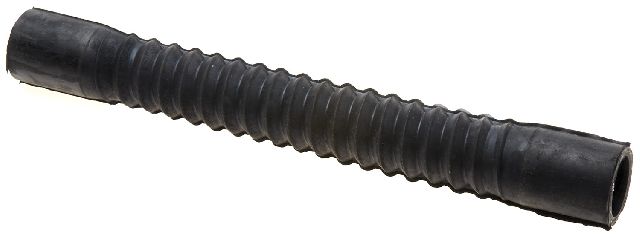
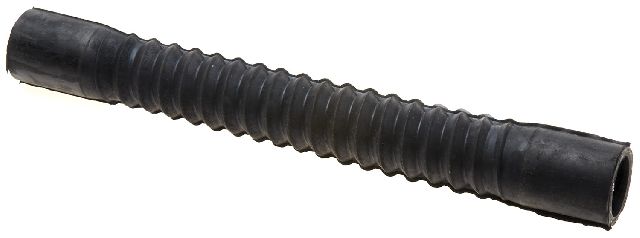
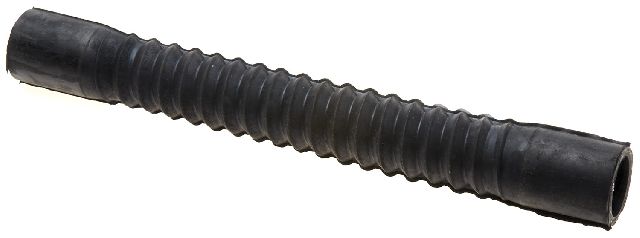
It is strongly recommended to use a pre-molded hose designed for your LTD's specific engine. Molded hoses are shaped to avoid contact with moving parts like fan belts. A universal or flexible hose may kink or rub against other components, leading to premature failure.
What is the most common mistake when ordering?
The 1965-1969 Ford LTD was available with several different V8 engines (and some 6-cylinders). The size and shape of the radiator hoses can vary depending on the engine and radiator configuration. Always verify that the part you are ordering is correct for your specific engine size (e.g., 289, 390, 428) to ensure proper fitment.
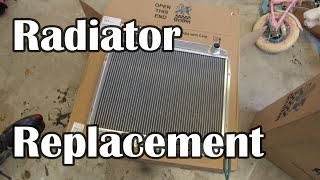
🎬 Watch: Radiator and hose replacement on a classic Ford Galaxie.Helpful Videos


Technical Specifications
OEM Part Numbers: C5AE-8260-E C5AE-8286-C
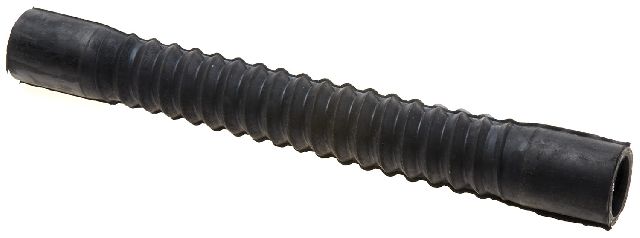
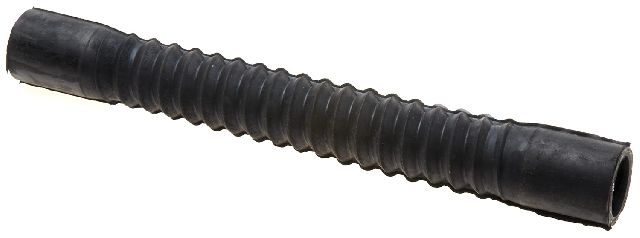
Hoses for the 1965-1969 Ford LTD are pre-molded to fit specific engine configurations. They are typically made from EPDM (Ethylene Propylene Diene Monomer) rubber, which is resistant to heat, ozone, and electrochemical degradation. The lower hose often contains a steel spring to prevent collapse under suction from the water pump.
We Have This Part in Stock

The information in this article is provided for general reference and educational purposes only. Vehicle specifications, procedures, and part compatibility can vary by production date, trim level, and region. Always consult your vehicle's factory service manual and verify part numbers before purchasing or performing repairs. Safety-critical components such as airbags, seat belts, and braking systems should be installed by a qualified professional.