

A Guide to Spark Plugs for the 1965-1970 Chevrolet Corvette
Keep your classic Corvette's V8 engine firing on all cylinders with the correct set of new aftermarket spark plugs.
- For a stock 1965-1970 Corvette, traditional copper spark plugs from brands like ACDelco or NGK are an excellent and cost-effective choice.
- Always verify and set the spark plug gap to 0.035 inches before installation using a gap tool.
- Choosing the correct heat range is crucial, especially if your engine has been modified for performance.
- Access to some plugs can be tight, particularly around the brake booster or on big-block engines, but replacement is a very common DIY job.
Signs of Failing Spark Plugs in Your Corvette
Worn or fouled spark plugs can cause a number of noticeable problems. Because these classic Corvettes have carbureted engines and less advanced ignition systems than modern cars, they can be more sensitive to spark plug condition. Look out for these symptoms:
- Rough Idle: The engine may shake or vibrate more than usual when stopped.
- Engine Misfires: You might feel a hesitation or stumble during acceleration. In some cases, you'll hear a popping sound from the exhaust.
- Poor Acceleration: The car may feel sluggish and less responsive than normal.
- Reduced Fuel Economy: Worn plugs lead to inefficient fuel combustion, meaning you'll visit the gas station more often.
- Hard Starting: The engine may take longer to crank over before it starts, especially when cold.
Choosing the Right Aftermarket Spark Plugs
When selecting new spark plugs, you have several good options from reputable aftermarket brands. The choice often comes down to originality, performance needs, and how you use your Corvette.
OEM-Style vs. Modern Aftermarket
The original equipment manufacturer for your Corvette was ACDelco. Choosing ACDelco plugs is a great way to maintain factory originality. However, technology has advanced since the 1960s, and brands like NGK, Denso, and Bosch offer plugs with modern materials and designs that can provide excellent, reliable performance. Many Corvette owners and mechanics have strong preferences, with many praising NGK for its quality and reliability in these older engines.
What About Plug Material?
The original spark plugs for this era were Copper plugs. They are excellent electrical conductors and are very affordable, but they also have the shortest service life. For a classic car that isn't a daily driver, traditional copper plugs are a fantastic, budget-friendly choice. Modern options include Platinum and Iridium, which last much longer but are more expensive. For a stock or lightly modified classic Corvette, copper plugs changed at regular intervals are often all you need.
Understanding Brands
- ACDelco: The original choice for a factory-correct restoration. A reliable and safe bet for any stock engine.
- NGK: A highly respected brand among mechanics and enthusiasts, known for quality and consistent performance. Many consider them a top choice for classic cars.
- Autolite: A solid, affordable option that many owners have used with good results.
- Champion: A historic brand, though some enthusiasts feel their modern quality isn't what it used to be.
- Bosch, Denso, Accel: These are also quality brands offering various plug types, from standard copper to performance-focused designs.
Heat Range and Spark Plug Gap are Critical
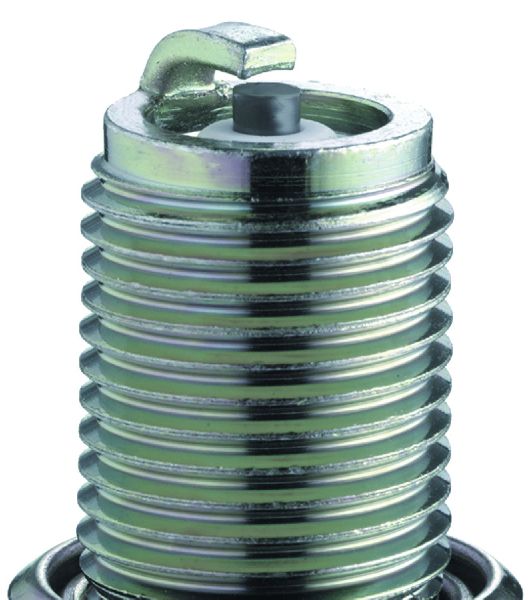
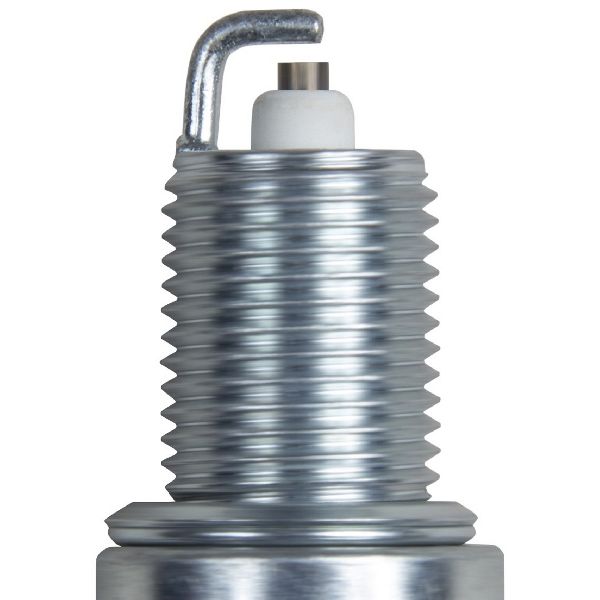
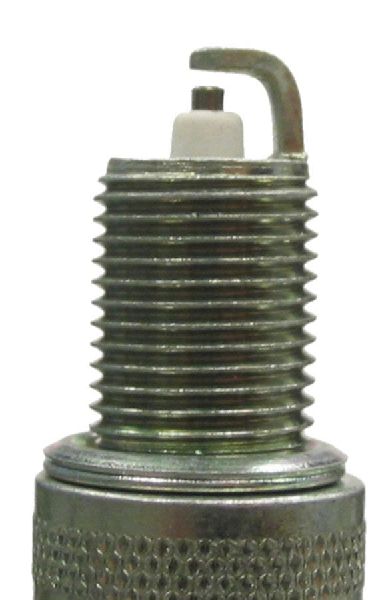
Heat Range: This refers to how quickly the plug dissipates heat. A stock engine needs a stock heat range. If your Corvette's engine is modified for higher performance, you may need a "colder" plug. Using the wrong heat range can lead to poor performance or even engine damage. Spark Plug Gap: This is the distance between the two electrodes at the tip of the plug. For a 1965-1970 Corvette with a stock points ignition, the gap is typically set to 0.035 inches. Always check and adjust the gap with a feeler gauge before installation; do not assume it is correct out of the box.
🎬 Learn how to gap your spark plugs properly before installation.Known Issues, Recalls, and Service Bulletins
For vehicles of this age, there are no specific recalls or technical service bulletins (TSBs) from NHTSA related to spark plugs. The most common issues are related to normal wear and the specific nature of older, carbureted engines:
- Fuel Fouling: Carburetors can sometimes run rich, leaving a dry, black, sooty deposit on the plugs. This can cause misfires.
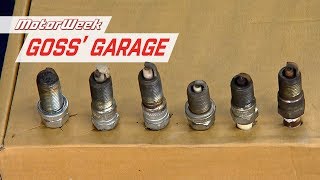
- Oil Fouling: In older engines with worn valve seals or piston rings, oil can leak into the combustion chamber and foul the plugs, leaving oily deposits. 🎬 See how to read your spark plugs to diagnose engine issues.
Aftermarket Spark Plug Cost for 1965-1970 Corvette
Your Corvette's V8 engine requires eight spark plugs. Prices are per plug, so you will need to multiply the cost by eight for a full set.
| Part Type | Price Range (Per Set of 8) | Notes |
|---|---|---|
| New Aftermarket (Copper) | $25 - $40 | The most common and budget-friendly choice (e.g., Autolite, standard NGK/ACDelco). Excellent for stock applications. |
| New Aftermarket (Iridium/Platinum) | $50 - $100+ | Longer-lasting plugs for those who prefer modern technology (e.g., NGK Iridium IX, Bosch Platinum). |
| Shop Labor | $125 - $250 | Typically 1-2 hours of labor. Access can be tight, especially on big-block engines. | 🎬 Watch: Step-by-step guide to replacing Corvette spark plugs and wires.
Frequently Asked Questions
How often should I change spark plugs on my classic Corvette?
For standard copper plugs, it's good practice to inspect them annually and replace them every 10,000 to 15,000 miles, or sooner if you notice performance issues. Since these cars are often not driven daily, time can be as much a factor as mileage. Fouled plugs are common on cars that are not driven regularly.
Do I need special spark plugs for my big-block (396, 427) engine?
While the basic design is the same, big-block engines may require a different heat range or a specific plug model number compared to small-block engines (327, 350). Always verify the correct part number for your specific engine and year. For example, an ACDelco R43XLS is often listed for 427 engines.
What is "indexing" a spark plug?
Indexing is a performance tuning technique where the spark plug is installed so the open side of the ground electrode faces the center of the combustion chamber. This can slightly improve combustion efficiency. For most street-driven cars, it is not a necessary step but is a practice used by some performance enthusiasts.
Should I use anti-seize on the spark plug threads?
Yes, applying a small dab of anti-seize compound to the plug threads is highly recommended, especially with aluminum cylinder heads. This prevents the plugs from getting stuck (galling), making them much easier to remove in the future. Use only a small amount and keep it off the electrode.
Helpful Videos
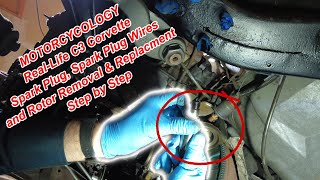

Technical Specifications
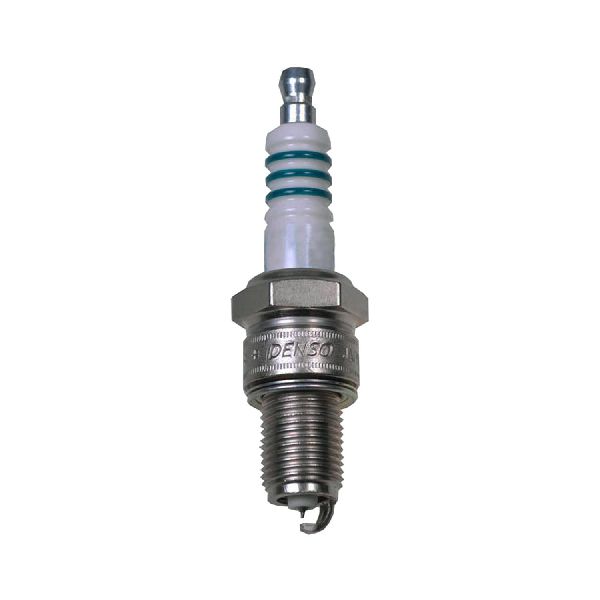
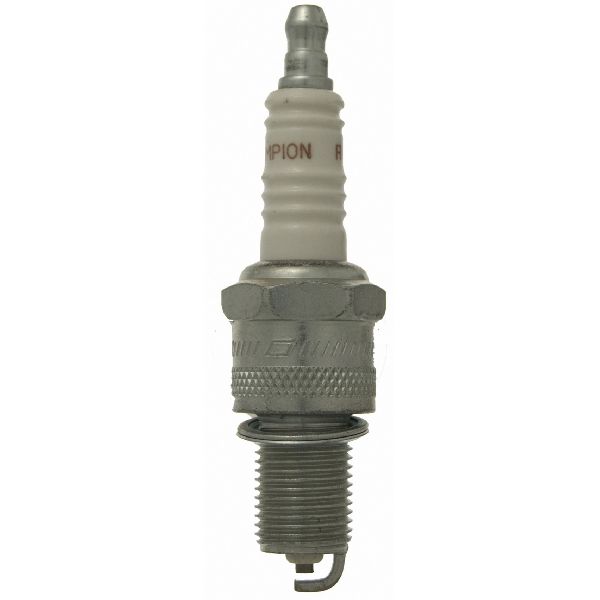
OEM Part Numbers: R45 R45S R43 R43XLS
Spark Plug Gap: 0.035 inches (for stock ignition systems). Thread Size: 14mm. Seat Type: Tapered. Number of Plugs Required: 8.
We Have This Part in Stock


The information in this article is provided for general reference and educational purposes only. Vehicle specifications, procedures, and part compatibility can vary by production date, trim level, and region. Always consult your vehicle's factory service manual and verify part numbers before purchasing or performing repairs. Safety-critical components such as airbags, seat belts, and braking systems should be installed by a qualified professional.
- 🎬 Helpful Videos
- 🛍️ Shop This Part
- Signs of Failing Spark Plugs in Your Corvette
- Choosing the Right Aftermarket Spark Plugs
- OEM-Style vs. Modern Aftermarket
- What About Plug Material?
- Understanding Brands
- Heat Range and Spark Plug Gap are Critical
- Known Issues, Recalls, and Service Bulletins
- Aftermarket Spark Plug Cost for 1965-1970 Corvette
- Frequently Asked Questions
- 🎟️ Get 5% Off