

1965-1970 Chevrolet Impala Automatic Transmission Mount: A Complete Guide
Stop the clunking and shaking in your classic Impala by understanding, diagnosing, and replacing your transmission mount.
- A clunk when shifting into gear is the most common sign of a bad transmission mount.
- Inspect your engine mounts. A major recall affected 1965-1970 models, and bad engine mounts will destroy a new transmission mount.
- Choose a standard rubber mount for a stock ride or a polyurethane mount for high-performance use and durability.
- Replacement is a simple DIY job that can be done in about an hour with basic tools.
Is Your Impala's Transmission Mount Failing?
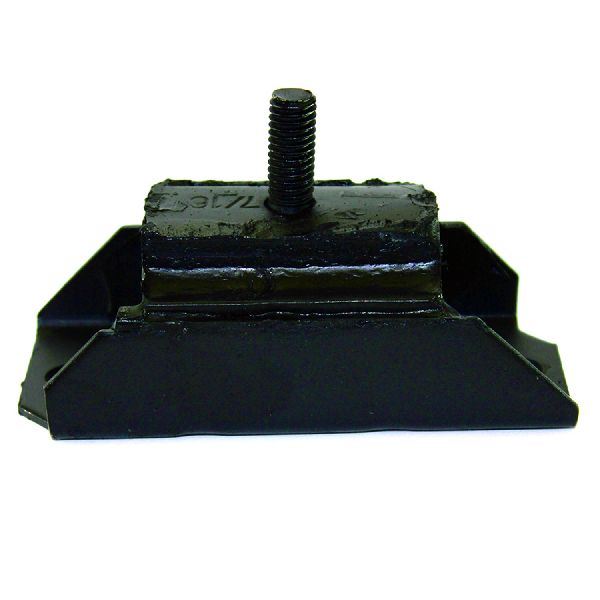
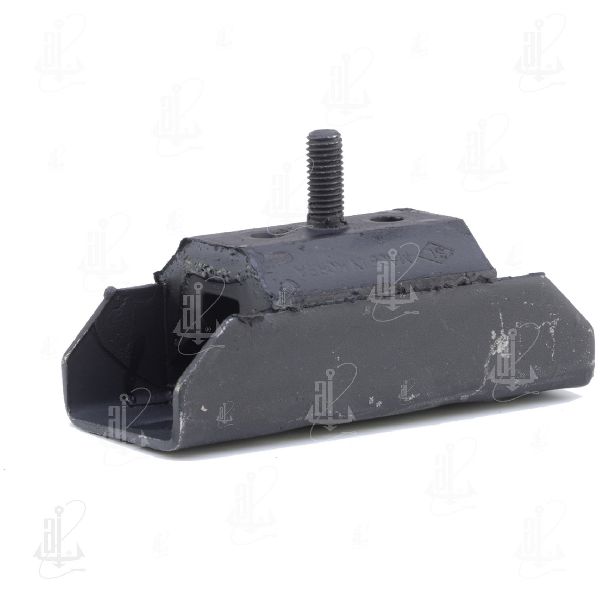
The transmission mount on a classic car like the 1965-1970 Impala is made of a metal bracket and a rubber block. After decades of heat, fluid exposure, and stress, the rubber breaks down. When it fails, it can no longer support the transmission properly or absorb vibrations. This leads to several noticeable problems.
Common Failure Symptoms
Listen and feel for these signs of a bad transmission mount:
- Clunking or Banging Noises: A loud clunk when you shift from Park into Drive or Reverse is a classic symptom. You might also hear banging when you accelerate or brake hard as the transmission lifts and hits the frame.
- Excessive Vibrations: If you feel a new, persistent vibration through the floor or seats, especially during acceleration, the old rubber mount is likely not absorbing it anymore.
- Visible Engine and Transmission Movement: A worn mount allows the entire drivetrain to move excessively. You might see the engine and transmission rock significantly when revved in Park with the brake on.
A Note on the 1965-1970 Engine Mount Recall
Many 1965-1970 GM vehicles, including the Impala, were part of a massive recall for defective engine mounts. A failed engine mount can cause the engine to lift, potentially jamming the throttle open. This failure also puts extreme stress on the transmission mount, causing it to fail prematurely. Many recalled vehicles had a restraint cable installed rather than a new mount. It is critical to inspect your engine mounts; if they are bad, your new transmission mount will not last long.
Choosing the Right Aftermarket Mount
Original GM mounts for this era are not readily available new. The aftermarket offers several options that fit and function correctly. They generally fall into two categories: standard rubber replacements and performance polyurethane upgrades.
| Brand Tier | Brands | Material | Best For |
|---|---|---|---|
| Good (Economy) | Anchor, DEA, Westar, Pioneer | Rubber | Daily drivers and budget-conscious restorations where originality is not the primary concern. These provide ride quality similar to stock. |
| Best (Performance) | Prothane | Polyurethane | Modified cars, high-horsepower engines, or owners who want maximum durability. Polyurethane is much stronger than rubber but can transmit more vibration into the cabin. |
Pro Tip: Check Your Transmission Type
The 1965-1970 Impala could be equipped with different automatic transmissions, like the Powerglide, TH350, or TH400. While many mounts are interchangeable, the crossmember location can differ, especially for the TH400. Always verify the mount fits your specific transmission before ordering. Some aftermarket mounts are designed to work with multiple GM transmissions.
Frequently Asked Questions
How hard is it to replace a transmission mount on a '65-'70 Impala?
It's a straightforward job for a DIY mechanic. You'll need a jack, jack stands, and basic hand tools. The process involves supporting the transmission with a jack, removing the bolts holding the mount to the crossmember and transmission, and swapping in the new part. Total time is usually under an hour.
Should I replace my engine mounts at the same time?
Yes, it's highly recommended. As mentioned, these cars had issues with engine mount failure. Worn engine mounts will quickly destroy a new transmission mount. Replacing them all at once ensures a stable and smooth-running drivetrain.
What is the difference between a rubber and a polyurethane mount?
Rubber mounts, like the originals, are soft and provide excellent vibration absorption for a comfortable ride. Polyurethane is a much stiffer and more durable plastic that doesn't degrade from oil or heat. It's great for performance but may cause a noticeable increase in cabin vibration.
Were there any recalls for the transmission mount itself?
No, the major recall for this period (NHTSA Campaign ID 71V235000) was for the engine mounts on V8 models. There were no specific recalls found for the automatic transmission mount on the 1965-1970 Chevrolet Impala.
Technical Specifications
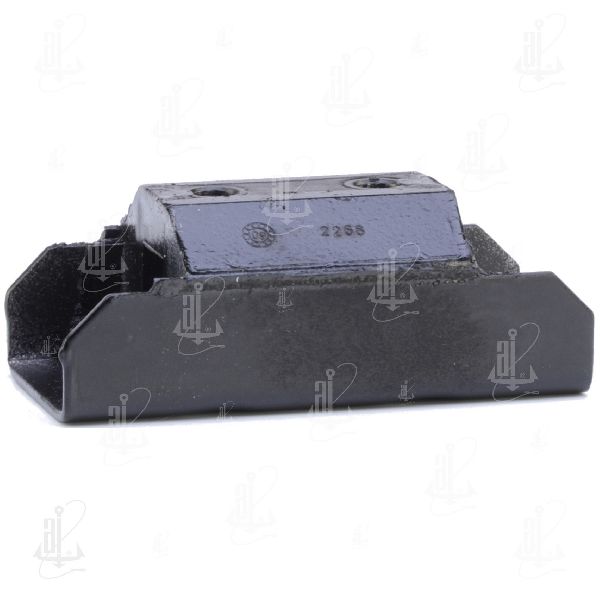
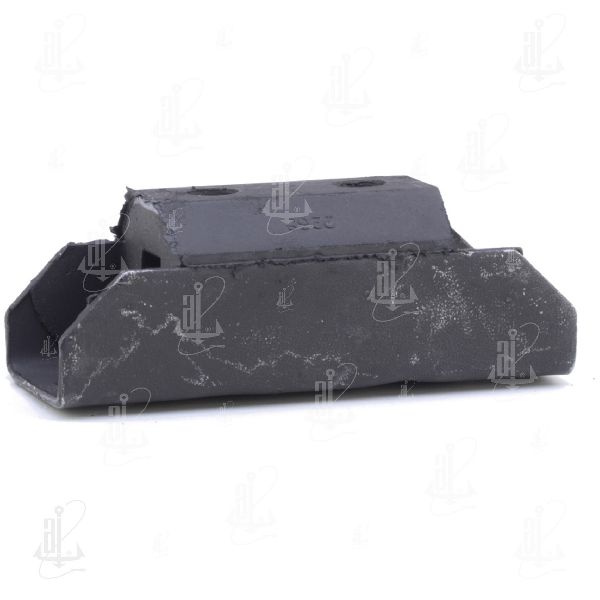
The standard mount consists of a steel bracket with a bonded rubber insert. It typically attaches to the transmission tailshaft housing with two bolts and to the frame crossmember with a single stud and nut. Polyurethane versions replace the rubber with a more durable, stiffer material.
We Have This Part in Stock


The information in this article is provided for general reference and educational purposes only. Vehicle specifications, procedures, and part compatibility can vary by production date, trim level, and region. Always consult your vehicle's factory service manual and verify part numbers before purchasing or performing repairs. Safety-critical components such as airbags, seat belts, and braking systems should be installed by a qualified professional.