

A Guide to Spark Plugs for the 1965-1970 Chrysler Newport
Keep your classic Newport's big V8 firing on all cylinders with the correct set of plugs.
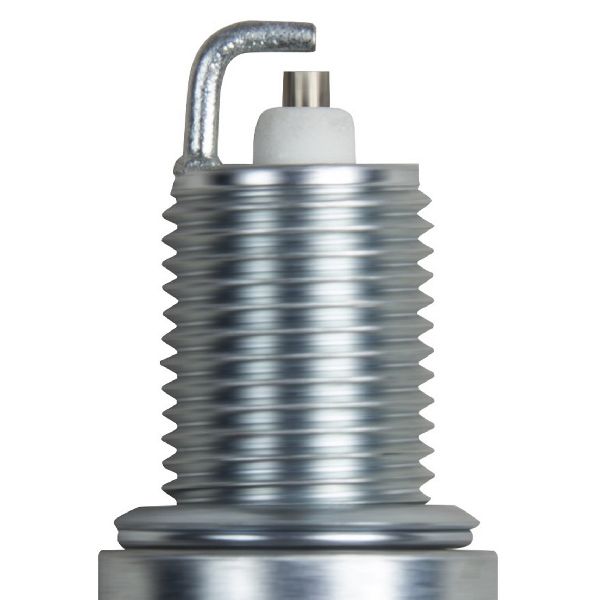
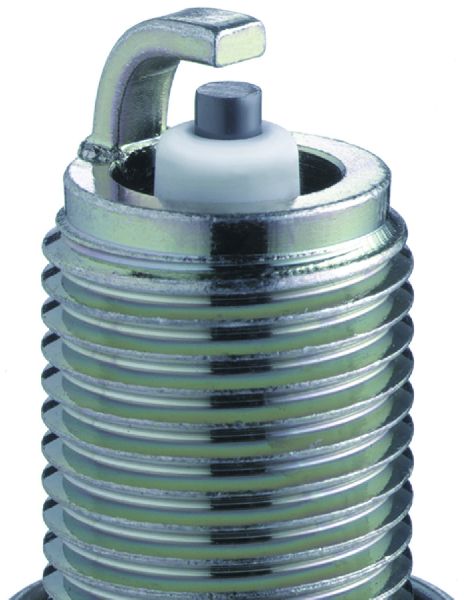
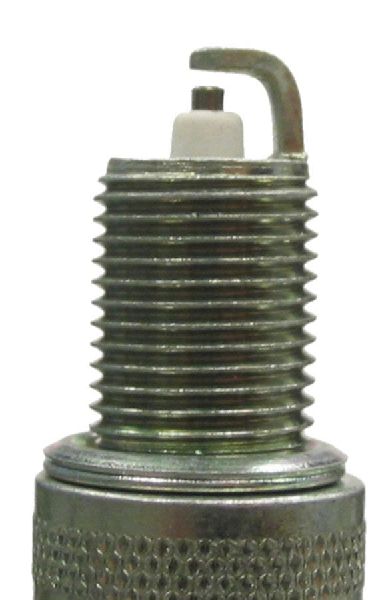
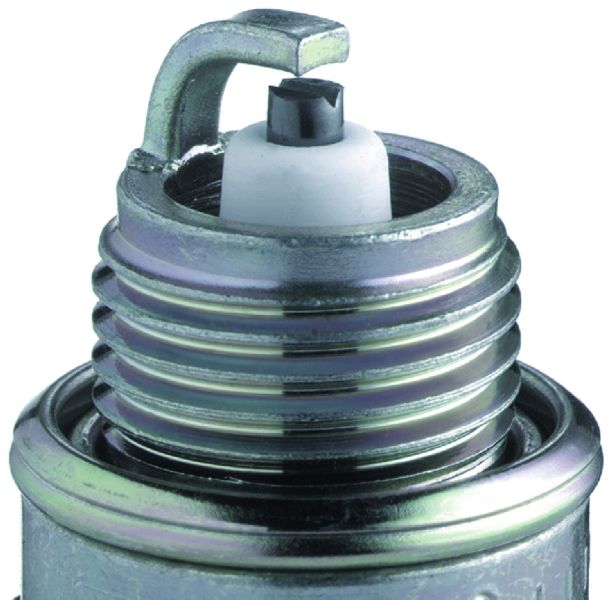
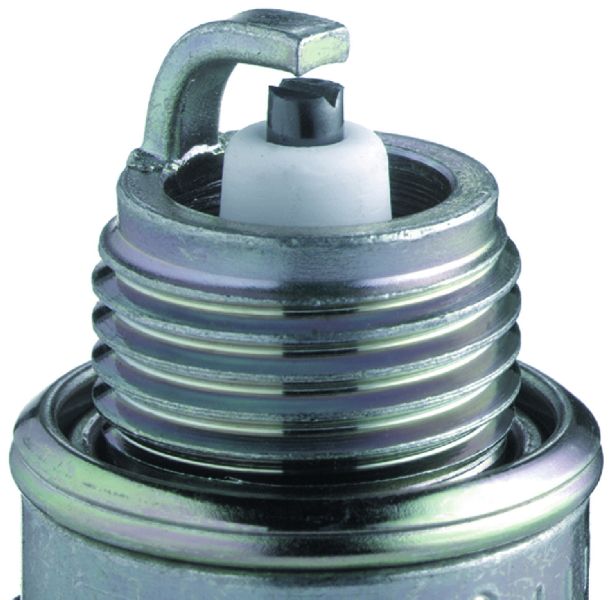
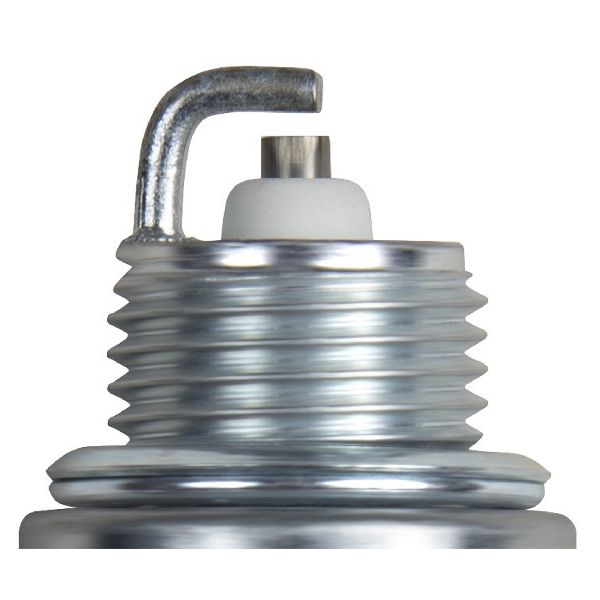
- Stick with standard copper-core spark plugs from brands like Champion, Autolite, or NGK for the best performance in a stock engine.
- Avoid expensive platinum or iridium plugs; they offer no benefit for the Newport's original ignition system.
- Always verify the spark plug gap is set to 0.035 inches before installation, regardless of the brand.
- This is a simple and inexpensive DIY maintenance item that can significantly improve engine performance and smoothness.
Signs of Failing Spark Plugs
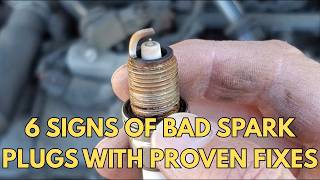
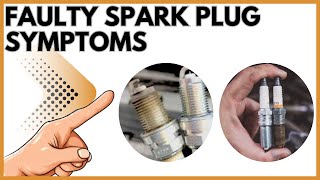
When your spark plugs are wearing out, your Newport's engine will let you know. You might notice one or more of these symptoms. A fouled or failing plug can't create the strong spark needed for good combustion.
🎬 Watch: See these common symptoms of bad spark plugs.- Rough Idle: The engine may shake or vibrate more than usual when the car is stopped.
- Poor Acceleration: The car may feel sluggish or slow to respond when you press the gas pedal.
- Engine Misfires: You might feel a hesitation or stumble from the engine during acceleration.
- Reduced Fuel Economy: If you're filling up the tank more often, bad plugs could be the cause. Inefficient combustion wastes fuel.
- Difficulty Starting: Weak or fouled plugs can make it harder for the engine to turn over, especially when cold.
Choosing the Right Aftermarket Spark Plug
For a vintage vehicle like the 1965-1970 Newport, the line between 'OEM' and 'aftermarket' is blurry. Brands like Champion and Autolite were often the original equipment suppliers for Chrysler during this era. The key is choosing the right type of plug, not necessarily the most expensive one.
Stick with Standard Copper Plugs
The ignition systems in these classic Mopars were designed to work with standard copper-core spark plugs. They provide a strong spark and excellent performance for these engines. Modern, expensive plugs made from platinum or iridium are not necessary and may not provide any benefit in a stock Newport engine. Save your money and stick with what works.
Brand Tiers for Your Newport
Based on owner feedback and proven performance in classic Mopar V8s, here’s how the available brands stack up:
- Standard & Recommended (Best Choice): Champion, Autolite, and NGK are the go-to choices for most Newport owners. Champion was often the factory plug. Autolite and NGK's standard copper plugs (like the V-Power series) are highly regarded by Mopar enthusiasts for their reliability and performance. You cannot go wrong with a standard copper plug from any of these three brands.
- Quality Alternatives: Denso and Accel are also reputable brands that produce quality spark plugs. While less commonly mentioned for this specific vehicle in forums, their standard copper plugs are a perfectly acceptable choice if you find a good deal or have had good experiences with them in the past.
Check The Gap!
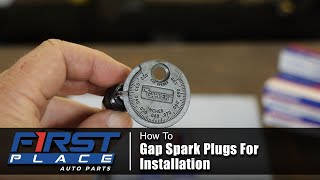
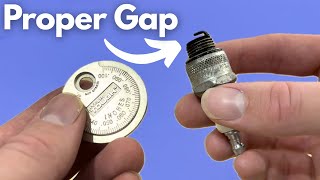
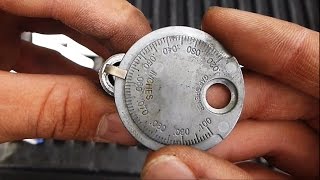
No matter which brand you choose, always check the spark plug gap before installation. The correct gap for most 1965-1970 Newport V8 engines is 0.035 inches. Most plugs come pre-gapped, but they can be knocked out of adjustment during shipping. Use a feeler gauge or a gapping tool to verify the gap is correct.
🎬 Watch: How to properly gap your new spark plugs.Cost of Aftermarket Spark Plugs
The cost for spark plugs for your Newport is very reasonable. The price range reflects the cost of a single standard copper plug on the low end, and a full set of eight premium or specialty plugs on the high end.
| Product | Price Range |
|---|---|
| New Aftermarket Spark Plugs | $3.50 - $81.18 |
Note: Price range covers individual plugs and full sets of eight. For a full set of standard, recommended copper plugs, expect to pay on the lower end of this range.
Frequently Asked Questions (FAQ)
How often should I change the spark plugs on my Newport?
For a classic car using standard copper plugs, a good rule of thumb is to inspect them annually and replace them every 10,000 to 20,000 miles, or every few years, as part of a regular tune-up. Since these cars are often not daily drivers, time can be as much a factor as mileage.
What is a resistor spark plug and do I need one?
Resistor plugs (often marked with an 'R' in the part number, like RJ12YC) were designed to reduce radio frequency interference (RFI) that could cause static in your AM radio. If you are running original-style solid core spark plug wires, resistor plugs can help. If you are using modern, carbon-core suppression wires, you don't strictly need resistor plugs, but using both won't cause any harm.
Why shouldn't I use expensive Iridium or Platinum plugs?
The main benefit of iridium and platinum plugs is longevity, which is achieved in modern, high-energy ignition systems. The stock ignition system on a 1965-1970 Newport was not designed for them. You will not see a performance gain, and you'll be spending much more money than necessary. Standard copper plugs are the best match for your vehicle's original engineering.
Is replacing the spark plugs a DIY job?
Yes, for most people with basic hand tools, this is a very achievable DIY task. You will need a ratchet, a spark plug socket (a 13/16" thin-wall socket is often recommended for Mopar engines), and a spark plug gap tool. Some plugs may be easier to reach from underneath the car. Always work on a cool engine and apply a small amount of anti-seize compound to the new plug's threads.
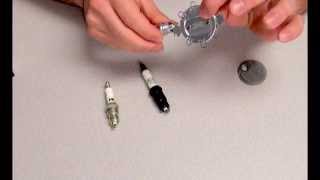
🎬 Watch: Tips for installing plugs on a big block Mopar.Helpful Videos


Technical Specifications
OEM Part Numbers: J14Y RJ12YC RJ14YC
Spark Plug Gap: 0.035 in (0.89 mm) Hex Size: 13/16"
We Have This Part in Stock

The information in this article is provided for general reference and educational purposes only. Vehicle specifications, procedures, and part compatibility can vary by production date, trim level, and region. Always consult your vehicle's factory service manual and verify part numbers before purchasing or performing repairs. Safety-critical components such as airbags, seat belts, and braking systems should be installed by a qualified professional.