

Mercury Colony Park Starter Replacement Guide for 1965-1970 Models
Solve common starting problems like slow cranking and heat soak in your classic Mercury wagon.
- A common issue is 'heat soak,' where the starter fails to crank a warm engine; a modern high-torque aftermarket starter is the best solution.
- Symptoms like a loud click, slow cranking, or grinding noises are strong indicators of starter failure.
- Before replacing the starter, always confirm your battery is good and the cable connections are clean and tight.
- Replacing the starter is a straightforward DIY job on these classic wagons that can be done with basic tools.
Is Your Colony Park Starter Failing?
A starter motor rarely fails without giving some warning signs. For a classic wagon like the 1965-1970 Colony Park, these symptoms are often straightforward and should be addressed before you get stranded.
A Common Problem: Heat Soak
A very common issue for classic Ford and Mercury vehicles with big-block FE engines, like the 390 V8 in your Colony Park, is 'heat soak'. This happens when the starter, located close to the hot exhaust manifold, gets so hot after a drive that its internal electrical resistance increases. The result is slow, labored cranking or just a single 'click' when you try to restart the engine while it's still warm. While the original-style starters were known for this, modern aftermarket replacements are designed to solve the problem.
Choosing the Right Aftermarket Starter
For a vehicle of this vintage, finding a "new old stock" (NOS) OEM starter is extremely rare and expensive. The practical choice is a new aftermarket part. Unlike many modern cars where aftermarket is just a copy of the original, for the Colony Park, a new starter is a significant upgrade. Most new aftermarket starters are high-torque, gear-reduction units (often called 'mini-starters'). These are smaller, lighter, and provide more cranking power than the heavy, original-style starter, making them much less likely to suffer from heat soak.
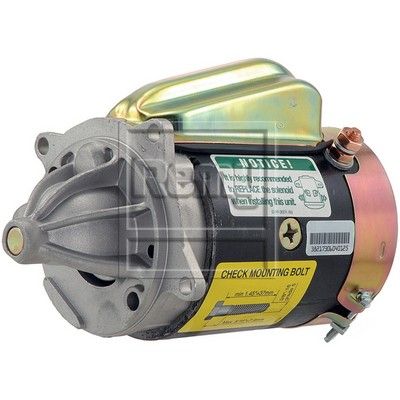
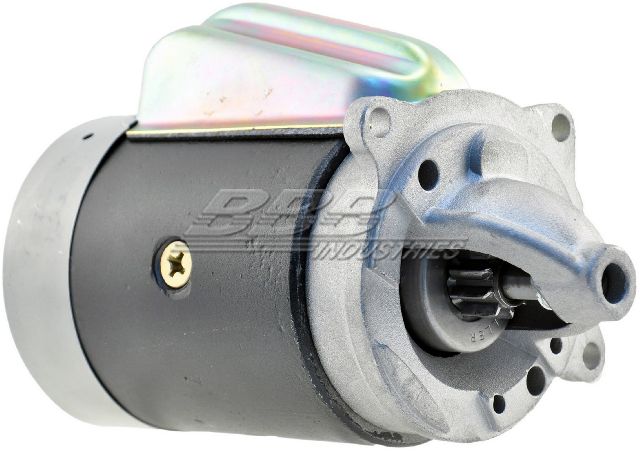
Available Brands: BBB Industries & Remy
Both BBB Industries and Remy are established names in the aftermarket for electrical parts like starters and alternators. BBB Industries is a major remanufacturer that supplies parts for many auto parts stores, processing them to meet original standards. Remy is also a popular choice, with many users reporting good success with the brand. However, as with any mass-market aftermarket part, some users have reported premature failures. For a classic vehicle, either brand's new starter will likely offer an improvement over a worn-out original, especially in solving heat-soak issues.
First, Check the Basics
Many starter failure symptoms can also be caused by other, simpler issues. Before replacing your starter, always test your battery and clean the battery terminals and cable ends. Also, check the fender-mounted starter relay (often called a solenoid on these Fords). If you hear a loud click from the fender area when you turn the key but the starter does nothing, the relay is likely working and the starter itself is the problem.
Estimated Replacement Costs
| Part or Service | Estimated Cost |
|---|---|
| New Aftermarket Starter | $119 - $121 |
| Shop Labor | $120 - $240 |
| Total Estimated Cost | $239 - $361 |
Frequently Asked Questions (FAQ)
Is replacing the starter a difficult DIY job?
For a 1965-1970 Colony Park, this is a very feasible job for a DIYer with basic hand tools. The process involves disconnecting the battery, safely raising the vehicle, removing two or three mounting bolts, and disconnecting the electrical wires. Access is generally much better on these older cars than on modern vehicles.
Will a new aftermarket starter fix my hot-start problems?
Yes, in most cases. Modern gear-reduction mini-starters are less affected by heat and have more power to crank a hot engine, which directly addresses the common 'heat soak' issue found on these vehicles. For extra protection, especially if you have aftermarket exhaust headers, you can also add a starter heat shield or wrap.
What is the difference between the starter and the solenoid?
On your Colony Park, the main starter relay, which many people call the solenoid, is typically mounted on the fender wall inside the engine bay. The starter motor itself is mounted to the engine block. When you turn the key, the fender relay sends power to the starter motor and its attached solenoid (Bendix drive), which engages the gear with the flywheel. Some modern starters come with their own solenoid integrated, which may require a minor wiring change during installation.
Were there any recalls for the starter on my Colony Park?
No. Searches of the National Highway Traffic Safety Administration (NHTSA) database show no recalls or specific technical service bulletins (TSBs) for the starter motor on 1965-1970 Mercury Colony Park models. Any problems you experience today are due to the age and normal wear of the 50+ year-old components.
Technical Specifications
The original starter is a large, direct-drive unit with a fender-mounted remote solenoid. Most new aftermarket replacements are high-torque, gear-reduction 'mini-starters'. Compatibility depends on the specific V8 engine (e.g., 390, 428) and transmission type (automatic/manual), which affects the required starter nose and gear.
We Have This Part in Stock

The information in this article is provided for general reference and educational purposes only. Vehicle specifications, procedures, and part compatibility can vary by production date, trim level, and region. Always consult your vehicle's factory service manual and verify part numbers before purchasing or performing repairs. Safety-critical components such as airbags, seat belts, and braking systems should be installed by a qualified professional.