

Your Complete Guide to 1965-1970 Mercury Comet Engine Mounts
Stop the shaking and clunking by choosing the right new engine mount for your classic Comet.
- Symptoms of a bad mount are obvious: clunking noises, cabin vibrations, and visible engine rocking.
- For most owners, a standard aftermarket brand like Anchor, DEA, or Westar is a perfectly good, affordable choice.
- If you have a high-performance engine or drive aggressively, consider Lakewood mounts for their durability, but expect more vibration.
- Always check your transmission mount at the same time, as a failure in one puts stress on the others.
Is Your Comet's Engine Mount Failing?
After more than 50 years, the original rubber on your engine mounts has likely seen better days. Heat from the engine, exposure to oil, and age itself cause the rubber to get hard, crack, or completely separate from its metal frame. When this happens, the signs are usually easy to spot and feel.
Common Failure Symptoms:
- Excessive Vibration: This is the most common symptom. You'll feel a new or worsening vibration through the steering wheel, floor, or seats, especially when the car is idling in gear.
- Clunking or Thumping Noises: A loud "clunk" or "bang" when you accelerate, put the car in gear, or shut the engine off is a classic sign. This is the sound of the engine lifting or shifting and hitting other parts.
- Visible Engine Movement: With the hood open, you can often see the engine move excessively. Have a friend safely hold the brakes and shift from Drive to Reverse; if the engine rocks back and forth more than an inch or so, the mounts are likely worn out.
Check Your Transmission Mount, Too
The engine mounts and the transmission mount work together as a system. A bad transmission mount will put extra stress on the engine mounts, and vice-versa. It's a smart idea to inspect your transmission mount when you're working on the engine mounts.
Choosing the Right Aftermarket Mount
Since new original Ford (OEM) mounts for this car are no longer made, the aftermarket is your only option. The good news is that several brands make replacements that fit the 1965-1970 Comet. They generally fall into two categories: standard replacement and performance.
Standard OE-Style Replacements
Brands: Anchor, DEA, Westar, Pioneer Cable
These brands produce affordable, direct-fit replacements that are designed to restore the original ride quality. For a daily driven or stock Comet, these are the right choice. Forum discussions among classic car owners suggest there is little noticeable quality difference between these economy brands for this type of simple mount; they are all considered functional and will solve the problems of a completely failed original. They are designed to be a budget-friendly solution that gets the job done.
Performance Mounts
Brand: Lakewood
Lakewood offers "Muscle Motor Mounts" made with a stronger steel frame and harder rubber (durometer). The main benefit is that they significantly reduce engine movement, which is ideal for performance driving or cars with modified engines. Many also feature a safety interlock design that physically catches the engine if the rubber ever fails, preventing excessive movement. The trade-off is that the harder rubber transmits more engine vibration into the cabin, so your car will feel less smooth at idle compared to standard mounts.
V8 vs. 6-Cylinder Mounts
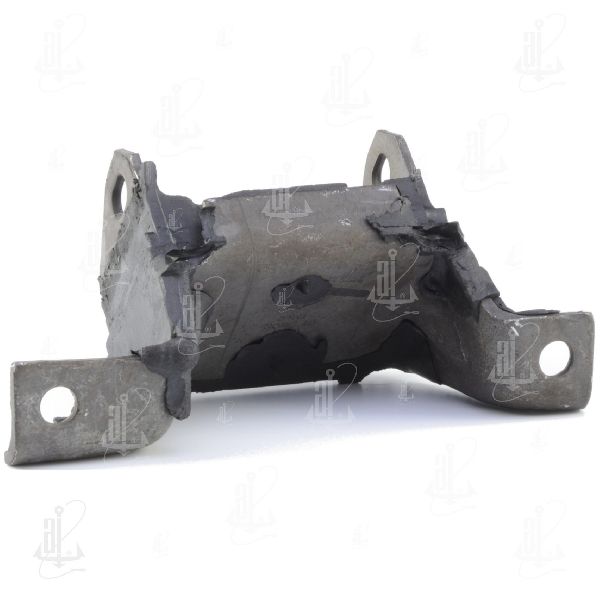
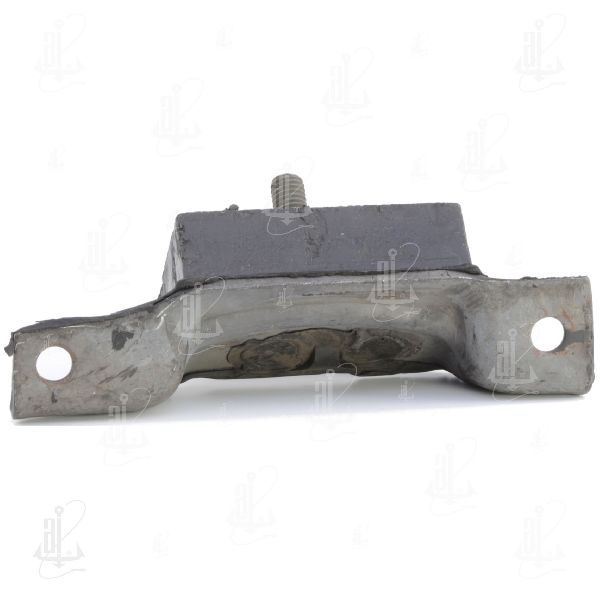
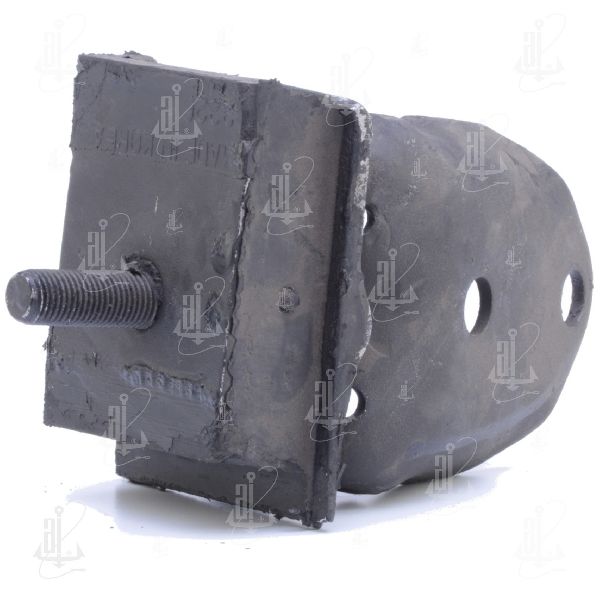
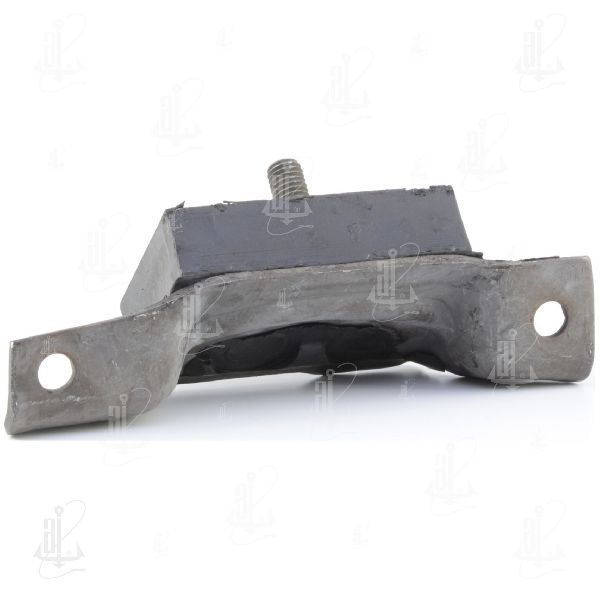
The mounts used for the small-block V8 engines (289, 302) are different from those used for the inline-6 engines (170, 200, 250). There are also different styles, sometimes called "stud-type" or "ear-type". Always verify that the part you are buying is correct for your specific engine and year before ordering.
Engine Mount Replacement Cost
The cost to replace engine mounts on a '65-'70 Comet is very reasonable, especially if you can do the work yourself. The parts are inexpensive, and the job is straightforward.
| Item | Estimated Cost |
|---|---|
| New Aftermarket Mounts (Pair) | $25 - $90 |
| Shop Labor | $150 - $300 |
| Total Estimated Cost | $175 - $390 |
Frequently Asked Questions
How many engine mounts does my 1965-1970 Comet have?
Your Comet has two engine mounts (one on each side of the engine) and one transmission mount at the rear of the transmission.
Is it hard to replace engine mounts myself?
For a home mechanic with a good set of tools, this is a very doable DIY job. It requires safely supporting the engine with a jack and a block of wood, unbolting the old mounts, and bolting in the new ones. The most common challenge is dealing with rusty bolts. It's best to replace them one side at a time to keep the engine aligned.
Are there any recalls for Comet engine mounts?
No, there have been no recalls or major Technical Service Bulletins (TSBs) issued by the NHTSA for engine mounts on the 1965-1970 Mercury Comet.
What is a "safety interlock" on an engine mount?
This is a design feature where the metal parts of the mount will catch each other if the rubber portion fails completely. This prevents the engine from lifting excessively, which could cause the throttle to stick open or damage other components. This feature became more common after some issues with GM vehicles in the late 1960s.
Technical Specifications
OEM Part Numbers: C4AA-6038-A
Construction: Vulcanized rubber bonded to steel plates. Most 1965-1970 Comets use two engine mounts and one transmission mount. Mount style (stud-type vs. ear-type) varies by engine and year.
We Have This Part in Stock


The information in this article is provided for general reference and educational purposes only. Vehicle specifications, procedures, and part compatibility can vary by production date, trim level, and region. Always consult your vehicle's factory service manual and verify part numbers before purchasing or performing repairs. Safety-critical components such as airbags, seat belts, and braking systems should be installed by a qualified professional.