

A Guide to Replacing Drum Brake Wheel Cylinders on a 1965-1971 Cadillac Fleetwood
Keep your classic Cadillac's braking system reliable and safe by understanding how to choose the right aftermarket wheel cylinders.
- A leaking wheel cylinder is a critical safety failure; do not drive the vehicle if you suspect a leak.
- Always replace wheel cylinders in pairs (both rear wheels) to ensure balanced braking.
- When a wheel cylinder leaks, the brake shoes become contaminated and must also be replaced.
- Use a flare nut wrench (line wrench) to remove the brake line to avoid stripping the fitting.
Symptoms of a Failing Wheel Cylinder
A bad wheel cylinder is a serious safety issue. Because it's a hydraulic part, any failure can lead to a loss of braking ability. Watch for these common signs.
- Spongy or Soft Brake Pedal: If the pedal feels mushy or sinks toward the floor when you hold it down, it's a classic sign of a leak in the hydraulic system, often from a wheel cylinder.
- Visible Brake Fluid Leaks: Look for wetness or dark streaks on the inside of your rear tires or on the brake backing plate. Leaking fluid can also drip onto the ground. Any brake fluid leak is dangerous and needs immediate attention.
- Contaminated Brake Shoes: When a wheel cylinder leaks, the brake fluid soaks the nearby brake shoes. This contamination ruins the friction material, severely reducing stopping power even after the cylinder is replaced. Fluid-soaked shoes must always be replaced.
- Pulling to One Side During Braking: If one wheel cylinder fails, it can cause uneven brake force, making the car pull to the left or right when you apply the brakes.
- Dragging or Locked Brakes: Corrosion inside the cylinder can cause the pistons to seize or stick. This can prevent the brake shoes from retracting, causing the brakes to drag, overheat, or even lock up.
Choosing the Right Aftermarket Wheel Cylinder
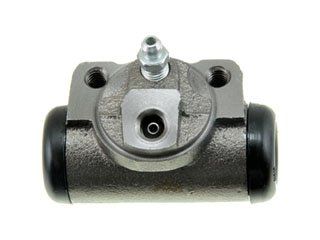
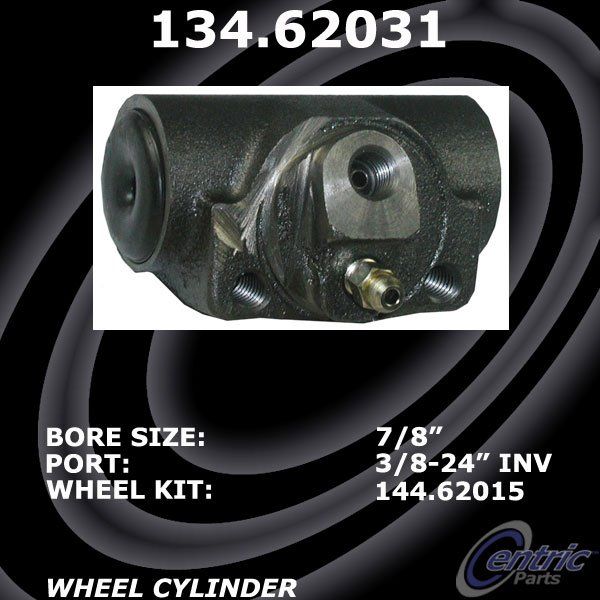
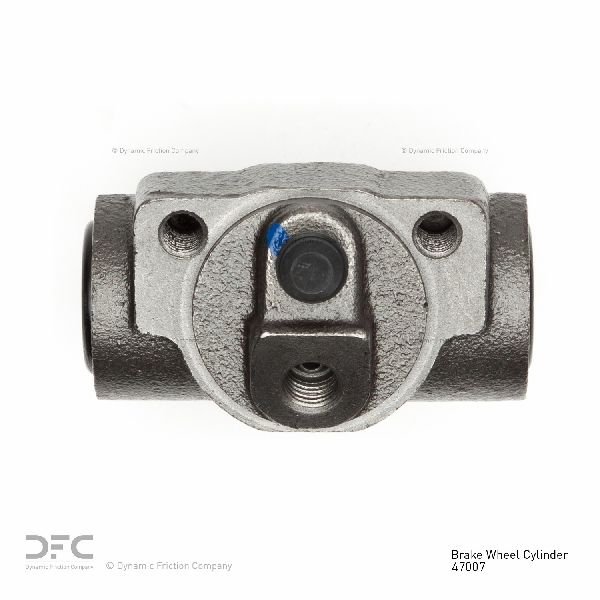
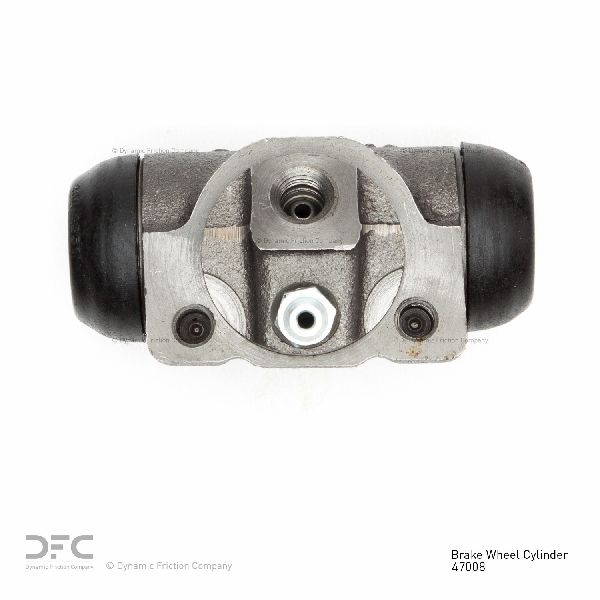
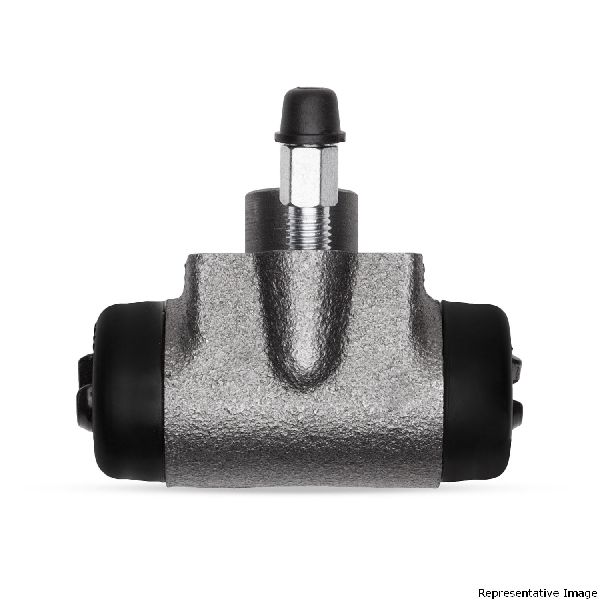
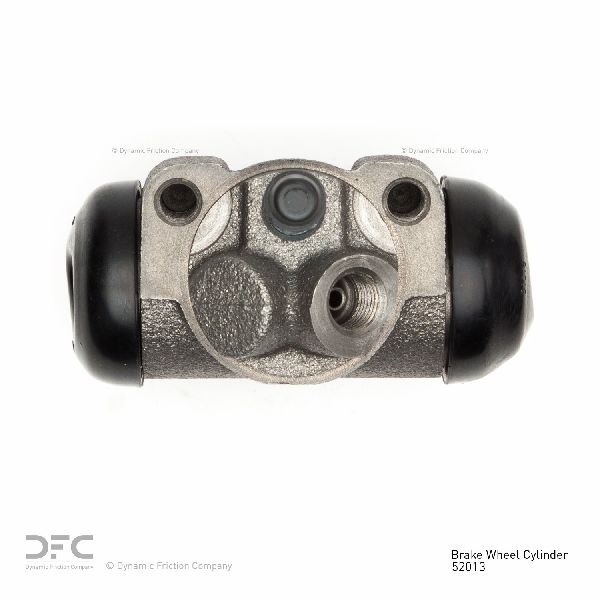
For a classic vehicle like the 1965-1971 Fleetwood, original OEM parts are no longer in production. Your options are new aftermarket parts, which are widely available and affordable. Brands like Centric, Dorman, Dynamic Friction, and Raybestos all produce replacements. Forum discussions among classic car owners show that while most of these parts are made overseas, quality is generally acceptable for regular driving.
Pro Tip: Replace in Pairs
It is highly recommended to replace wheel cylinders in pairs (both rear wheels at the same time). If one side has failed due to age, the other side is likely not far behind. This ensures even braking performance and saves you from doing the same job twice.
Brand Quality Tiers
While there isn't one single "best" brand, owner experiences provide some guidance:
- Standard Quality (Centric, Raybestos): Both Centric and Raybestos are well-known brake parts manufacturers. Some technicians have noted that Centric parts can have a better finish out of the box, while Raybestos has a very long history in the industry. For a daily driver or regular use classic, either brand is a reliable choice.
- Economy Options (Dorman, Dynamic Friction): These brands often provide a cost-effective solution. While they are functional, always inspect the part before installation to ensure the casting and threads are clean. Some users have occasionally reported fitment issues with Dorman parts on other classic vehicles.
Check for New Old Stock (NOS)
For restorers seeking originality, searching for New Old Stock (NOS) parts from brands like Delco Moraine (the original GM supplier) or older US-made Raybestos parts at swap meets or online is an option. However, even NOS parts can have hardened rubber seals from decades of storage and may need to be rebuilt.
Estimated Replacement Costs
The cost for a new aftermarket wheel cylinder for a '65-'71 Fleetwood is very reasonable. The main cost of the job is labor, whether you do it yourself or have a shop handle it.
| Part/Service | Estimated Cost |
|---|---|
| New Aftermarket Wheel Cylinder (Single) | $16.34 - $76.37 |
| Shop Labor (per axle) | $150 - $300 |
| Associated Parts (Recommended) | |
| Brake Shoes (per axle) | $30 - $60 |
| Brake Hardware Kit (per axle) | $15 - $30 |
| Brake Fluid | $10 - $20 |
Frequently Asked Questions (FAQ)
Do I have to bleed the brakes after replacing a wheel cylinder?
Yes, absolutely. Whenever you open the hydraulic system, air gets inside. You must bleed the brakes to remove all air bubbles. Trapped air will cause a spongy pedal and unsafe braking. It's a good idea to flush all the old brake fluid out at the same time, as it absorbs moisture over the years which causes corrosion.
Can I rebuild my original wheel cylinder?
Yes. If you want to keep the original parts on your car, rebuilding kits are available. These kits are inexpensive and typically include new rubber seals and boots. The process involves honing the inside of the cylinder bore to remove any rust or pitting and then installing the new components. This is a good option if the cylinder housing is in good condition.
What tools do I need to replace a wheel cylinder?
You will need standard hand tools, a floor jack and jack stands, a lug wrench, pliers for the brake springs, and importantly, a flare nut wrench (or line wrench) for the brake line. Using a regular open-end wrench on a brake line fitting can easily round it off, causing a major headache.
Are there any recalls for the 1965-1971 Fleetwood brakes?
Searches of the NHTSA database did not show any open recalls specifically for the drum brake wheel cylinders on these models. Due to the vehicle's age, any service campaigns or bulletins are long expired. Failures today are due to normal wear and tear over many decades.
Technical Specifications
The 1965-1971 Cadillac Fleetwood uses drum brakes on all four wheels (front disc brakes became standard in 1969 on some models but not all). Wheel cylinders are specific to front/rear and left/right positions. Ensure you order the correct part for your vehicle's specific year and axle.
We Have This Part in Stock

The information in this article is provided for general reference and educational purposes only. Vehicle specifications, procedures, and part compatibility can vary by production date, trim level, and region. Always consult your vehicle's factory service manual and verify part numbers before purchasing or performing repairs. Safety-critical components such as airbags, seat belts, and braking systems should be installed by a qualified professional.