

Choosing the Right Alternator for Your 1965-1971 Ford LTD
Keep your classic Ford LTD's electrical system reliable by understanding your alternator options.
- First, test the external voltage regulator and battery; they can mimic alternator failure and are common issues on these cars.
- Decide between a stock-output alternator (55-70 amps) for original cars or a high-output unit (100+ amps) if you've added modern electronics.
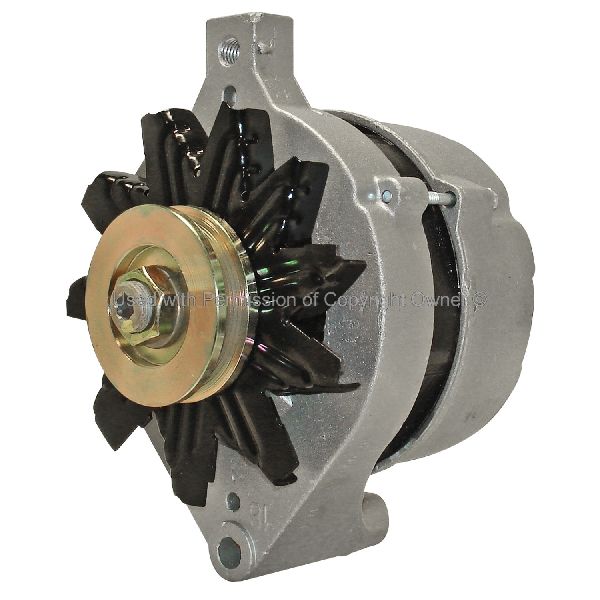
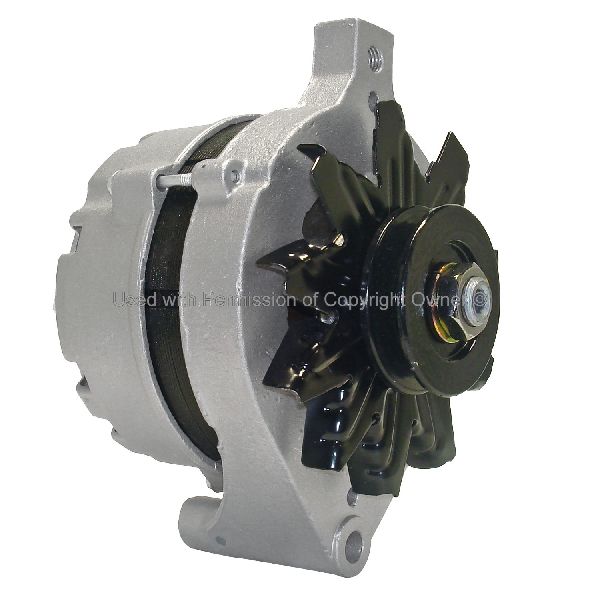
- Your LTD uses an externally regulated 1G alternator; upgrading to an internally regulated 3G or one-wire alternator is a popular, reliable modification but requires wiring changes.
- Brand quality varies; Powermaster is for performance builds, Remy offers solid OE-style replacements, and value brands like BBB are budget-friendly options.
Is Your LTD's Alternator Failing?
A failing alternator on a 1965-1971 Ford LTD will show clear signs. Because these classic cars have simpler electrical systems, symptoms are often easy to spot. Look for dimming headlights, especially at idle, or a battery that repeatedly dies. You might also see the "ALT" or "GEN" light on your dashboard flicker or stay on. In some cases, a bad alternator can cause a whining noise that changes pitch with engine speed, which is often a sign of failing bearings inside the unit. Before replacing the alternator, always check the battery and the external voltage regulator, as these can cause similar issues.
External vs. Internal Regulators
Your 1965-1971 LTD originally came with an externally regulated alternator, known as the Ford 1G. This means a separate part, the voltage regulator, is mounted on the firewall or radiator support. This regulator can fail and is often mistaken for a bad alternator. It's wise to test the regulator first. Many aftermarket alternators, especially high-output models, have an internal regulator (often called a "one-wire" alternator), which simplifies wiring but requires modifying the stock setup.
Choosing the Right Aftermarket Alternator
Finding a "New Old Stock" (NOS) Ford alternator is nearly impossible and very expensive. Aftermarket parts are the most practical and often superior choice for these vehicles. Your decision comes down to your car's needs: stock replacement or a high-output upgrade.
Brand & Quality Tiers
Not all aftermarket brands are the same. They generally fall into three categories:
- Performance / High-Output (Powermaster, Proform): These brands specialize in alternators for modified vehicles. If you have added electric fans, a powerful stereo, or electronic fuel injection, you need more power than the original 40-60 amp alternator can provide. Powermaster is a well-known brand in this space, offering units from 95 to over 200 amps. While powerful, some users on forums report reliability issues or lower-than-expected output at idle compared to other types like the Ford 3G upgrade. These are best for resto-mods and cars with high electrical demands.
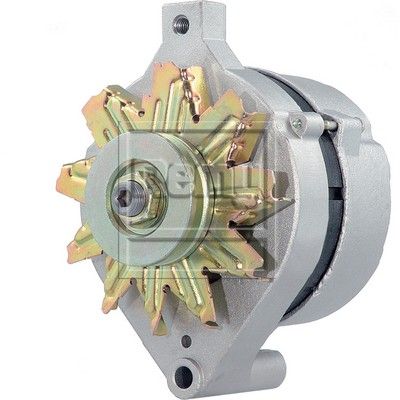
- OE-Style Replacement (Remy, some Bosch): Remy has a long history and was once part of GM's Delco-Remy division. They are a common choice for a reliable, stock-style replacement that performs similarly to the original part. While generally considered decent, some users have reported premature bearing failures on newer Remy units. Bosch is also a respected OE manufacturer, and their aftermarket parts are generally well-regarded.
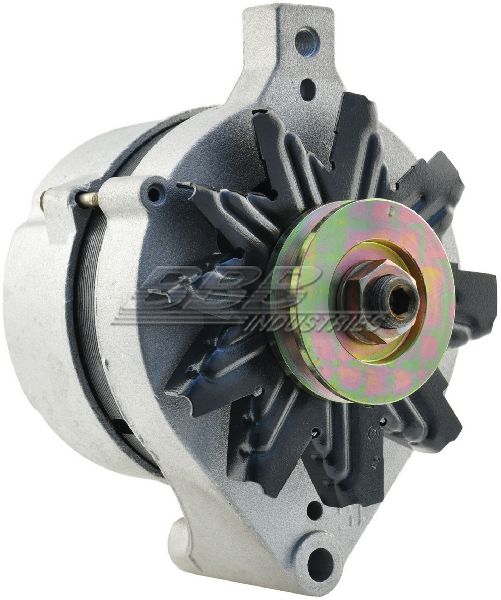
- Value-Oriented (BBB Industries, MPA, USA Industries): These brands offer a cost-effective solution for getting your LTD back on the road. BBB Industries is a large remanufacturer that supplies many auto parts stores. Quality can sometimes be inconsistent with value brands, but they often come with a good warranty. For a stock vehicle with minimal electrical load, these can be a perfectly adequate choice.
Pro Tip: Consider a 3G Upgrade
Many classic Ford owners choose to upgrade to a Ford 3G alternator, commonly found in 1990s Ford vehicles like the Taurus and Mustang. These units are known for their reliability and high output at idle. They are internally regulated and require some wiring modifications, but many companies sell kits to make the swap easier. This is often considered a more reliable and effective upgrade than some one-wire performance alternators.
Alternator Replacement Cost
The cost to replace the alternator on your LTD will vary based on the part you choose and whether you do the work yourself. The job is relatively simple for a DIY mechanic.
| Cost Category | Estimated Price |
|---|---|
| New Aftermarket Part | $86.63 - $314.76 |
| Shop Labor | $100 - $200 |
| Total Professional Replacement | $186.63 - $514.76 |
Frequently Asked Questions
Do I need a high-output alternator?
If your LTD is mostly stock, a standard replacement alternator (55-70 amps) is sufficient. If you have added modern accessories like a high-wattage stereo, electric cooling fans, fuel injection, or extra lighting, you should upgrade to a high-output alternator (100+ amps) to handle the extra load.
What's the difference between an external and internal regulator?
Your LTD came with an external voltage regulator, a separate box that controls the alternator's output. Many modern and high-output alternators have an internal regulator built-in. This simplifies the system and cleans up the engine bay, but requires wiring changes. The external regulator is a common failure point and should be tested before condemning the alternator.
How do I know if it's the alternator or just the battery?
A good test is to check the battery voltage with the engine off, then again with it running. With the engine off, a healthy battery should read around 12.4-12.6 volts. With the engine running, the voltage should increase to about 13.8-14.8 volts. If the voltage doesn't increase, the charging system (alternator or regulator) is likely at fault.
Is replacing the alternator a good DIY job?
Yes, for most people with basic tools. The alternator on these cars is usually easy to access at the front of the engine. The process involves disconnecting the battery, loosening the drive belt, unbolting the old alternator, and installing the new one. Always disconnect the battery's negative cable first to prevent short circuits.
Technical Specifications
OEM Part Numbers: D1ZF-10300-AA
Original alternators for the 1965-1971 Ford LTD were externally regulated (Ford 1G style) and typically ranged from 38 to 65 amps, depending on the engine and factory options like air conditioning. Upgrades often involve converting to an internally regulated, higher-amperage unit.
We Have This Part in Stock


The information in this article is provided for general reference and educational purposes only. Vehicle specifications, procedures, and part compatibility can vary by production date, trim level, and region. Always consult your vehicle's factory service manual and verify part numbers before purchasing or performing repairs. Safety-critical components such as airbags, seat belts, and braking systems should be installed by a qualified professional.