

Universal Joint Guide for the 1965-1971 Oldsmobile Delta 88
Address that clunking and vibration by choosing the right U-joints for your classic Delta 88.
- Listen for clunking, squeaking, and vibrations; these are the primary signs your U-joints are failing.
- For maximum strength and reliability, choose a non-greasable (sealed) U-joint from a top brand like Dana Spicer.
- While a DIY replacement is possible with the right tools, a mistake can lead to driveline vibrations, so proceed with caution.
- If a U-joint is failing, replace it immediately to avoid a catastrophic failure that could leave you stranded and cause more expensive damage.
Symptoms of a Failing Universal Joint
A bad U-joint gives you clear warning signs. Ignoring them can lead to a driveshaft failure, which can cause serious damage to the underside of your car and leave you stranded. Listen and feel for these symptoms:
- Clunking Noise: A distinct “clunk” or bang when you shift from Park into Drive or Reverse is a classic sign of a worn U-joint. You might also hear it when you get on or off the gas pedal quickly.
- Vibrations: You may feel a vibration through the floor or seat that gets worse as you speed up. This happens because the worn joint is causing the driveshaft to spin out of balance.
- Squeaking or Chirping: A rhythmic squeak that matches the rotation of your driveshaft, especially at low speeds, often means the needle bearings inside the U-joint are dry and failing.
Critical Failure Warning
If a U-joint fails completely while driving, the driveshaft can detach from the car. This will cause an immediate loss of power and can lead to the driveshaft violently striking the undercarriage, potentially damaging the transmission, exhaust, and fuel lines. If you suspect a U-joint is bad, it's not safe to ignore.
Choosing the Right Aftermarket U-Joint
For a classic like the 1965-1971 Delta 88, you won't find new OEM parts on a shelf. You'll be choosing from aftermarket brands. The good news is that top-tier aftermarket brands often meet or exceed the quality of the original parts from over 50 years ago. In fact, a brand like Dana Spicer was a GM supplier back in the day, so buying Spicer is like getting an original-quality part.
Greasable vs. Non-Greasable: The Great Debate
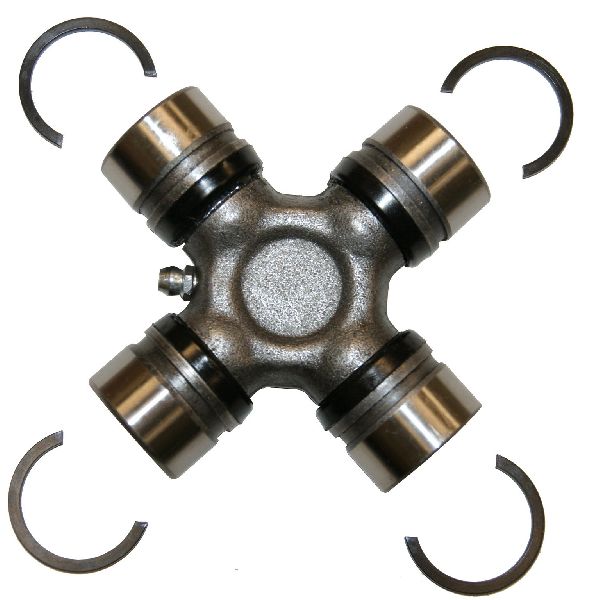
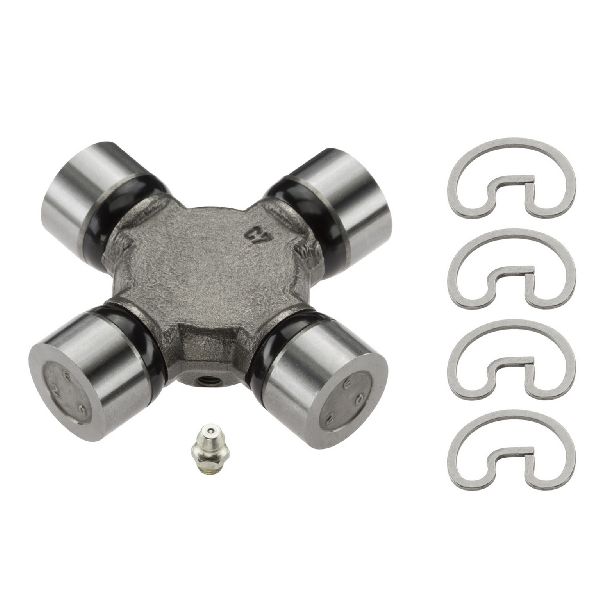
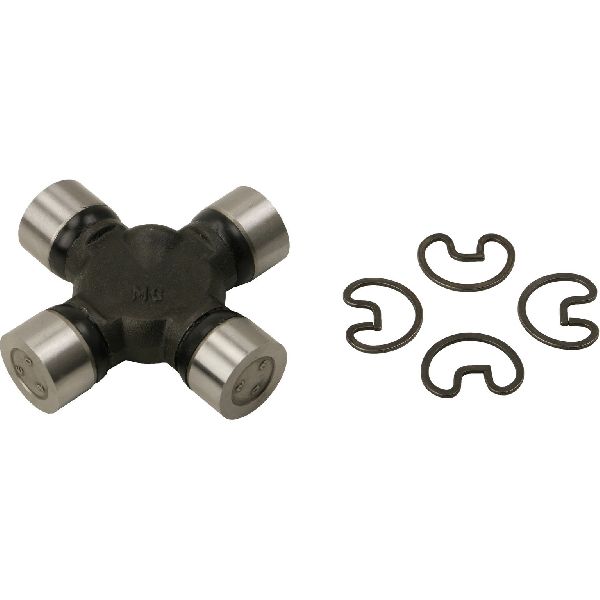
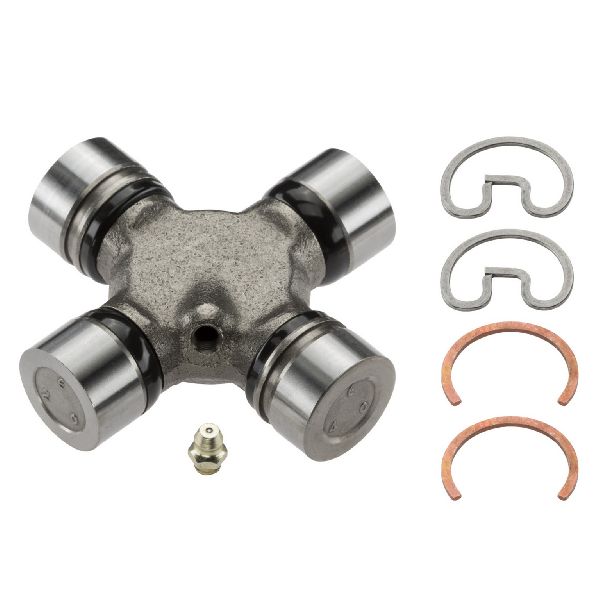
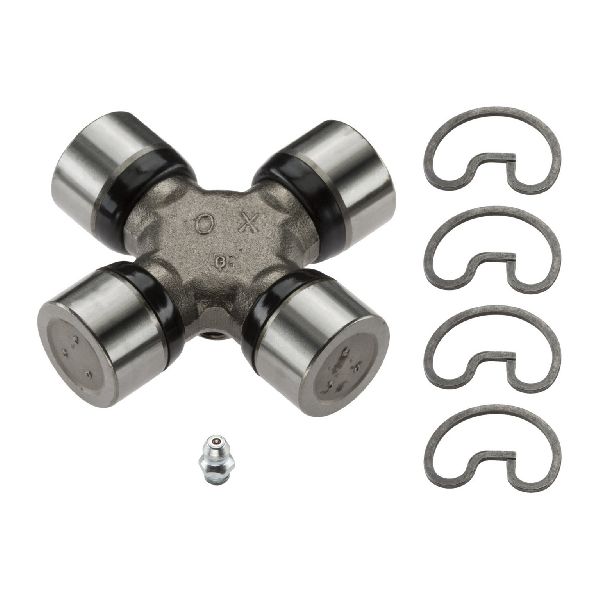
You'll see two main types of U-joints: greasable (with a zerk fitting) and non-greasable (sealed).
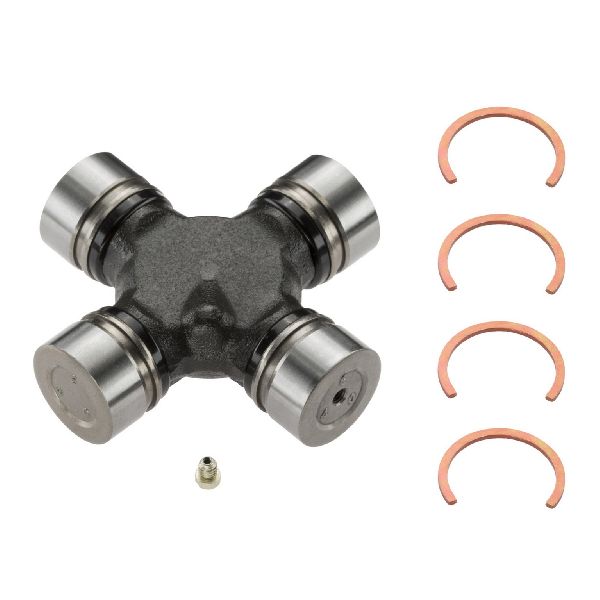
- Non-Greasable (Sealed): These are generally considered stronger. The cross is a solid piece of forged steel, without a channel drilled through it for grease, which can be a weak point. They come with high-quality seals and are packed with enough grease to last their lifetime. For most owners, this is the best choice for a strong, reliable, maintenance-free part.
- Greasable: These have a small fitting (zerk) that allows you to pump in fresh grease. This can help flush out old grease and contaminants, potentially extending the life of the joint. However, they must be greased regularly (like every oil change). If you forget, they will fail much faster than a sealed joint. For a weekend cruiser, the maintenance-free nature of a sealed joint is usually preferred.
Brand Quality Tiers
Not all aftermarket parts are created equal. Here’s a breakdown of the available brands:
- Tier 1 (OEM Quality or Better): Dana Spicer. Spicer is the benchmark for driveline components. They were an original supplier to GM. Their solid, non-greasable joints are known for being incredibly strong and durable. If you want the best, most reliable option, choose Spicer.
- Tier 2 (High-Quality Aftermarket): Moog, SKF. Both are well-respected brands. Moog is a household name in chassis parts, though some enthusiasts feel their quality has varied in recent years. SKF is a world leader in bearings and their U-joints, especially the heavy-duty “Brute Force” line, are well-regarded. You can be confident using parts from either of these brands.
- Tier 3 (Standard Replacement): GMB. GMB is a major manufacturer of aftermarket parts and offers a reliable, budget-friendly option. For a standard-duty car that sees normal driving, a GMB U-joint is a perfectly acceptable replacement part.
Pro Tip: When replacing U-joints, it's a good idea to replace them in pairs. Also, consider replacing the U-joint straps or U-bolts that hold the joint to the differential yoke. These are inexpensive and ensure a secure fit.
Expected Costs for Universal Joint Replacement
The cost depends on whether you do the work yourself or take it to a shop.
| Item | Estimated Cost |
|---|---|
| Aftermarket U-Joint Part | $20 - $75 per joint |
| Shop Labor | $150 - $350 |
| Total Professional Replacement | $200 - $450 |
Cost estimates are for one or two U-joints and do not include potential driveshaft balancing or other needed repairs.
Frequently Asked Questions
Are there any recalls for my Delta 88's U-joints?
No, there are no active or historical recalls specifically for the universal joints on the 1965-1971 Oldsmobile Delta 88. Recalls for vehicles of this age are extremely rare.
Can I replace the U-joints myself?
Yes, this is a DIY-friendly job if you are mechanically inclined and have the right tools. You will need a good set of jack stands, wrenches, and either a bench vise with large sockets or a dedicated U-joint press to remove the old joints and install the new ones. It is critical to mark the driveshaft's orientation before removal to maintain its balance.
Should I get my driveshaft balanced after replacing the U-joints?
If you carefully mark the driveshaft and reinstall it in the exact same orientation, balancing is not usually necessary. However, if you still have a vibration after the replacement, the driveshaft may be out of balance and should be taken to a specialty driveline shop.
How many U-joints does my Delta 88 have?
Your 1965-1971 Oldsmobile Delta 88 has a single driveshaft with two universal joints: one at the front (transmission side) and one at the rear (differential side).
Technical Specifications
Vehicle uses two universal joints on the main driveshaft. Specific part numbers vary by brand and exact model year, but are generally of the 'S44' or '3R' series type for GM cars of this era. Always verify fitment using the specific year and model of your Delta 88 when ordering.
We Have This Part in Stock

The information in this article is provided for general reference and educational purposes only. Vehicle specifications, procedures, and part compatibility can vary by production date, trim level, and region. Always consult your vehicle's factory service manual and verify part numbers before purchasing or performing repairs. Safety-critical components such as airbags, seat belts, and braking systems should be installed by a qualified professional.