

Rolls-Royce Phantom Disc Brake Pad Set Guide: 1965-1971
Choosing the right new aftermarket brake pads is crucial for maintaining the powerful, smooth stopping expected of your classic Phantom.
- Verify if your Phantom has disc or drum brakes before purchasing parts, as both were available in this era.
- Quality aftermarket pads are a sensible and often superior choice to non-existent or extremely expensive original parts.
- For quiet operation and cleaner wheels, a ceramic brake pad formulation is an excellent choice for this vehicle.
- Due to the complexity of the Rolls-Royce hydraulic system, professional installation by a mechanic experienced with classic British cars is strongly recommended.
Signs of Failing Brake Pads
Worn brake pads on a classic Phantom announce themselves in several ways. Ignoring these signs can lead to more expensive repairs, such as damage to the brake rotors.
- Squealing or Grinding Noises: A high-pitched squeal when you apply the brakes is often the first sign. This sound comes from a small metal tab called a wear indicator. If you hear a deeper, harsher grinding sound, it means the pads are completely worn away and metal is grinding on metal, which is a critical safety issue.
- Reduced Stopping Power: If you notice it takes longer to stop your vehicle, or you have to press the brake pedal much harder than usual, your pads may be worn out. This feeling of 'brake fade' can be dangerous, especially in a heavy vehicle.
- Vibration in the Pedal: A pulsing or vibrating feeling in the brake pedal during braking can indicate worn pads or, more likely, warped brake rotors, which are often damaged by completely worn-out pads.
Choosing the Right Aftermarket Brake Pads
For a 1965-1971 Phantom, finding original "New Old Stock" (NOS) brake pads is nearly impossible and would be extremely expensive. Aftermarket parts are the most practical and common solution for keeping these classics on the road.
OEM vs. Aftermarket Quality
Original pads from the 1960s used friction materials that are now outdated. Modern aftermarket pads often use superior ceramic or semi-metallic compounds that can offer better performance, less noise, and a longer lifespan. For a vehicle of this vintage, a quality aftermarket part is not a downgrade; it's often an improvement in material technology.
Brand Spotlight: Dynamic Friction
| Product Line | Description | Best For |
|---|---|---|
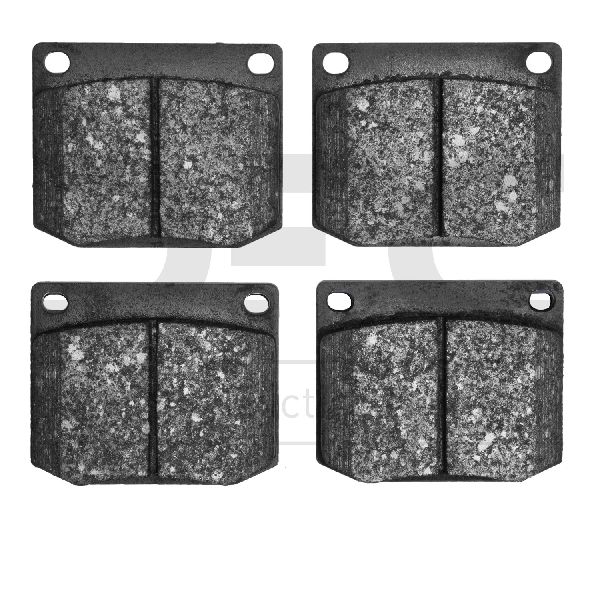
| Dynamic Friction 5000 Series | Designed to be a direct replacement that meets or exceeds the original factory performance. These pads aim to provide a similar pedal feel and stopping power as the car had when new. | Owners seeking a reliable, stock-like performance for regular driving. |
| Dynamic Friction Euro Ceramic | A ceramic-based formula designed for European vehicles to reduce brake dust and noise while maintaining strong performance. While your Phantom is British, this line can be a good choice if you want to keep your classic wheels cleaner. | Drivers who prioritize clean wheels and quiet operation without sacrificing safety. |
Pro Tip: Some users of Dynamic Friction pads on other vehicles note that performance-focused versions can produce noticeable brake dust. If keeping your wheels pristine is a top priority, the Euro Ceramic line is likely the better choice.
Known Issues, Recalls, and Service Bulletins
Searches of the NHTSA database and other public records show no specific recalls or Technical Service Bulletins (TSBs) related to the disc brake pads for the 1965-1971 Rolls-Royce Phantom. Recalls found for the "Phantom" nameplate are for modern, BMW-era vehicles and do not apply to these classic models.
Important Note on Brake Systems: While this guide is for disc brake pads, be aware that some earlier models in this year range, particularly the Phantom V, were originally equipped with four-wheel drum brakes. It is essential to visually inspect your vehicle's braking system to confirm you have disc brakes before ordering parts.
Frequently Asked Questions
Can I use brake pads from a modern Rolls-Royce on my classic Phantom?
No. The braking systems on modern Phantoms are completely different, based on BMW technology. The pads are not interchangeable in any way. You must use parts specified for the 1965-1971 model years.
Should I replace the brake rotors at the same time as the pads?
It is highly recommended. New pads perform best on a fresh, flat rotor surface. Installing new pads on old, worn, or grooved rotors will reduce their effectiveness and lifespan. Given the age and value of the vehicle, replacing pads and rotors together is the best practice.
Are ceramic or semi-metallic pads better for my Phantom?
It depends on your priority. Ceramic pads, like the Dynamic Friction Euro Ceramic line, are known for being quiet and producing less dust, keeping your wheels cleaner. Semi-metallic pads often provide excellent performance across a wide range of temperatures but can be dustier. For a classic limousine, a high-quality ceramic pad is an excellent choice for quiet, clean, and confident stopping.
Why are aftermarket pads for my Rolls-Royce so affordable?
The price reflects the cost of modern manufacturing for a friction component. While the Rolls-Royce name commands a premium, the basic technology of a brake pad is shared across many vehicles. Brands like Dynamic Friction produce parts in large volumes, which keeps the price reasonable without necessarily compromising on quality for standard-use pads.
Technical Specifications
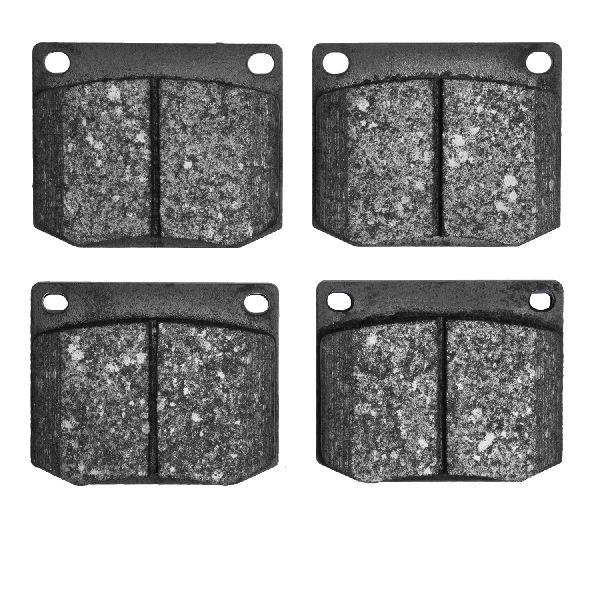
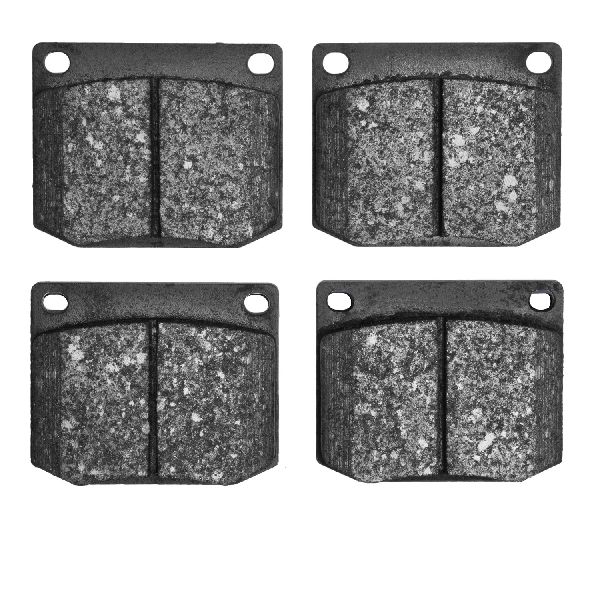
Vehicle-specific fitment for 1965-1971 Rolls-Royce Phantom models equipped with disc brakes. Available in ceramic and semi-metallic compounds.
We Have This Part in Stock

The information in this article is provided for general reference and educational purposes only. Vehicle specifications, procedures, and part compatibility can vary by production date, trim level, and region. Always consult your vehicle's factory service manual and verify part numbers before purchasing or performing repairs. Safety-critical components such as airbags, seat belts, and braking systems should be installed by a qualified professional.