

Ford F-350 Engine Mount Replacement Guide: 1965-1972
Eliminate excessive engine vibration and clunking noises by choosing the right replacement engine mounts for your classic Ford F-350.
- Verify your model year carefully: 1965-66 models use a single front mount, while 1967-72 models use two side mounts.
- Expect standard quality from aftermarket brands like Anchor, DEA, and Westar; fitment and durability issues are possible.
- Always replace engine mounts in pairs and inspect the transmission mount to prevent premature failure of the new parts.
- Symptoms like heavy vibration and clunking noises are strong indicators of failed mounts that should be addressed to prevent further damage.
Is Your F-350's Engine Mount Failing?
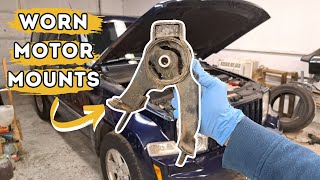
Worn engine mounts can make your dependable old Ford feel rough and unstable. Because they fail gradually, you might not notice the change until symptoms become severe. A visual inspection during an oil change can catch problems early. Look for cracked, hardened, or oil-soaked rubber. You can also check for excessive engine movement by having a helper shift the transmission from drive to reverse with the brake applied while you watch the engine.
🎬 Watch this video to see these symptoms in action.Key Symptoms of a Bad Engine Mount
- Excessive Vibration: A deep vibration felt in the steering wheel, floor, and seat, especially at idle, is the most common sign.
- Clunking or Banging Noises: Loud clunks when you accelerate, brake, or shift gears are caused by the engine physically moving and hitting its limits.
- Engine Movement: You may notice the engine lurching or rocking significantly when starting, shutting down, or revving the engine.
- Drivetrain Noises: In severe cases, a broken mount can cause the gearshift to jump or create grinding noises as the engine and transmission misalign under load.
A Critical Difference: 1965-1966 vs. 1967-1972
It is extremely important to identify your truck's model year before buying parts. The 1965-1966 F-350 used an older chassis design and has a single, large engine mount at the front of the engine, supported by a cast-iron timing cover, along with two supports at the bellhousing. The 1967-1972 F-350 uses a more modern setup with two engine mounts, one on each side of the engine, bolting to frame perches. These two designs are not interchangeable.
Choosing the Right Aftermarket Engine Mount
For a vehicle of this age, genuine Ford "New Old Stock" (NOS) parts are extremely rare and expensive. The aftermarket is your primary source for replacements. The available brands—Anchor, DEA, Westar, and Pioneer—all fall into the standard replacement or economy category.
Honest assessments from truck owners show that these brands can be inconsistent. While some users report they work fine for a daily driver, many experience issues:
- Fitment Problems: Bolt holes may not line up perfectly, requiring modification to install. 🎬 See a walkthrough of the replacement process on an FE engine.
- Increased Vibration: The rubber used is often harder than the original, which can transmit more engine vibration into the cab.
- Durability Concerns: There are frequent reports of these mounts failing prematurely, sometimes in less than a year.
Pro Tip: Despite the quality concerns, these aftermarket mounts are often the only option. When installing, replace them in pairs (for 1967-72 models) and always check the transmission mount at the same time. A worn transmission mount will put extra stress on new engine mounts, causing them to fail quickly.
Replacement Cost for 1965-1972 F-350 Engine Mounts
The cost to replace your engine mounts will depend on whether you do it yourself or hire a shop. The parts themselves are inexpensive.
| Item | Estimated Cost |
|---|---|
| New Aftermarket Mounts (Pair) | $25 - $110 |
| Shop Labor | $150 - $375 |
| Total Estimated Cost | $175 - $485 |
Cost estimates are for a pair of side mounts on a 1967-72 model. Labor costs can vary based on your location and the condition of your vehicle (e.g., rust).
Frequently Asked Questions (FAQ)
How many engine mounts does my F-350 have?
For 1967-1972 models, there are two main engine mounts (left and right) and one transmission mount. For 1965-1966 models, there is one front engine mount assembly and two bellhousing mounts.
Can I replace just one engine mount?
It is strongly recommended to replace engine mounts in pairs (on '67-'72 trucks). If one has failed, the other has been subjected to the same age and stress and is likely weak. Replacing only one can cause the new mount to fail quickly due to uneven load.
Is replacing engine mounts a DIY job?
Yes, if you have the right tools and are comfortable working under your truck. The process involves supporting the engine's weight with a floor jack and a block of wood under the oil pan, unbolting the old mount, and installing the new one. Access to bolts can be tight, and aligning the new mount may require prying or shifting the engine.
Are polyurethane mounts a better option?
Polyurethane mounts are available and are much more durable than standard rubber mounts. However, they are very stiff and will transfer significantly more engine vibration into the cab, making for a harsher ride. They are generally recommended for performance or heavy-duty use, not for a comfortable daily driver.
Why did my new aftermarket mount fail so quickly?
There are two common reasons. First, the quality of economy aftermarket mounts is inconsistent, and some simply fail early. Second, if you did not replace the transmission mount at the same time, a worn-out transmission mount can put excessive stress on the new engine mounts, leading to premature failure.
Helpful Videos
Technical Specifications
OEM Part Numbers: TFAA-6038-A (1965-66 Front Top) TFAA-6039-A (1965-66 Front Bottom) C7TZ-6038-A (1967-72 RH) C7TZ-6038-B (1967-72 LH)
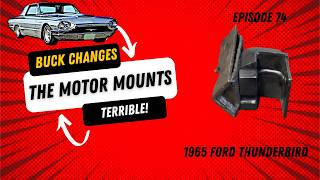
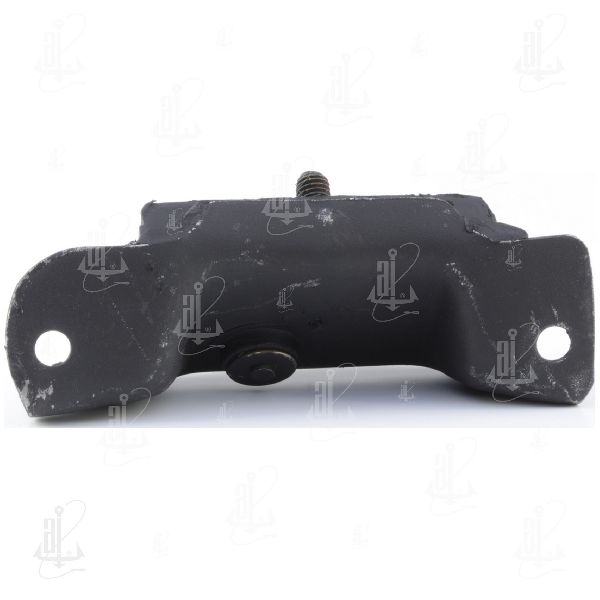
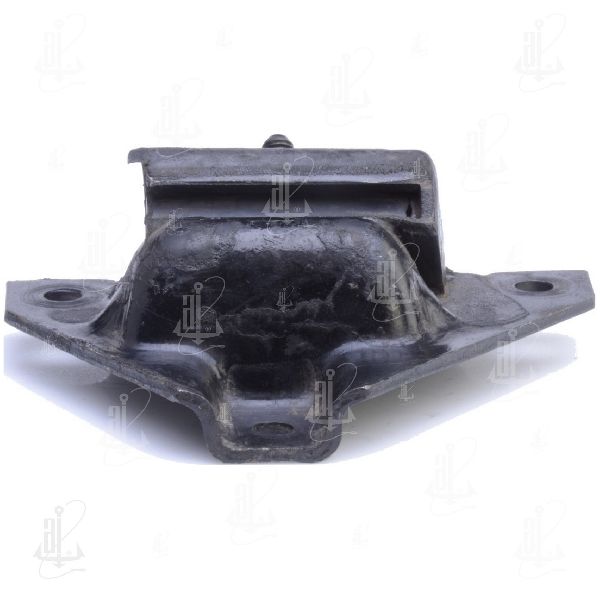
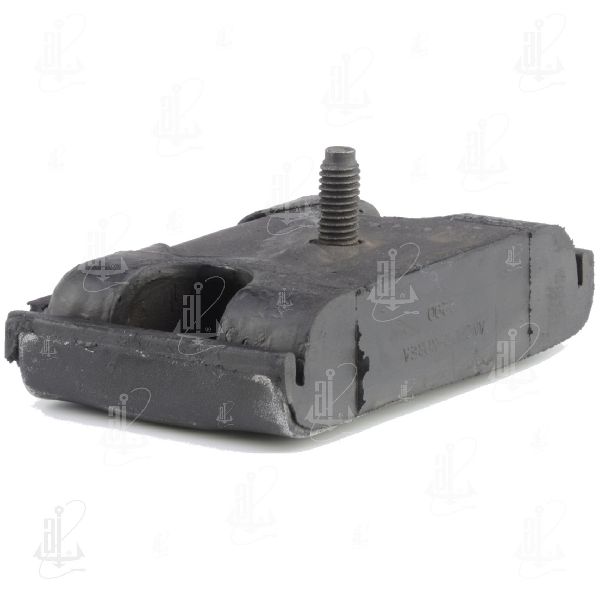
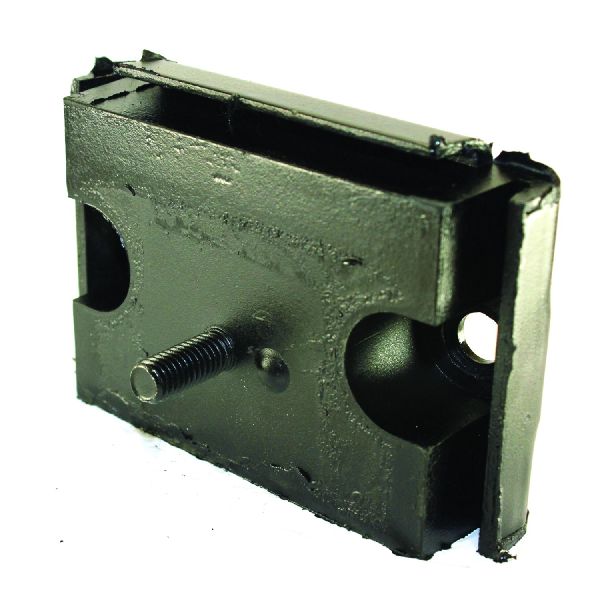
Mounts consist of a steel frame with a solid rubber insulator block. 1965-1966 models use a single front mount system. 1967-1972 models use a two-mount system with left and right specific parts, plus a separate transmission mount.
We Have This Part in Stock


The information in this article is provided for general reference and educational purposes only. Vehicle specifications, procedures, and part compatibility can vary by production date, trim level, and region. Always consult your vehicle's factory service manual and verify part numbers before purchasing or performing repairs. Safety-critical components such as airbags, seat belts, and braking systems should be installed by a qualified professional.