

Ford LTD Starter Motor: 1965-1972 Replacement Guide
Solve cranking issues in your classic Ford LTD by choosing the right starter.
- Always check the battery, cables, and fender-mounted solenoid first; they can mimic starter failure.
- A common issue is "hot start" failure; upgrading to a modern, high-torque mini starter is the most effective solution.
- You must order a starter that matches your specific engine (e.g., FE, Windsor, 385-series) and transmission type.
- Replacing the starter is a manageable DIY job for most owners, typically requiring only basic tools and 1-2 hours.
Is Your Ford LTD Starter Failing?
A failing starter in a 1965-1972 Ford LTD can leave you stranded. These classic cars, with their large V8 engines, demand a strong starter to crank reliably. Over time, original and older replacement starters can wear out or become susceptible to heat, leading to frustrating starting problems. Recognizing the signs early can save you a headache.
Common Failure Symptoms
- Clicking Sound, No Crank: This is the most classic symptom. You turn the key and hear a single, loud click or a series of rapid clicks, but the engine doesn't turn over. This often means the starter solenoid is trying to work but the motor can't engage, or there isn't enough power.
- Slow, Labored Cranking: If the engine turns over much slower than usual, like it's struggling, the starter motor may be wearing out and losing its power.
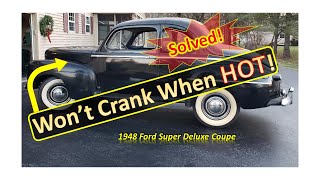
- Hot Start Problems: This is a very common issue with classic Fords. After a drive, the engine is hot, and the starter refuses to crank. Once it cools down, it starts normally. This is caused by "heat soak," where heat from the exhaust manifold increases electrical resistance in the starter and its wiring.
- Grinding Noise: A harsh grinding sound when you try to start the car can indicate that the starter's gear is not engaging properly with the flywheel, or the gears are damaged.
- No Sound at All: Complete silence when turning the key can point to a dead starter, a failed solenoid, or a problem in the ignition circuit.
First, Check Your Battery & Cables
Before condemning your starter, ensure your battery is fully charged and the terminals are clean and tight. Old, corroded, or undersized battery cables can cause the exact same symptoms as a bad starter, including the dreaded hot-start issue. A simple voltage check and cable inspection can save you from replacing a perfectly good part.
Choosing the Right Aftermarket Starter
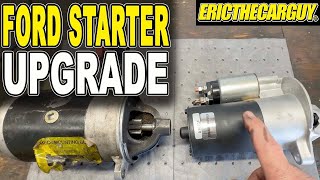
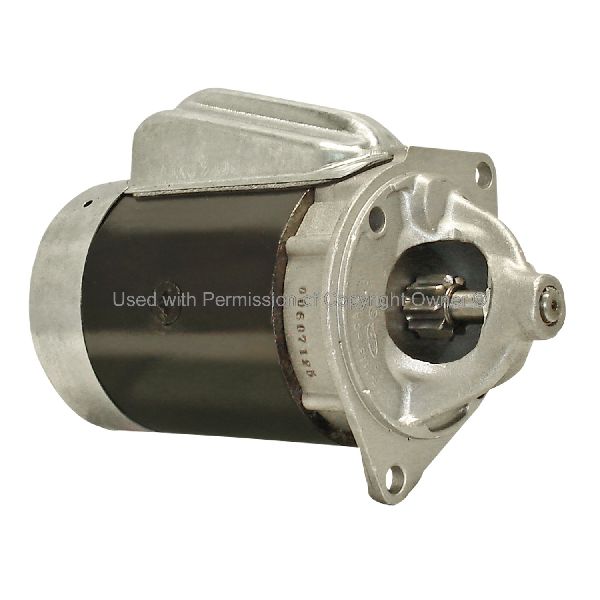
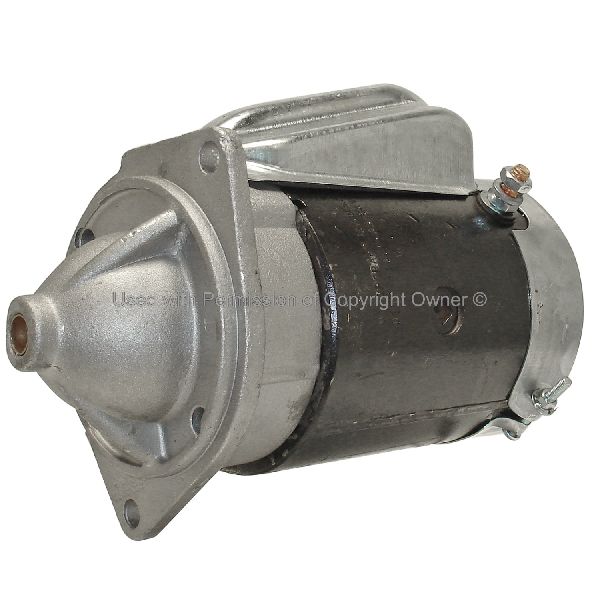
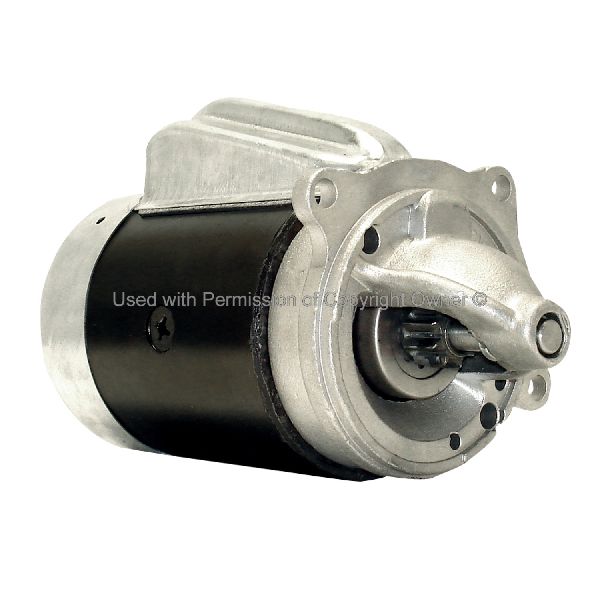
The original starters on these LTDs were large, heavy, direct-drive units. Modern aftermarket replacements often use a gear-reduction design, making them smaller, lighter, and more powerful. This is a significant upgrade, especially for solving heat-related problems.
Brand Tiers for Your Ford LTD
When shopping for a new starter, it's helpful to think in terms of standard replacement versus high-performance upgrades.
Premium / High-Torque Brands ($200 - $392)
These brands offer modern, high-torque, gear-reduction mini starters. They provide more cranking power, weigh less, and their compact size offers better clearance for exhaust headers, which is key to solving hot-start problems. They are an excellent choice for cars with higher-compression engines or for any owner wanting maximum reliability.
- Ford Performance: Often considered a top-tier choice, these starters are well-made, powerful, and designed to solve common issues like heat soak. They are known for excellent fit and providing instant, fast starts.
- Powermaster: A very popular brand in the performance and classic car world. They offer a range of starters, including high-torque models that provide a significant upgrade over stock and are known to resist heat.
- MSD: Known for high-quality ignition components, MSD also offers powerful, reliable starters that are a favorite for modified and high-compression engines.
Standard Replacement Brands ($113 - $200)
These brands provide reliable, direct-fit replacements that meet or exceed original specifications. They are a great value for a stock vehicle or daily driver that isn't experiencing significant hot-start issues.
- MPA (Motorcar Parts of America): A large manufacturer that produces quality-built starters, often to OEM specifications. They are a solid choice for a dependable, stock-style replacement.
- Proform: Offers a range of starters, including affordable high-torque, gear-reduction models that can provide more cranking power than stock for a reasonable price. Quality can be inconsistent according to some user reviews, with some experiencing early failures.
- Mr. Gasket: Known for a wide variety of automotive performance and appearance products.
A Note on Engine & Transmission
The 1965-1972 Ford LTD was available with numerous engines (like the 289, 302, 351, 390, 429, 460). The starter must match your specific engine and transmission (automatic vs. manual) combination. Always verify fitment before ordering; a starter for a 390 FE engine is different from one for a 429 engine.
Cost of Replacing a Ford LTD Starter
| Part Type | Estimated Cost |
|---|---|
| New Aftermarket Starter | $113 - $392 |
| Shop Labor | $100 - $250 |
| Total Estimated Cost | $213 - $642 |
Frequently Asked Questions (FAQ)
What is a "hot start" problem and how do I fix it?
A hot start problem is when your car starts fine when cold, but struggles or refuses to crank when the engine is hot. This is caused by heat from the engine and exhaust manifold increasing the electrical resistance in the starter motor and/or solenoid. The best fix is to replace the old, large starter with a modern, high-torque mini starter, which is less affected by heat and provides more cranking power. You can also add a heat shield to the starter or ensure your battery cables are in excellent condition.
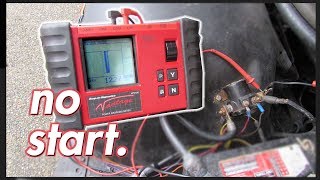
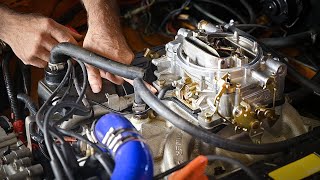
🎬 Watch: Expert tips for diagnosing and fixing Ford hot start issuesWhat's the difference between a direct-drive and a gear-reduction starter?
Original starters were direct-drive, meaning the motor's shaft directly turned the starter gear. They are large and require a lot of amperage. Modern gear-reduction starters use a set of internal gears to multiply the motor's torque. This allows for a smaller, lighter, and more efficient motor that can spin the engine faster with less battery drain.
Is the starter solenoid on the starter or on the fender?
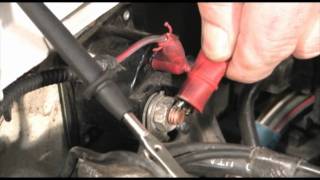
On most 1965-1972 Fords, the main high-current switch, commonly called the starter solenoid, is a separate relay mounted on the fender apron 🎬 Watch: How to diagnose and test your Ford starter solenoid in the engine bay. However, some starter designs, particularly solenoid-actuated types used on 429/460 engines and many modern aftermarket units, have a second solenoid mounted directly on the starter motor itself. It's important to diagnose the entire system, as a failure of the fender-mounted relay will prevent the starter from getting power.
Can I replace the starter myself?
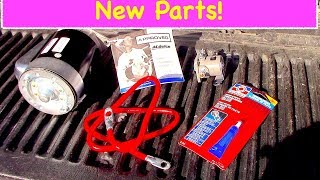
Yes, for someone with basic mechanical skills, replacing the starter on a 1965-1972 LTD is a very feasible DIY job. 🎬 See this step-by-step starter replacement walkthrough on a classic Ford Access is generally good, though it can be tight around the exhaust. The job typically involves disconnecting the battery, safely lifting the front of the vehicle, removing two or three bolts and a couple of electrical wires. A long ratchet extension is often helpful for the top bolt.
Helpful Videos
Technical Specifications
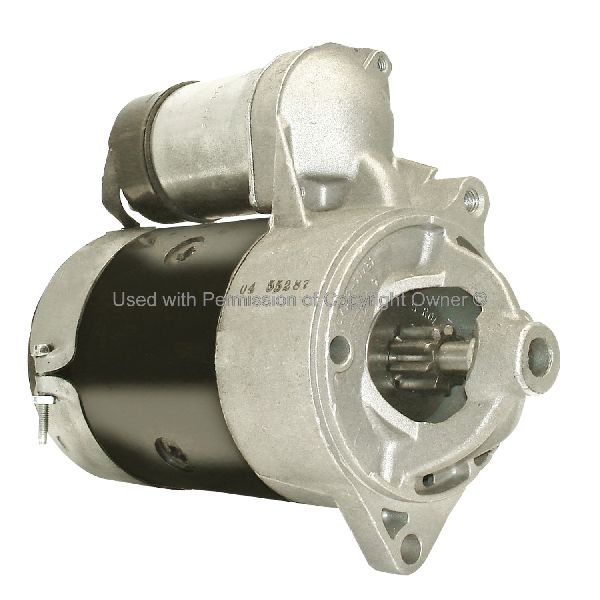
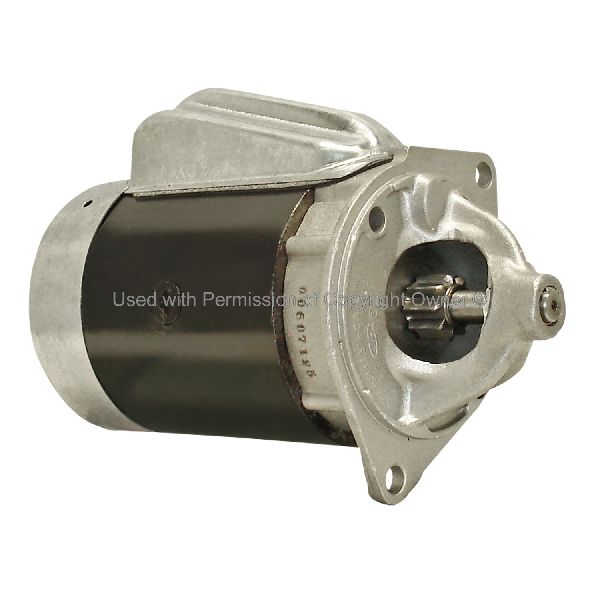
OEM Part Numbers: SA-717-ARM
Vehicle fitment depends on the specific engine and transmission combination. The 1965-1972 LTD used several engine families, including Windsor (289/302/351W), FE (390/428), and 385-series (429/460). Starters are not interchangeable between these families. Most original starters were large, direct-drive units, while many aftermarket replacements are more powerful and compact gear-reduction designs. Most configurations use a fender-mounted starter relay, but some 429/460 applications used a starter with an integrated solenoid.
We Have This Part in Stock

The information in this article is provided for general reference and educational purposes only. Vehicle specifications, procedures, and part compatibility can vary by production date, trim level, and region. Always consult your vehicle's factory service manual and verify part numbers before purchasing or performing repairs. Safety-critical components such as airbags, seat belts, and braking systems should be installed by a qualified professional.
- 🎬 Helpful Videos
- 🛍️ Shop This Part
- Is Your Ford LTD Starter Failing?
- Common Failure Symptoms
- First, Check Your Battery & Cables
- Choosing the Right Aftermarket Starter
- Brand Tiers for Your Ford LTD
- A Note on Engine & Transmission
- Cost of Replacing a Ford LTD Starter
- Frequently Asked Questions (FAQ)
- 🎟️ Get 5% Off