

Dodge Monaco Suspension Control Arm Bushing Guide: 1965-1973
Everything you need to know about replacing the control arm bushings on your classic 1965-1973 Dodge Monaco.
- The lower control arm bushing is a known weak point on 1965-1973 Dodge Monacos and is often the primary cause of handling issues.
- Symptoms of failure include clunking noises, sloppy steering, and uneven tire wear.
- Replacement requires a hydraulic press and is generally not considered a DIY job for a home mechanic.
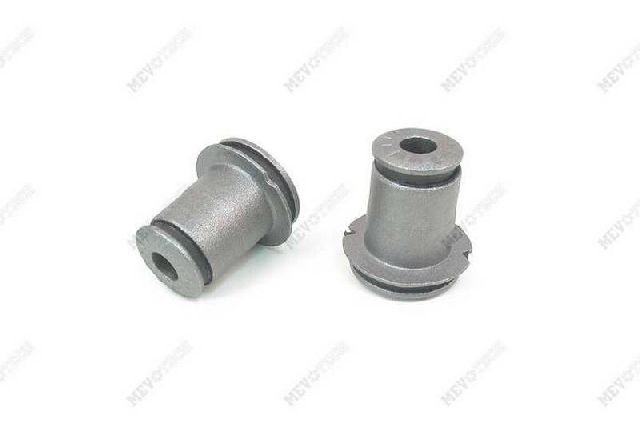
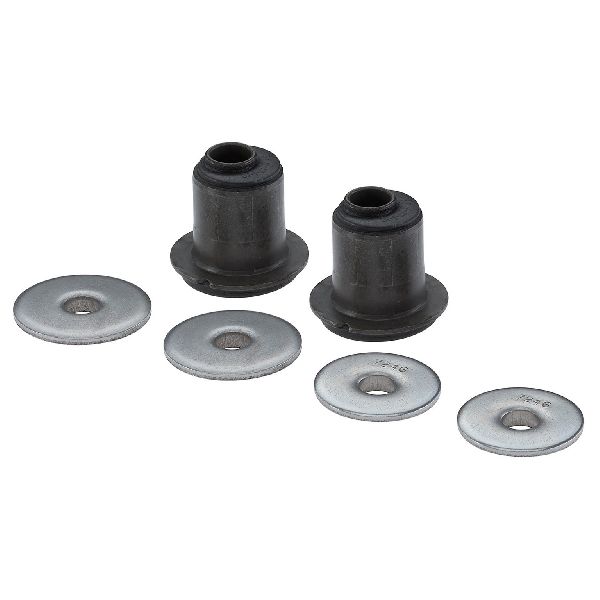
- Choose high-quality rubber bushings (like Moog or Mevotech Supreme) for a stock ride, or polyurethane for improved performance at the cost of ride comfort.
Signs of Worn Control Arm Bushings on Your Monaco
Worn bushings can seriously affect your Monaco's handling and ride quality. As the original rubber deteriorates after decades of service, it becomes hard, cracks, or disintegrates completely. This allows for excessive movement in the suspension, leading to a number of noticeable problems.
Common Failure Symptoms:
- Clunking or Popping Noises: A common sign is a clunking or knocking sound from the front suspension, especially when going over bumps or making turns. This is the sound of metal-on-metal contact as the control arm moves excessively.
- Sloppy or Vague Steering: If your steering feels loose, wanders, or requires constant correction to stay straight, worn bushings are a likely culprit. The unwanted movement prevents the wheels from holding a consistent alignment.
- Uneven Tire Wear: Bad bushings can lead to improper and fluctuating wheel alignment, causing tires to wear unevenly on the inside or outside edges.
- Poor Handling Under Acceleration: On these classic Mopars, a very specific symptom can occur. When you accelerate, the front end lifts slightly, and if the lower bushings are bad, the car may want to steer in different directions until the suspension settles.
Choosing the Right Aftermarket Bushings
Since finding New Old Stock (NOS) OEM bushings is nearly impossible, you'll be choosing from aftermarket brands. For a classic car like the Monaco, the quality of aftermarket parts can vary. The original design of the lower control arm bushing is considered a weak point, so choosing a quality replacement is important. Aftermarket brands generally offer parts made from standard rubber, like the originals, or from polyurethane, which is a harder, more durable material.
Brand Tiers for Your Monaco:
- Premium Brands (Moog, Mevotech Supreme): Moog has a long-standing reputation, and their "Problem Solver" series often features design improvements over the original. Mevotech's "Supreme" line is also considered a higher-quality option with durable materials. Forum users often discuss Moog for these classic Mopars.
- Standard Replacement (Dorman, standard Mevotech): Brands like Dorman and Mevotech's standard lines offer reliable, OE-spec replacements that are a good value for a daily driver or a stock restoration. They provide a fit and function similar to the original parts.
- Performance (Polyurethane): Brands like Energy Suspension or Prothane offer polyurethane bushings. Polyurethane is stiffer than rubber, which reduces suspension deflection and can improve handling response. However, this stiffness can also transmit more road noise and vibration into the cabin, resulting in a harsher ride.
Pro Tip: When replacing bushings, especially on a C-body Mopar, it's a good time to inspect the entire front end, including ball joints, tie rod ends, and strut rod bushings, as they are likely worn as well. Many vendors sell complete front-end rebuild kits.
Cost of New Aftermarket Control Arm Bushings (1965-1973 Dodge Monaco)
| Part Type | Estimated Cost |
|---|---|
| New Aftermarket Bushing Kit (Upper & Lower) | $40 - $150 |
| Shop Labor to Install | $300 - $600 |
Note: Costs are estimates and can vary based on brand, material (rubber vs. polyurethane), and local labor rates. The lower control arm bushings on these cars can be particularly difficult to replace, potentially increasing labor time.
Frequently Asked Questions
Do I need special tools to replace control arm bushings?
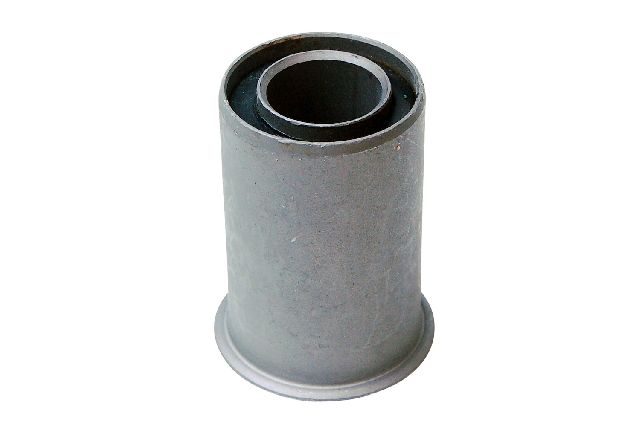
Yes, this is not a simple bolt-off, bolt-on job. Replacing control arm bushings, especially the pressed-in lower ones, requires a heavy-duty hydraulic press or specialized bushing driver tools. Removing the old lower control arm bushing sleeves can be very difficult and may even require cutting or welding. This job is often best left to a professional shop with the right equipment, especially for the lower control arms.
Should I choose rubber or polyurethane bushings?
It depends on your goals. For a stock, comfortable ride like the car had from the factory, stick with high-quality rubber bushings. If you want a firmer ride, improved handling performance, and longer life, and you don't mind a potential increase in road noise, polyurethane is a good option.
What are offset upper control arm bushings?
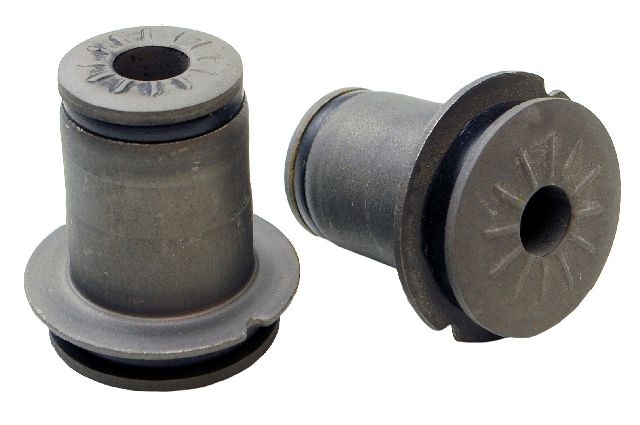
Offset bushings are designed to allow for more adjustment in the front-end alignment, specifically for camber and caster. Unless your car has been in an accident or you have trouble getting it into alignment with standard bushings, you likely do not need them for a stock application. It's best to have the alignment checked first to see if they are necessary.
Were there any recalls for the 1965-1973 Dodge Monaco suspension?
No, searches of the NHTSA database found no specific recalls for suspension control arm bushings for the 1965-1973 Dodge Monaco. Recalls found for "Monaco" and "control arms" were for much newer Monaco-brand motorhomes or other unrelated Dodge vehicles.
Technical Specifications
The 1965-1973 Dodge Monaco is a C-body platform vehicle. Bushings are available for both upper and lower control arms. Lower control arm bushings are a press-in design. Upper control arm bushings are also press-in and may be available in standard or offset configurations for alignment correction.
We Have This Part in Stock

The information in this article is provided for general reference and educational purposes only. Vehicle specifications, procedures, and part compatibility can vary by production date, trim level, and region. Always consult your vehicle's factory service manual and verify part numbers before purchasing or performing repairs. Safety-critical components such as airbags, seat belts, and braking systems should be installed by a qualified professional.