

Ford LTD Brake Master Cylinder Guide: 1965-1973 Models
Choosing the right brake master cylinder is critical for the safety and performance of your classic 1965-1973 Ford LTD.
- A spongy pedal that sinks to the floor is the most common sign of a failing master cylinder and is a critical safety hazard.
- Verify your LTD's year: 1965-1966 models may have a single-reservoir unit, while 1967-1973 have a safer dual-reservoir design. Upgrading is highly recommended.
- You must order the correct part for your brake system: power vs. manual, and disc/drum vs. drum/drum.
- Always bench bleed a new master cylinder before installation to remove trapped air and ensure proper brake function.
Is Your LTD's Brake Pedal Trying to Tell You Something?
A failing brake master cylinder is a serious safety issue. Unlike some parts that wear out slowly, a master cylinder failure can lead to a sudden loss of braking ability. For a heavy classic like the Ford LTD, you need to be able to trust your brakes. Recognizing the warning signs is the first step to staying safe on the road.
Symptoms of a Failing Master Cylinder
- Spongy or Soft Brake Pedal: If your brake pedal feels mushy or sinks towards the floor when you press it, it's a classic sign of a problem. This often means the internal seals are worn, allowing fluid to bypass them instead of building pressure.
- Brake Pedal Slowly Sinks: When holding your foot on the brake at a stop, does the pedal slowly creep to the floor? This indicates an internal leak within the master cylinder.
- Contaminated Brake Fluid: New brake fluid is typically clear or light amber. If the fluid in your reservoir looks dark, murky, or has debris in it, the seals inside the master cylinder may be breaking down.
- Brake Warning Light: On later models equipped with a dual-reservoir system, a pressure difference between the front and rear brake circuits will trigger a warning light on your dashboard.
- Low Brake Fluid: If you see fluid leaking from the back of the master cylinder where it meets the firewall or brake booster, the rear seal has failed.
Safety First: Do Not Drive with a Bad Master Cylinder
A faulty master cylinder can lead to partial or complete brake failure. If you suspect your master cylinder is failing, do not drive the vehicle. Have it inspected and replaced immediately.
Choosing the Right Aftermarket Master Cylinder for Your LTD
Finding the correct master cylinder for your 1965-1973 LTD requires checking a few key details about your specific car. Original parts are scarce, but modern aftermarket replacements offer excellent quality and safety, especially when upgrading from an older design.
1. Single vs. Dual Reservoir: A Critical Safety Choice
The most significant change during this period was the switch from single to dual-reservoir master cylinders. Federal regulations mandated this change for the 1967 model year.
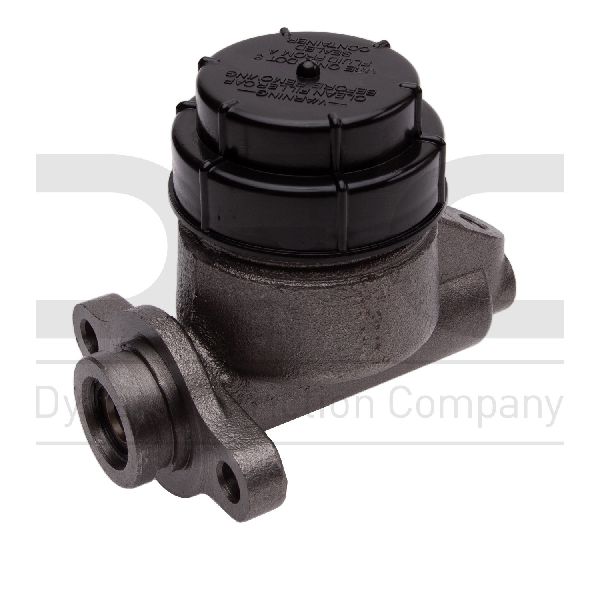
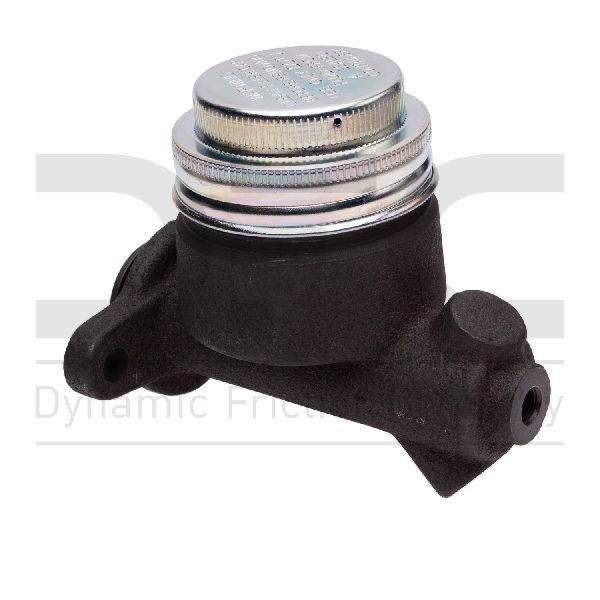
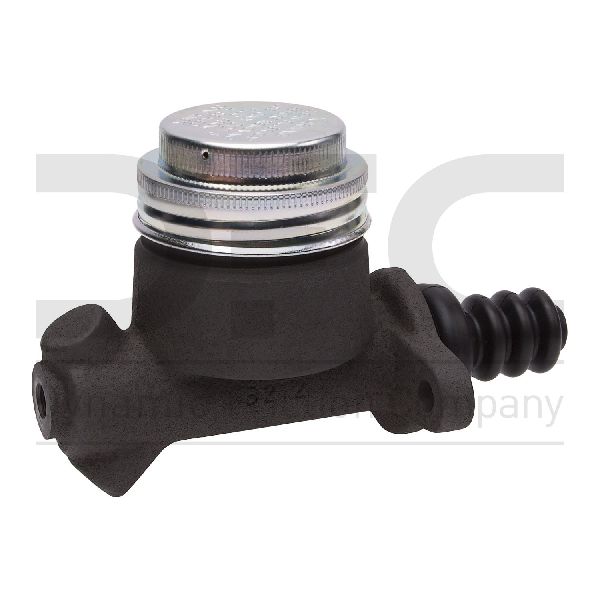
- Single Reservoir (1965-1966): These units use one chamber to pressurize the front and rear brakes together. A single leak anywhere in the system can cause a complete loss of braking power.
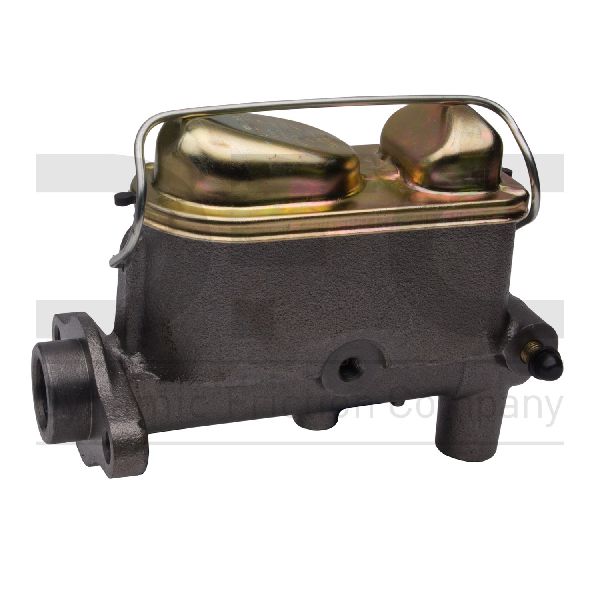
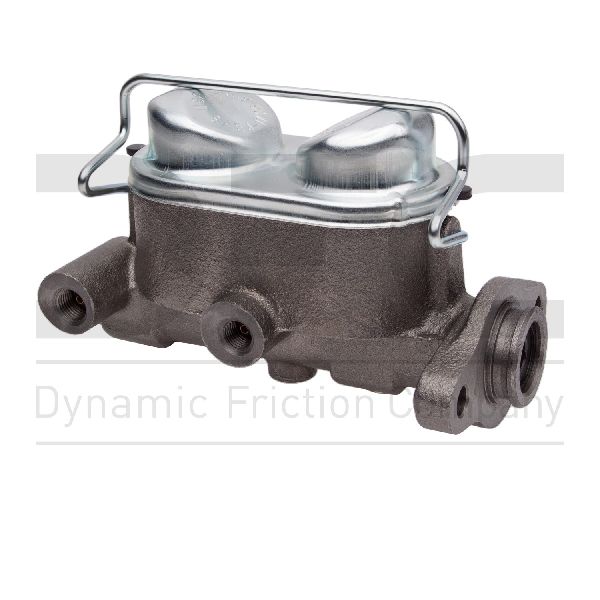
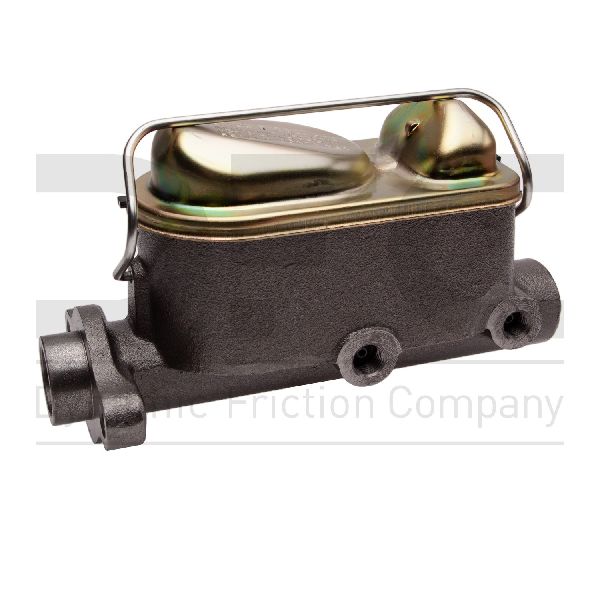
- Dual Reservoir (1967-1973): These safer units have two separate chambers—one for the front brakes and one for the rear. If one half of the system fails, you will still have braking power from the other half, allowing you to stop the car safely.
2. Power vs. Manual Brakes
Your LTD could have come with either manual brakes or power-assisted brakes. The master cylinders are different for each.
- Manual Brake Master Cylinders typically have a smaller bore diameter (around 1 inch or less) to create adequate pressure without the help of a booster. They also have a deep pushrod socket.
- Power Brake Master Cylinders are designed to work with a brake booster. They have a larger bore diameter and a shallow pushrod socket. Using a power brake master cylinder on a manual system will result in a very hard pedal and poor stopping power.
3. Aftermarket Brand Quality
Several reputable brands manufacture new master cylinders for your LTD. While original Ford parts are long discontinued, today's aftermarket parts are made to modern standards and are a reliable choice.
- Centric: Often considered a high-quality aftermarket supplier, Centric parts are a solid choice for daily drivers and restorations.
- Dorman: Known for having a very wide catalog of parts, Dorman is a go-to for availability. They sometimes re-engineer OEM parts to fix common failure points.
- Dynamic Friction (DFC): This brand emphasizes meeting or exceeding OEM specifications. Their master cylinders are 100% pressure tested to ensure reliability out of the box.
- ACDelco: While strongly associated with GM, ACDelco produces parts for many makes and has a long-standing reputation for quality.
| Part Type | Estimated Cost | Notes |
|---|---|---|
| New Aftermarket | $62.59 - $140.45 | This is the most common and recommended option. |
| Remanufactured | $50 - $100 | Can be a budget option, but new parts are often preferred for reliability. |
| New OEM (NOS) | Varies Greatly | "New Old Stock" parts are extremely rare, expensive, and not necessary for good performance. |
| Used OEM | Not Recommended | Never use a used master cylinder. It is a critical safety component. |
Frequently Asked Questions (FAQ)
What is "bench bleeding" and do I need to do it?
Yes. Bench bleeding is the process of removing all air from the master cylinder before you install it in the car. It involves mounting the cylinder in a vise, attaching hoses from the outlet ports back into the reservoir, filling it with fluid, and slowly pushing the piston until no more air bubbles come out of the hoses. Skipping this step will make it extremely difficult, if not impossible, to bleed the brakes properly later.
What kind of brake fluid should I use in my LTD?
For the 1965-1973 Ford LTD, you should use a quality DOT 3 brake fluid. Do not use DOT 5 (silicone-based) fluid unless your entire brake system is specifically designed for it, as it is not compatible with the original seals and can cause issues. Always use fluid from a new, sealed container, as brake fluid absorbs moisture over time, which can cause corrosion.
Were there any recalls for the 1965-1973 LTD brakes?
Yes, there was one notable safety recall. In February 1973, Ford recalled 76,670 vehicles, including the 1973 LTD, for an issue where the front brake tubes could rub against the fender aprons. This could wear a hole in the brake line and cause a loss of front brakes. While not a master cylinder issue, it's crucial for any 1973 LTD owner to inspect this area.
My LTD has front disc brakes. Does that change the master cylinder I need?
Yes. Master cylinders for disc/drum setups are different from those for drum/drum setups. Disc brakes require a higher fluid volume, so the reservoir for the front brakes is often larger. More importantly, the master cylinder must be paired with a proportioning valve to prevent the rear drum brakes from locking up before the front discs engage. Ensure the part you order is specified for your car's brake configuration (disc/drum or drum/drum).
Technical Specifications
Key specifications to verify before ordering include: year of manufacture, reservoir type (single or dual), brake system type (power or manual), and brake configuration (drum/drum or disc/drum). Bore size is also a critical factor, especially for manual brake systems, as it directly impacts pedal feel and effort.
We Have This Part in Stock

The information in this article is provided for general reference and educational purposes only. Vehicle specifications, procedures, and part compatibility can vary by production date, trim level, and region. Always consult your vehicle's factory service manual and verify part numbers before purchasing or performing repairs. Safety-critical components such as airbags, seat belts, and braking systems should be installed by a qualified professional.
- 🛍️ Shop This Part
- Is Your LTD's Brake Pedal Trying to Tell You Something?
- Symptoms of a Failing Master Cylinder
- Safety First: Do Not Drive with a Bad Master Cylinder
- Choosing the Right Aftermarket Master Cylinder for Your LTD
- 1. Single vs. Dual Reservoir: A Critical Safety Choice
- 2. Power vs. Manual Brakes
- 3. Aftermarket Brand Quality
- Frequently Asked Questions (FAQ)
- 🎟️ Get 5% Off