

1965-1973 Ford LTD Engine Oil Pressure Switch & Sending Unit Guide
Is your oil light flickering or is your gauge acting strange? It might be time for a new oil pressure switch.
- Always verify your engine oil level first if you get an oil pressure warning.
- A bad switch can leak oil, give false warnings, or fail to give a real warning.
- Ensure you buy the correct part: a 'switch' for a warning light or a 'sending unit' for a gauge.
- This is a simple and inexpensive DIY replacement suitable for most owners.
Is Your Oil Light Lying to You?
The oil pressure switch on a 1965-1973 Ford LTD is a simple but vital component. Its job is to tell you if your engine's oil pressure is dangerously low. A failing switch can cause a lot of stress. It might make your oil light flicker for no reason, or worse, it might not warn you when there's a real problem. Given the age of these classic Fords, the original switch has likely seen better days.
Don't Ignore Oil Warnings
Never assume an oil pressure warning is just a faulty switch. Always check your engine oil level immediately. If the oil level is fine, you should still investigate the cause, as running an engine with low oil pressure can destroy it in minutes.
Symptoms of a Failing Oil Pressure Switch
A bad oil pressure switch can show several signs. The most common issue is an incorrect reading on your dashboard.
- Flickering or Illuminated Oil Light: The oil pressure light may flicker or stay on, even when the oil level is correct.
- Incorrect Gauge Reading: For models with a gauge, it might read zero, max out, or fluctuate wildly. A gauge that pegs to the high side as soon as you turn the key (before starting the engine) often points to a failed, grounded-out sending unit.
- No Light When Starting: The oil pressure light should briefly illuminate when you turn the key to the 'On' position before starting the engine. If it doesn't, the bulb or the switch could be bad.
- Visible Oil Leak: The switch itself can fail and leak oil. You might see oil on the sensor, its electrical connector, or dripping from that area of the engine block.
Choosing the Right Aftermarket Switch
For a classic car like the 1965-1973 LTD, finding original Ford (OEM) parts is nearly impossible. The market consists of new aftermarket reproductions. The good news is that this is a simple part, and reputable aftermarket brands produce reliable replacements.
Brand Quality Tiers:
- Standard Motor Products (Standard Ignition): A well-regarded aftermarket manufacturer with a long history. They produce a wide range of engine management components and are known for quality control, often testing parts to ensure they meet or exceed original specifications. Their switches are a solid choice for reliability. 🎬 Learn more about the quality of Standard oil pressure switches.
- Rostra Powertrain: Rostra is a certified manufacturer that even supplies some parts to OEMs like Ford for newer vehicles. While widely known for transmission parts and cruise control systems, they also make various sensors and switches. Their products are generally considered to be of good quality.
Pro Tip: There are two main types of units: a simple 'switch' for a warning light and a 'sending unit' for a gauge. They are not interchangeable. Using a switch with a gauge will cause the gauge to read incorrectly (usually pegged high or low) and can potentially damage it. Be sure to order the correct part for your LTD's dashboard configuration.
Estimated Costs
| Part Type | Estimated Cost |
|---|---|
| New Aftermarket Switch/Sender | $6.99 - $35.36 |
| Shop Labor | $50 - $100 |
Frequently Asked Questions
Where is the oil pressure switch located on a 1965-1973 Ford LTD?
The oil pressure sending unit is typically screwed into the engine block, often located near the oil filter. On many Ford V8 engines of this era, you'll find it on the lower part of the block, sometimes behind the fuel pump.
🎬 See a real-world oil pressure check on a classic Ford LTD.Is replacing the oil pressure switch a difficult job?
No, this is a great DIY job for a beginner. It usually requires only basic hand tools, like a deep socket or a special oil pressure switch socket. The process involves disconnecting the single wire, unscrewing the old switch, applying thread sealant to the new one, and installing it.
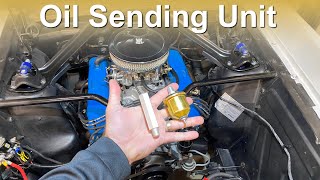
🎬 Watch this step-by-step guide on replacing the oil sending unit.Do I need to drain the engine oil to replace the switch?
No, you do not need to drain all the oil. However, a small amount of oil will leak out when you remove the old switch, so it's a good idea to have a rag or a small drain pan underneath to catch it.
What's the difference between a switch for a light and a sender for a gauge?
A switch is a simple on/off device. It closes a circuit to turn on a warning light when pressure drops below a set point (e.g., 5-7 PSI). A sending unit is a variable resistor; it changes its resistance based on the oil pressure, which allows a gauge on the dash to display a full range of pressure readings. You must use the correct one for your car.
Helpful Videos
Technical Specifications
OEM Part Numbers: C8AZ-9278-A D4AZ-9278-A
The thread size is commonly 1/2-18, but can vary. The electrical connection is typically a single spade or a #10 stud, with the part grounding through the engine block. There are different 'long' and 'short' designs available.
We Have This Part in Stock


The information in this article is provided for general reference and educational purposes only. Vehicle specifications, procedures, and part compatibility can vary by production date, trim level, and region. Always consult your vehicle's factory service manual and verify part numbers before purchasing or performing repairs. Safety-critical components such as airbags, seat belts, and braking systems should be installed by a qualified professional.