

A Ford Mechanic's Guide to the 1965-1975 LTD Distributor
Deciding between a stock points-style unit and an electronic upgrade is the biggest choice you'll make for your classic Ford LTD.
- Upgrading from original points to an aftermarket electronic ignition is the most significant reliability improvement you can make.
- Before ordering, confirm your LTD's specific engine (e.g., 352, 390, 428 FE) and camshaft type to ensure you get a distributor with a compatible drive gear.
- Performance brands like MSD, FAST, and Pertronix are highly recommended by owners for their reliability and performance gains.
- Budget brands like Cardone and WAI have mixed reviews; inspect them carefully and be aware of potential premature failures.
Signs of a Failing Distributor in Your Ford LTD
When the distributor in your 1965-1975 Ford LTD starts to fail, the signs can range from subtle to severe. A worn internal shaft bushing can cause the timing to wander, leading to a rough idle and poor performance. You might notice the engine is hard to start, misfires, or stalls unexpectedly. A shaky or vibrating feeling from the engine, especially at idle, can also point to a bad distributor cap or worn internal components throwing the firing order off balance. In some cases, you might hear squealing or tapping noises from the engine bay as parts wear out. If you're still running a points-style distributor, worn or improperly gapped points are a common cause of these issues.
Choosing the Right Aftermarket Distributor
For a classic car like the 1965-1975 LTD, new OEM (Original Equipment Manufacturer) distributors are no longer available. The aftermarket offers a wide range of options, from simple electronic conversion kits to complete high-performance distributors. The best choice depends on your goals: originality, reliability, or performance.
Aftermarket Brand Tiers for Ford LTD
| Tier | Brands | Best For |
|---|---|---|
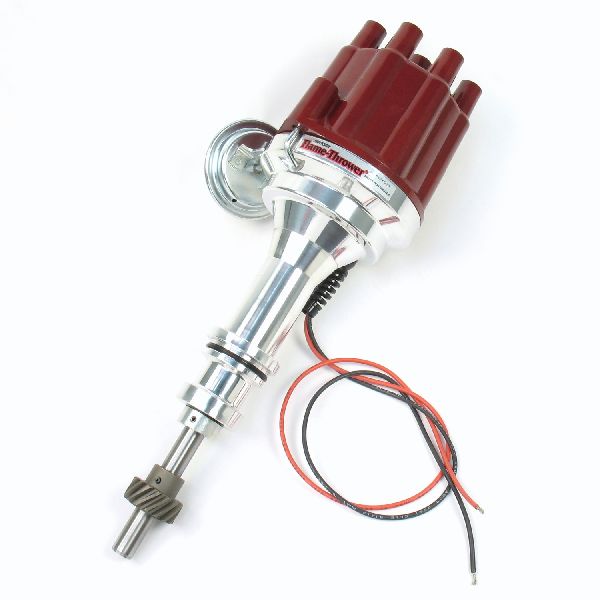
| Performance & Electronic Upgrade | MSD, FAST, Pertronix | Owners looking for improved reliability, a stronger spark, and better performance. These brands are well-regarded for converting points systems to modern electronic ignition. Pertronix is famous for its 'Ignitor' kits that fit inside the stock distributor, keeping an original look. MSD and FAST offer complete billet distributors for street performance and racing applications. |
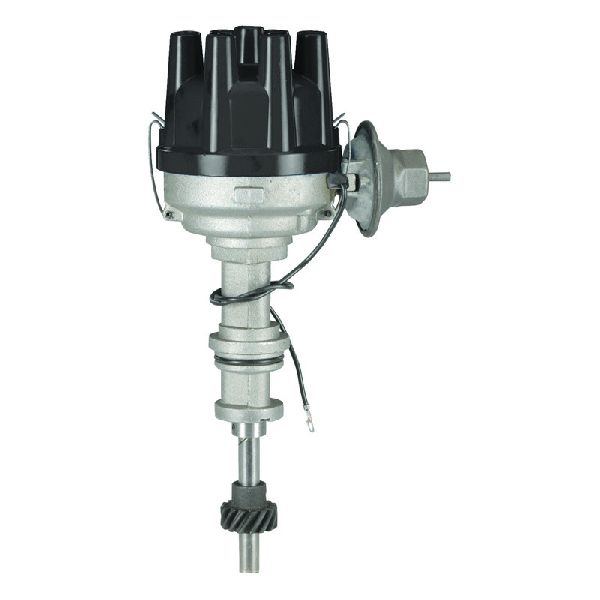
| Standard Replacement | WAI Global, Cardone | A direct, budget-friendly replacement. WAI Global offers 100% new units. Cardone primarily offers remanufactured distributors, but their new units are also available; however, owner reviews suggest quality can be inconsistent, with some parts failing prematurely. For a standard replacement, carefully inspect the part upon arrival. |
Pro Tip: Points vs. Electronic Ignition
The single biggest upgrade for your LTD's ignition is converting from mechanical points to an electronic system. Electronic systems provide a more consistent and powerful spark, eliminate the need for regular points adjustments, and improve starting and overall engine smoothness. Kits from brands like Pertronix are popular because they are easy to install inside your original distributor, making the upgrade invisible. A full electronic distributor from a brand like MSD or FAST is a larger investment but offers maximum reliability and performance.
Known Issues, Recalls, and Bulletins
Given the age of the 1965-1975 Ford LTD, there are no active recalls or modern Technical Service Bulletins (TSBs) from Ford for the distributor. The most common vehicle-specific problems reported by owners are related to wear and tear. The distributor shaft bushing can wear out, causing excessive play and erratic timing. The breaker plate that the points mount on can also become loose, causing similar issues. Another common problem is the distributor body seizing in the engine block due to corrosion, making it very difficult to remove. When replacing, applying a light coat of anti-seize to the distributor body can prevent this from happening in the future.
Frequently Asked Questions (FAQ)
Should I upgrade to an electronic distributor?
For most owners, the answer is yes. An electronic ignition conversion or a full electronic distributor is a significant reliability upgrade over the original points system. It eliminates the need for regular maintenance and provides a stronger, more consistent spark, which can improve starting, idle quality, and even fuel economy. Unless you are doing a 100% historically accurate restoration, an electronic system is a worthwhile investment.
What is an HEI distributor and will it fit my LTD?
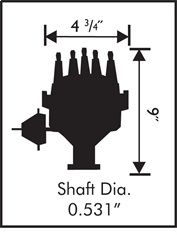
HEI stands for High Energy Ignition, a system developed by General Motors that has the ignition coil built into the distributor cap. Many aftermarket companies sell HEI-style distributors for Ford engines like the FE series (352, 390, 428) found in many LTDs. They are a popular, simple, one-wire upgrade that combines the distributor and coil into one unit. However, their large size can sometimes cause clearance issues with the air cleaner or intake manifold, so always check dimensions before ordering.
What is a vacuum advance and do I need it?
The vacuum advance is a canister on the side of the distributor that adjusts ignition timing based on engine load. At cruising speeds, engine vacuum is high, and the advance mechanism adds timing to improve fuel economy. Most street-driven cars benefit from having a functional vacuum advance. Some performance- or race-only distributors are mechanical-advance only.
What is the most common mistake when ordering a distributor?
The most common mistake is ordering a distributor with the wrong drive gear. Ford engines of this era can have camshafts made of different materials (like cast iron for a flat-tappet cam or steel for a roller cam). Using the wrong distributor gear can destroy both the gear and the camshaft very quickly. Always verify your engine's camshaft type and select a distributor with a compatible gear material.
Technical Specifications
Trigger Style: Points, Electronic (Hall Effect, Magnetic, or Optical) Advance Type: Vacuum and Mechanical Drive Gear Material: Cast Iron, Steel, or Bronze (must match camshaft) Engine Compatibility: Ford FE series (352, 360, 390, 428, etc.), Windsor series (302, 351W)
We Have This Part in Stock

The information in this article is provided for general reference and educational purposes only. Vehicle specifications, procedures, and part compatibility can vary by production date, trim level, and region. Always consult your vehicle's factory service manual and verify part numbers before purchasing or performing repairs. Safety-critical components such as airbags, seat belts, and braking systems should be installed by a qualified professional.