

Chrysler Imperial Ignition Coil Guide: 1965-1976 Models
Everything you need to know about choosing the right replacement ignition coil for your classic Imperial.
- A failing coil often causes stalling when hot, misfires, or a no-start condition.
- Verify if you have a points system or electronic ignition before buying, and always use the correct ballast resistor.
- For reliability, choose a quality aftermarket brand like Standard Ignition, NGK, or MSD over lesser-known value brands.
- These cars do not use modern OBD-II diagnostics, so there will be no trouble codes to read.
Signs of a Failing Ignition Coil
A bad ignition coil in your Imperial will cause noticeable running problems. Because these cars have a single coil, a complete failure will prevent the engine from starting at all. More often, the coil will fail intermittently, especially when it gets hot.
Common Symptoms Include:
- Engine Misfires: The engine may sputter, shake, or run rough, especially under load or when accelerating.
- Stalling: The engine might stall, particularly after it has warmed up, and may not restart until it cools down. This is a classic sign of an overheating coil.
- Hard Starting or No Start: A weak coil won't produce enough voltage for a strong spark, making the engine difficult to start or preventing it from starting altogether.
- Backfiring: Unburned fuel can enter the exhaust system and ignite, causing a loud pop or bang from the tailpipe.
- Reduced Power: Your Imperial may feel sluggish and lack its usual power.
- Visible Damage: Look for cracks in the coil's housing or oil leaking from the canister.
Choosing an Aftermarket Ignition Coil
For a classic vehicle like the 1965-1976 Imperial, "OEM" parts are typically New Old Stock (NOS) and can be rare and expensive. Modern aftermarket coils from reputable brands are often more reliable than a 50-year-old original part. The key is choosing the right one for your specific ignition system.
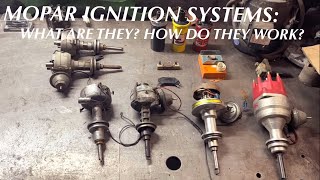
🎬 Watch: A deep dive into how classic Mopar ignition systems work.Your Imperial uses a canister-style, oil-filled ignition coil. It's important to know if your car has the original points ignition or has been upgraded to the Chrysler electronic ignition system (common from 1973 onwards, but also a popular retrofit). Both systems use a ballast resistor, which is a ceramic block on the firewall that reduces voltage to the coil and points (if equipped) during operation. Bypassing this resistor with a standard coil will cause the coil to overheat and fail quickly.
Aftermarket Brand Tiers
Performance Brands (MSD, Accel):
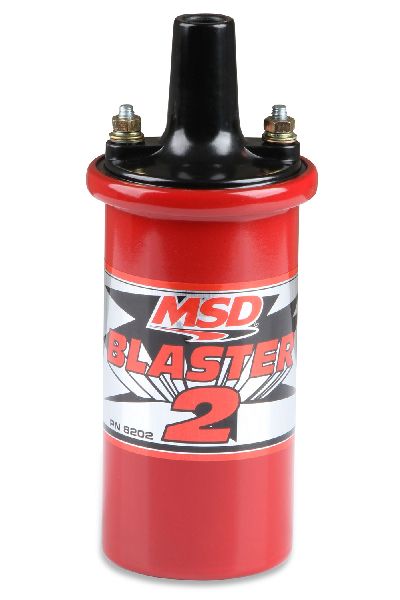
- MSD: Brands like MSD (e.g., Blaster 2) are very popular with Mopar enthusiasts for their high-voltage output and reliability, especially when paired with an upgraded ignition box. They are a solid choice for performance-oriented builds.
- Accel: Accel offers a range of coils, from stock replacements to high-performance models. However, some users in forums report premature failures or overheating with certain Accel coils when not matched correctly to the ignition system. Ensure the coil's primary resistance is compatible with your system.
Standard Replacement Brands (Standard Ignition, NGK, ACDelco):
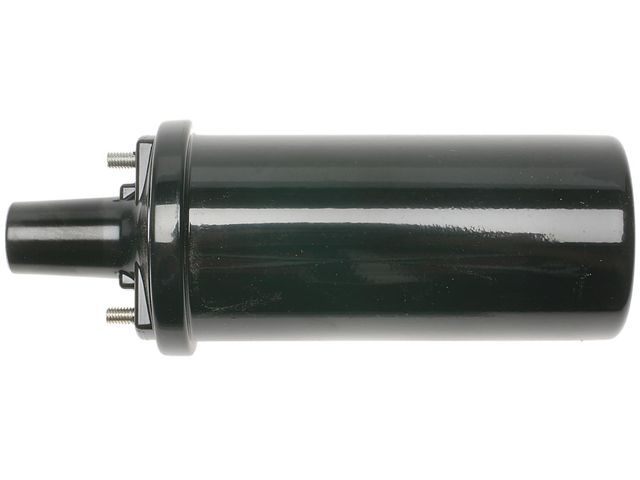
- Standard Ignition (SMP): Often sold under names like Blue Streak, this is a trusted brand for quality, stock-spec replacement parts. They are a reliable choice for a daily driver or stock restoration.
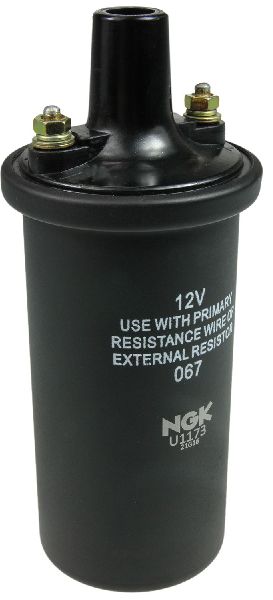
- NGK & ACDelco: Both are well-regarded manufacturers that produce reliable ignition components that meet or exceed original specifications.
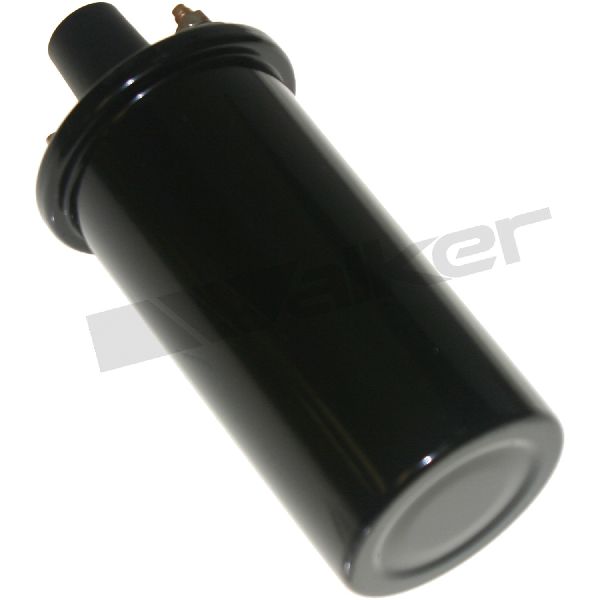
Value Brands (DriveWire, Walker, etc.):
- These brands offer a lower price point. While they can function correctly, their long-term durability and performance may not match that of the more established brands. For a critical component like the ignition coil, investing in a mid-tier or performance brand is often worth the small extra cost for peace of mind.
Pro Tip: Many classic Mopar owners keep a spare ballast resistor in their glove box. These are inexpensive and a common failure point that can mimic a bad coil. It's a cheap and easy piece of insurance.
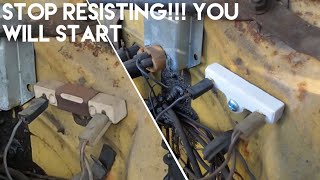
🎬 Watch: How to diagnose a failing ballast resistor.Estimated Costs
| Part Type | Estimated Cost |
|---|---|
| New Aftermarket Coil | $27.98 - $85.56 |
| Shop Labor | $50 - $100 |
| New OEM (NOS) | $150 - $250+ (if available) |
Frequently Asked Questions
Do I need a special coil if I have electronic ignition?
While the same style of coil is used for both points and factory electronic systems, it's crucial to match the coil's primary resistance to your setup. Performance coils (like MSD or Accel) often have lower primary resistance and are designed to be used with a specific ignition box and ballast resistor combination. Using the wrong coil can burn out the coil or the electronic ignition module. For a stock electronic ignition, a quality stock-replacement coil from a brand like Standard or NGK is a safe bet.
What is a ballast resistor and why is it important?
A ballast resistor is a ceramic piece on your firewall that reduces the voltage going to the ignition coil after the engine has started. During cranking, the coil gets a full 12 volts for a hotter spark, but during normal operation, the voltage is lowered (to around 7-9 volts) to prevent the coil and ignition points (in older systems) from burning out. If your new coil requires a ballast resistor, you must use one.
Can I test my old ignition coil?
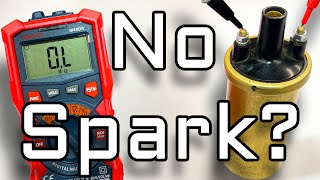
Yes. Using a multimeter set to ohms, you can test the primary and secondary resistance. Disconnect the battery first. The primary circuit (between the small + and - terminals) should have very low resistance, typically between 0.7 and 1.7 ohms depending on the coil. The secondary circuit (between the positive terminal and the large center tower) should have a much higher resistance, usually between 8,000 and 15,000 ohms. A reading that is far out of spec or shows an open circuit (infinite resistance) indicates a bad coil.
🎬 See how to test your ignition coil using a multimeter.Are oil-filled coils better? Can they be mounted sideways?
The canister coils used in your Imperial are oil-filled. The oil helps cool the internal windings and provides insulation. Factory ignition coils were often mounted horizontally for decades without issue, and quality modern replacements can be as well. Some cheaper aftermarket coils have been known to leak when mounted horizontally, so it's best to stick with a reputable brand.
Helpful Videos
![No Spark Troubleshooting [Mopar Electronic Ignition with Ballast Resistor]](https://img.youtube.com/vi/RiC8OaSXMs8/mqdefault.jpg)
Technical Specifications
OEM Part Numbers: 2495531 2444241 2444242 2084847
Ignition Type: Canister, Oil-Filled. Requires external ballast resistor for most applications. Primary Resistance (Stock): Approx. 1.3 - 1.7 ohms. Secondary Resistance (Stock): Approx. 9,000 - 15,000 ohms.
We Have This Part in Stock


The information in this article is provided for general reference and educational purposes only. Vehicle specifications, procedures, and part compatibility can vary by production date, trim level, and region. Always consult your vehicle's factory service manual and verify part numbers before purchasing or performing repairs. Safety-critical components such as airbags, seat belts, and braking systems should be installed by a qualified professional.