

Dodge Coronet Mechanical Fuel Pump: A Comprehensive Guide (1965-1976)
Keep your classic Coronet properly fueled and avoid common roadside headaches.
- A failing fuel pump can cause sputtering, hard starts, stalling, and dangerous fuel leaks.
- Carter is a highly-recommended brand for stock applications; Holley and Edelbrock are good for performance builds.
- Always check the fuel pressure after installing a new pump; modern replacements can run too high for a stock carburetor.
- A ruptured diaphragm can leak fuel into your engine oil, causing severe engine damage. Check your dipstick for a gas smell if you suspect a problem.
Is Your Coronet's Fuel Pump Failing?
A failing mechanical fuel pump on a 1965-1976 Dodge Coronet can cause a range of problems, from poor performance to a no-start condition. Because these cars are carbureted, they are very sensitive to fuel pressure and volume. A weak pump can leave you stranded. Recognizing the signs early can save you from a breakdown.
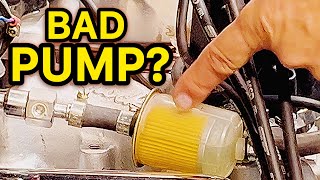
🎬 Watch: 5 easy checks to see if your pump is failing.Common Symptoms of a Bad Fuel Pump:
- Engine Sputtering: Especially at high speeds or under load, the engine may sputter as the pump fails to supply enough fuel.
- Loss of Power: You might notice the car feels sluggish or has trouble accelerating or climbing hills.
- Hard Starting: If the pump's check valve fails, fuel can drain back to the tank, requiring extended cranking to start the engine. This is common after the car has been sitting.
- Engine Stalling: The engine may stall, especially when it gets hot, and then refuse to restart until it has cooled down.
- Visible Fuel Leak: A dangerous symptom is a visible fuel leak from the pump body. The internal diaphragm can rupture, allowing gasoline to leak out of the weep hole.
- Gas in the Engine Oil: A severe diaphragm rupture can leak fuel directly into the engine crankcase, thinning the oil and leading to catastrophic engine damage. Always check your dipstick for a strong gasoline smell if you suspect a pump failure.
Vapor Lock in Your Coronet
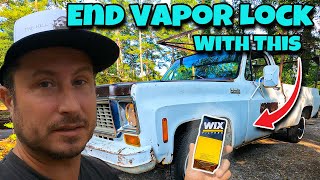
Coronet owners, especially those with big-block engines, often experience a condition called vapor lock. This happens when the fuel gets hot enough in the fuel line to turn from a liquid to a gas. Modern gasoline blends can make this problem worse. A failing fuel pump can contribute to this issue. Symptoms are similar to a bad pump, like stalling when hot. Insulating fuel lines and ensuring the fuel system is in top shape can help.
🎬 See how to fix vapor lock issues for under $10.Choosing the Right Aftermarket Fuel Pump
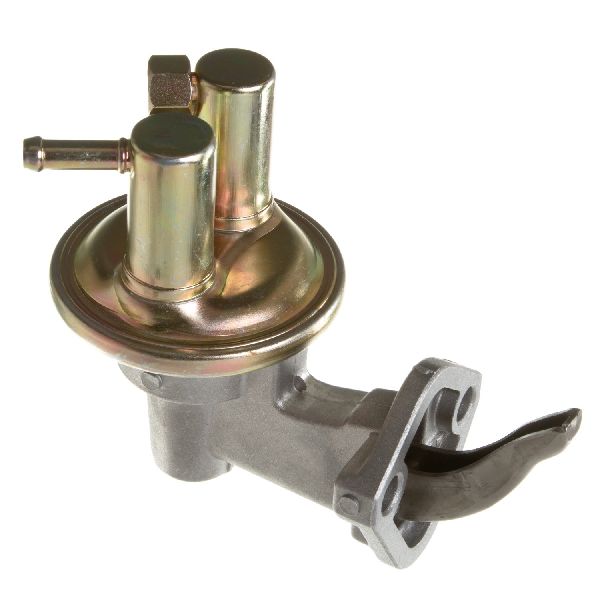
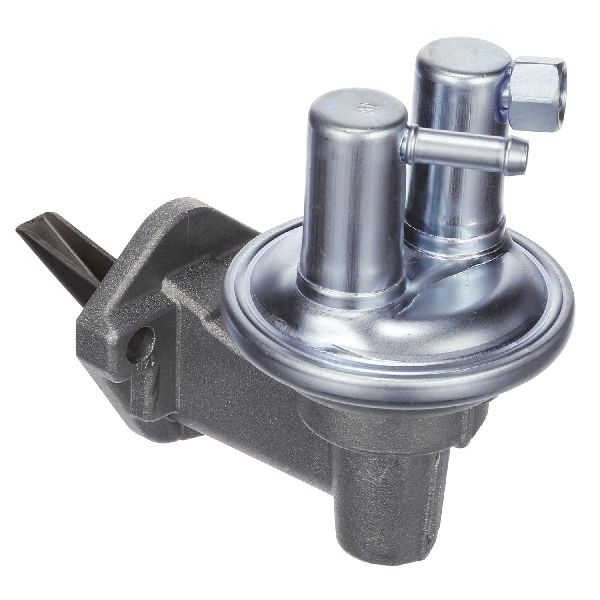
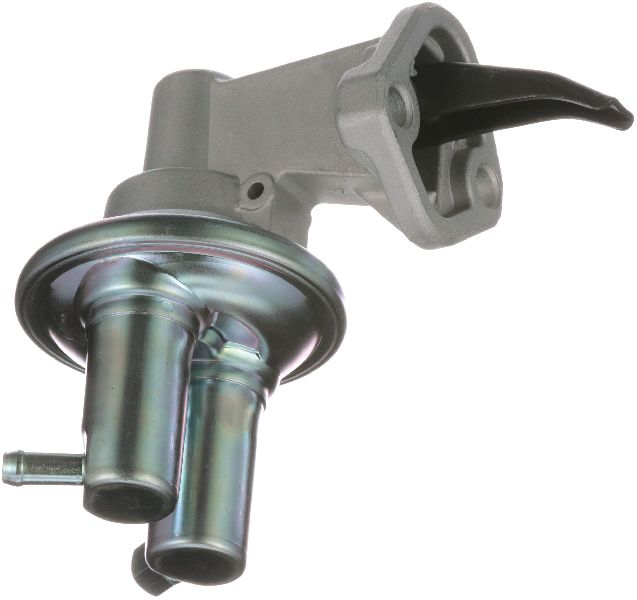
For the 1965-1976 Dodge Coronet, original Mopar fuel pumps are long gone. The aftermarket is your only source for a new mechanical pump. Quality varies, so it's important to choose a brand known for reliability. Aftermarket pumps are generally considered "throw away" parts, as rebuild kits are not commonly available for modern replacements.
Brand Quality Tiers for Classic Mopars
| Tier | Brands | Description |
|---|---|---|
| Premium / Performance | Carter, Holley, Edelbrock | These brands are consistently recommended in Mopar communities for quality and reliability. Carter was an OEM supplier for Chrysler and is a top choice for stock or mildly modified engines. Holley and Edelbrock are excellent for performance applications, often offering higher flow rates, but may require a fuel pressure regulator. |
| Standard / OE-Replacement | Delphi, Spectra Premium | Delphi is a major OE supplier for modern cars and produces quality replacement parts that meet OE standards. Spectra is also a popular choice, offering a balance of affordability and performance, though some users report mixed long-term reliability compared to premium brands. |
| Economy | GMB, US Motor Works | These brands provide a cost-effective solution and are widely available. They are generally considered a budget-friendly option for a standard daily driver. While many users have success with them, they may not have the same reputation for longevity as the premium brands. |
Check Your Fuel Pressure!
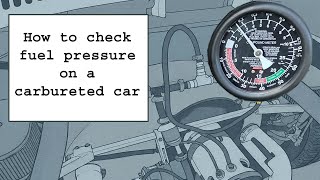
A common issue with modern replacement pumps, regardless of brand, is excessive fuel pressure. Carburetors on your Coronet are designed for low pressure (typically 4-6 PSI). A new pump putting out 8 PSI or more can overwhelm the carburetor's needle and seat, causing flooding, a rich running condition, and fuel washing into the oil. It is highly recommended to test the pressure of any new pump and install a fuel pressure regulator if it's too high.
🎬 Watch: How to check fuel pressure on a carbureted engine.Cost of a New Mechanical Fuel Pump
| Part Type | Typical Cost |
|---|---|
| New Aftermarket (Economy) | $32.00 - $45.00 |
| New Aftermarket (Standard/Premium) | $45.00 - $75.00+ |
| Shop Labor for Installation | $100 - $200 |
Frequently Asked Questions (FAQ)
Do I need a special fuel pump for modern ethanol gasoline?
Yes, this is a major concern. Modern fuels with ethanol can degrade the rubber diaphragm in older-style fuel pumps, leading to premature failure. Most new aftermarket pumps from reputable brands like Carter use advanced polymer diaphragms designed to be compatible with multiple fuel blends. It's a key reason to replace an old or questionable pump.
Is it hard to replace the fuel pump on a Coronet?
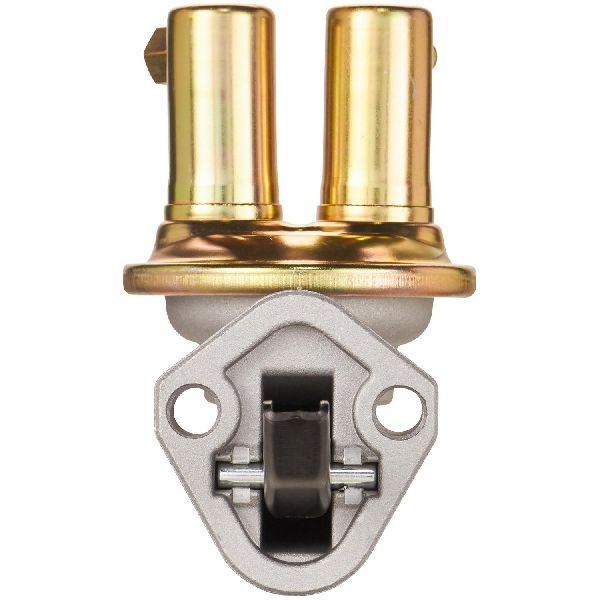
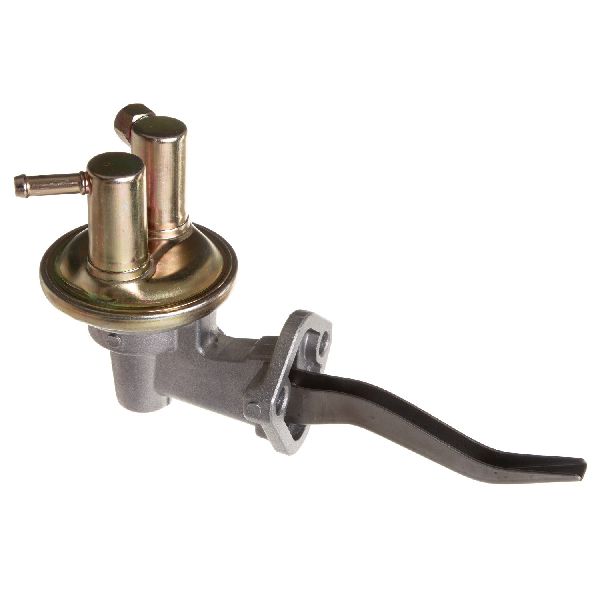
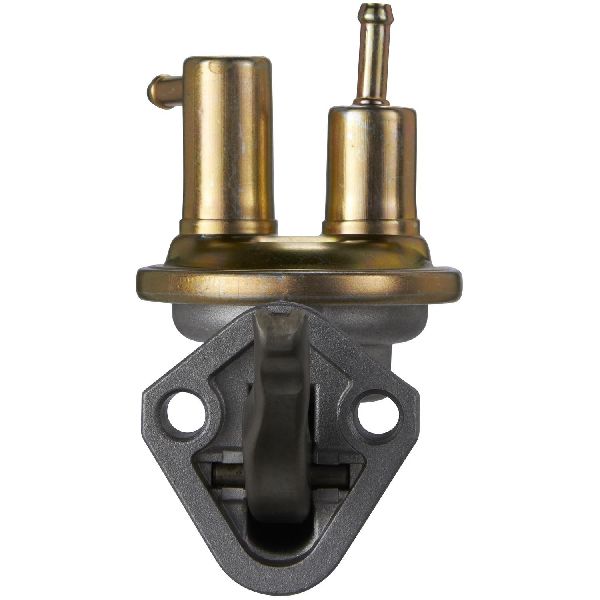
For a mechanically inclined owner, this is a straightforward job. It typically involves disconnecting the fuel lines, unbolting the old pump from the side of the engine block, and installing the new one with a new gasket. Access can be tight depending on the engine (Slant 6 vs. big-block V8). The most important step is ensuring the pump's lever arm is correctly positioned on the camshaft eccentric. Difficulty is generally considered low.
Should I get a high-flow pump like a Holley or Edelbrock?
For a stock or lightly modified engine, a standard replacement pump from a brand like Carter is usually sufficient and less likely to cause pressure issues. High-flow pumps (e.g., 110 GPH) are designed for engines with significant performance upgrades (camshaft, carburetor, intake, etc.) that demand more fuel. Using one on a stock engine is unnecessary and often requires adding a pressure regulator.
Were there any recalls on Coronet fuel pumps?
There are no specific recalls for the 1965-1976 Dodge Coronet itself. However, in 2009, Federal-Mogul recalled certain aftermarket mechanical fuel pumps sold under the Carter brand name. The issue was an improperly made diaphragm that could cause excessive fuel pressure, leading to carburetor flooding and a fire risk. This highlights the importance of checking fuel pressure after installing any new pump.
Helpful Videos
Technical Specifications
The key specification to watch is the fuel pressure. Most stock carburetors on a Dodge Coronet require between 4 and 6 PSI. Many aftermarket pumps can exceed this, potentially requiring an external fuel pressure regulator.
We Have This Part in Stock

The information in this article is provided for general reference and educational purposes only. Vehicle specifications, procedures, and part compatibility can vary by production date, trim level, and region. Always consult your vehicle's factory service manual and verify part numbers before purchasing or performing repairs. Safety-critical components such as airbags, seat belts, and braking systems should be installed by a qualified professional.
- 🎬 Helpful Videos
- 🛍️ Shop This Part
- Is Your Coronet's Fuel Pump Failing?
- Common Symptoms of a Bad Fuel Pump:
- Vapor Lock in Your Coronet
- Choosing the Right Aftermarket Fuel Pump
- Brand Quality Tiers for Classic Mopars
- Check Your Fuel Pressure!
- Cost of a New Mechanical Fuel Pump
- Frequently Asked Questions (FAQ)
- 🎟️ Get 5% Off