

Choosing the Right Spark Plugs for Your 1965-1977 Porsche 911
Keep your classic air-cooled 911 engine running smoothly with the correct set of new spark plugs.
- Stick with trusted aftermarket brands Bosch or NGK for best results; they are preferred by Porsche enthusiasts.
- Standard copper-core plugs are highly recommended over more expensive platinum or iridium options for these vintage engines.
- Replacement is a manageable DIY job, but requires a swivel spark plug socket and extensions for the tight access.
- Always change plugs on a completely cold engine to prevent damage to the aluminum cylinder head threads.
Signs of Failing Spark Plugs in a Classic 911
Worn or fouled spark plugs can cause noticeable problems. Because these classic engines can be sensitive, you might notice issues sooner than in a modern car. Look out for these common symptoms:
- Rough Idle: The engine may shake or sound uneven when the car is stopped.
- Engine Misfires: You might feel a hesitation or stumble from the engine, especially under acceleration. This happens when a plug fails to fire, leaving fuel unburned.
- Poor Acceleration: The car may feel sluggish or down on power.
- Difficulty Starting: Weak or fouled plugs can make it hard for the engine to fire up.
- Reduced Fuel Economy: Misfires waste fuel, meaning you'll be stopping for gas more often. 🎬 Watch: How to diagnose common air-cooled engine running issues
- Visible Fouling: If you inspect the plugs, they may be covered in black, sooty carbon (from a rich fuel mixture) or oily deposits. Early 911s, particularly those without a Capacitor Discharge Ignition (CDI), were known to have issues with plug fouling.
Choosing the Best Aftermarket Spark Plugs
For a 1965-1977 Porsche 911, you don't need expensive, fancy-metal spark plugs. In fact, most owners and experienced mechanics recommend sticking with high-quality, standard copper-core plugs. They are affordable and perform exceptionally well in these air-cooled engines. The two most trusted brands are Bosch and NGK.
Brand Quality Tiers
| Tier | Brands | Our Assessment |
|---|---|---|
| Top Tier / Enthusiast's Choice | Bosch, NGK | Bosch was the original equipment manufacturer for Porsche, making their plugs a great choice for maintaining originality. NGK is a Japanese brand that is overwhelmingly popular among classic 911 owners for its reliability, excellent performance, and value. You cannot go wrong with either brand. |
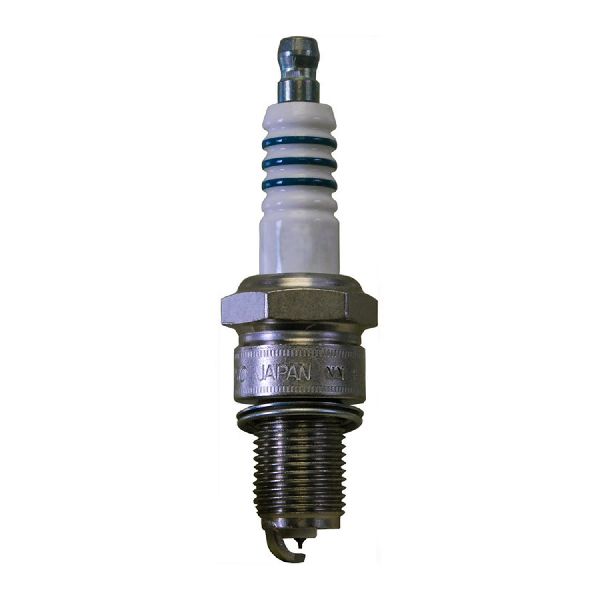
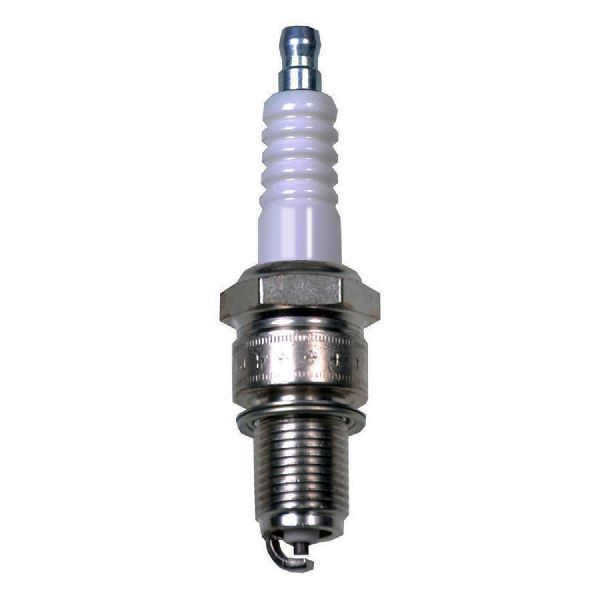
| Mid-Grade | Denso | Denso is a well-respected manufacturer of high-quality plugs, known for advanced technology. While less commonly discussed in forums for this specific vintage, they are a solid alternative if Bosch or NGK are unavailable. |
| Economy | Autolite, Champion | While these brands make perfectly good spark plugs for many domestic vehicles, they are rarely used or recommended by classic Porsche specialists and owners. It is best to stick with the brands known to work well with German engines. |
What is a Heat Range?
You will see different part numbers for plugs that look the same. This is often due to the "heat range." A "hotter" plug has a longer insulator nose and retains more heat, which helps burn off carbon deposits at low speeds. A "colder" plug has a shorter insulator and transfers heat away more quickly, which is necessary for high-speed driving or high-compression engines to prevent detonation. For NGK plugs, a lower number is hotter, while for Bosch, a higher number is hotter. Choosing the right heat range depends on your engine (e.g., 2.0, 2.4, 2.7) and how you drive.
Known Issues, Recalls, and Service Bulletins
There are no active recalls or specific Technical Service Bulletins (TSBs) for spark plugs on the 1965-1977 Porsche 911 in the NHTSA database. However, there are some known behaviors and general advice:
- Fouling on Early Cars: Early 911s, especially high-performance 'S' models, could be prone to spark plug fouling. This was often due to rich fuel mixtures from carburetors or early mechanical fuel injection. Porsche later introduced CDI ignition systems to produce a stronger spark, which helped solve this.
- Installation Damage: A TSB for modern Porsches highlights a timeless issue: damaging the plug's ceramic insulator during installation by using the wrong tool or applying force at an angle. This can cause misfires right after a plug change.
- Anti-Seize Warning: Porsche has advised technicians working on newer cars not to use anti-seize compound on spark plug threads. The plating on modern plugs is designed for a clean, dry installation, and anti-seize can affect the plug's ability to ground properly and can lead to over-torquing. This is considered good practice for the classic models as well.
Frequently Asked Questions (FAQ)
How many spark plugs does my 1965-1977 Porsche 911 need?
Your car's flat-six engine requires six spark plugs, one for each cylinder. They should always be replaced as a complete set.
🎬 See this step-by-step ignition tune-up for classic 911 modelsShould I use platinum or iridium plugs in my classic 911?
Most experts and owners advise against it. While modern plugs, they offer little to no benefit for these vintage engines and cost significantly more. Standard copper-core plugs from NGK or Bosch provide a strong spark and are very affordable, making them the preferred choice.
What spark plug gap should I use?
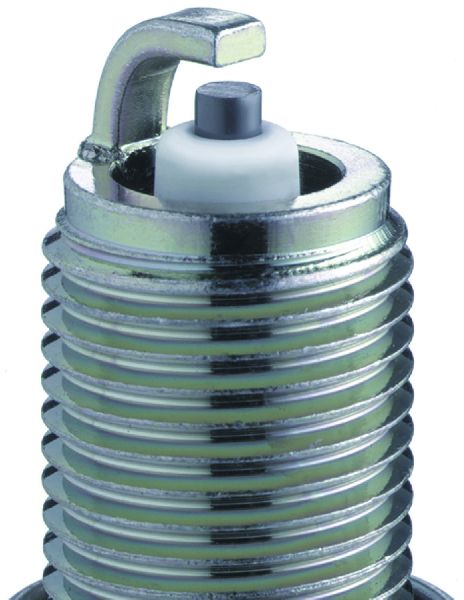
The correct gap is crucial for a strong spark. For this era of 911, the gap is typically around 0.7 mm (0.028 inches). Always verify the correct specification for your specific year and engine model and check the gap on each new plug before installation.
🎬 Watch: A helpful walkthrough of the spark plug replacement processWhich specific NGK or Bosch plug should I buy?
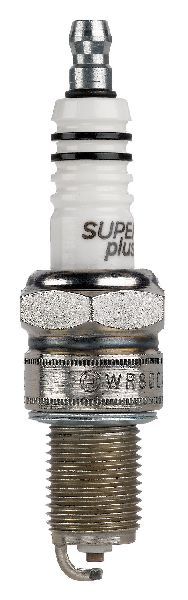
The exact part number depends on your engine. For example, owners of 2.7L cars often use NGK BP7ES or similar. Forum discussions show NGK BP6ES, BP7ES, and B8ES are common choices depending on the engine and use. For Bosch, plugs like the W4CS or WR5DC+ are frequently mentioned. It's best to consult an owner's forum or a parts specialist with your car's details to find the perfect match.
Helpful Videos
![[DIY] Porsche 911 Turbo - Spark Plug and Coil Change](https://img.youtube.com/vi/lN46DcdYRf4/mqdefault.jpg)
Technical Specifications
OEM Part Numbers: 99917015690 99917017090 99917018690
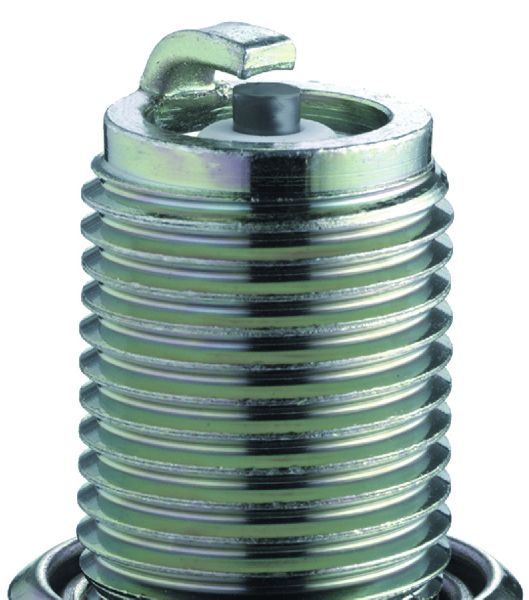
Engine requires six spark plugs. Common aftermarket choices include NGK BP-series (e.g., BP6ES, BP7ES) and Bosch W-series (e.g., W4CS, WR5DC+). The correct heat range is critical and varies by engine displacement and model year.
We Have This Part in Stock

The information in this article is provided for general reference and educational purposes only. Vehicle specifications, procedures, and part compatibility can vary by production date, trim level, and region. Always consult your vehicle's factory service manual and verify part numbers before purchasing or performing repairs. Safety-critical components such as airbags, seat belts, and braking systems should be installed by a qualified professional.