

Dodge Monaco A/C Expansion Valve Guide: 1965-1978
If your classic Dodge Monaco's air conditioning is blowing warm, the A/C expansion valve is a likely suspect.
- A bad expansion valve typically causes warm air or frost from the vents.
- For the 1965-1978 Monaco, a new aftermarket valve is the only reliable replacement option.
- You must also replace the receiver/drier anytime the A/C system is opened.
- This repair is the perfect opportunity to convert your system from old R-12 to modern R-134a refrigerant.
Is Your Monaco's A/C Failing? Check the Expansion Valve
A failing A/C expansion valve is a common problem on classic cars like the 1965-1978 Dodge Monaco, leading to poor cooling performance. When this part fails, it either gets stuck open or stuck closed, throwing the whole system out of balance. Understanding the signs of failure can help you pinpoint the issue before spending money on other components.
Symptoms of a Bad Expansion Valve
- Warm Air From Vents: This is the most obvious sign. If the valve is stuck closed, it restricts refrigerant flow to the evaporator, and your A/C will only blow warm or ambient temperature air.
- Frost or Ice on A/C Components: If the valve is stuck open, it allows too much refrigerant into the evaporator. This can cause the evaporator, and even the A/C lines under the hood, to freeze over, sometimes leading to frost or ice particles blowing from your vents.
- Fluctuating Cabin Temperatures: The air coming from your vents might switch between cold and warm. This indicates the valve is not regulating refrigerant flow consistently.
- Hissing Sounds: Unusual hissing noises from the dashboard area can sometimes point to refrigerant flow issues related to a faulty valve.
A Note on Refrigerant: R-12 vs. R-134a
Your Monaco's original A/C system used R-12 refrigerant, which is no longer in production and is very difficult and expensive to source. Most classic cars today have been converted to modern R-134a refrigerant. Replacing the expansion valve requires opening the system, making it the perfect time to perform an R-134a conversion if it hasn't been done already. This involves flushing the system, using a compatible oil (like Ester oil), and installing new service port fittings.
Choosing the Right Aftermarket Expansion Valve
For a vehicle of this age, new Original Equipment Manufacturer (OEM) parts from Dodge or Mopar are no longer available. Your only practical options are New Old Stock (NOS), used, or new aftermarket parts. A used valve is not recommended due to its age and unknown condition. A new aftermarket part is the most reliable and cost-effective choice.
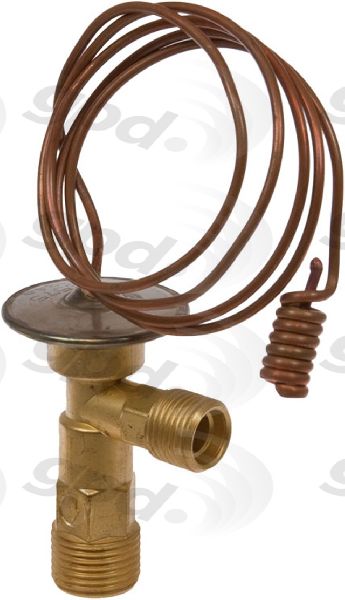
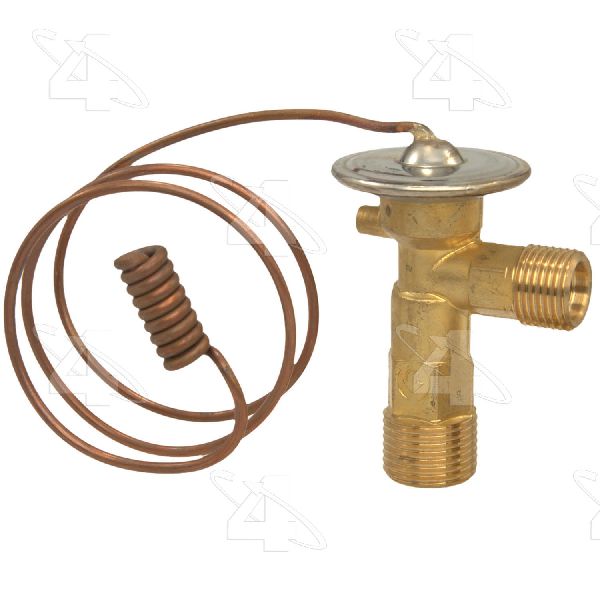
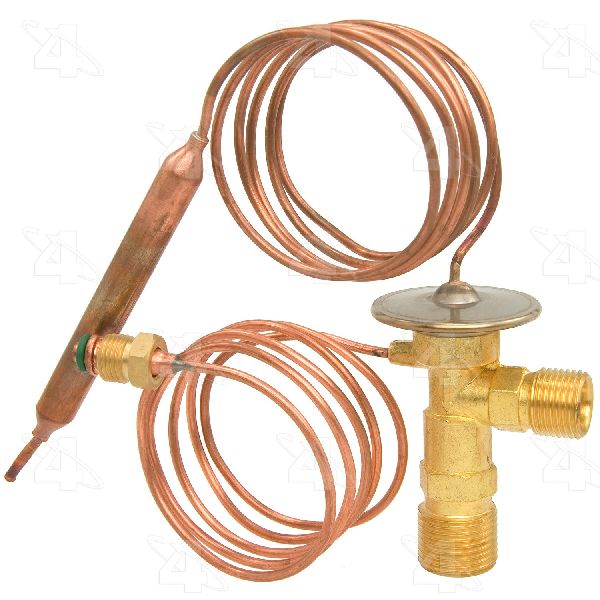
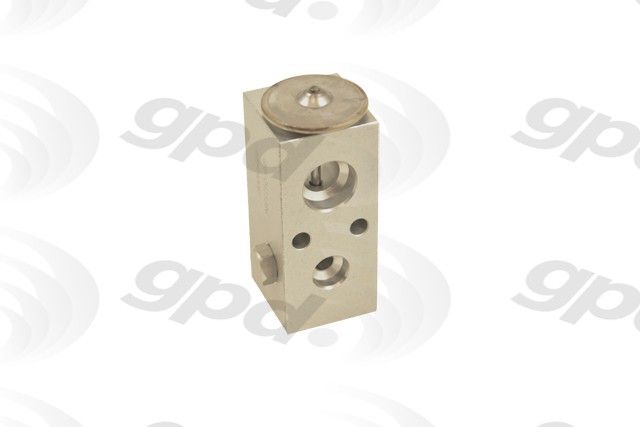
Two common brands you will find are Four Seasons and Global Parts (GPD).
- Four Seasons: This is a very established brand in the aftermarket A/C world. Their new parts are generally considered a reliable, standard replacement for daily drivers and restorations. For a straightforward component like an expansion valve, Four Seasons is a dependable choice.
- Global Parts (GPD): This is another available aftermarket brand. While there is less specific feedback on their expansion valves, they are a known supplier of A/C components.
Pro Tip: Regardless of the brand you choose, always buy a new expansion valve. Also, you must replace the receiver/drier anytime the A/C system is opened to the atmosphere. The receiver/drier contains a desiccant that absorbs moisture, and it can only do its job once. Skipping this step will lead to premature failure of your new parts.
Estimated Replacement Costs
The cost to replace the A/C expansion valve depends on whether you do the work yourself or hire a professional. While the part itself is inexpensive, the labor involves specialized tools and knowledge.
| Item | Estimated Cost |
|---|---|
| New Aftermarket Expansion Valve | $23.74 - $44.23 |
| New Receiver/Drier | $20 - $50 |
| Shop Labor & Refrigerant Service | $250 - $450+ |
Frequently Asked Questions
Do I have to convert to R-134a refrigerant?
You don't have to, but it is strongly recommended. R-12 is prohibitively expensive and hard to find. Since the system must be evacuated and recharged to change the valve, it is the most logical and cost-effective time to convert to the modern R-134a standard.
Can I replace the expansion valve myself?
This job is not recommended for a typical DIYer. It requires the legal and safe recovery of old refrigerant, specialized tools like a vacuum pump and manifold gauge set, and knowledge of how to properly charge an A/C system. Incorrect charging can damage the compressor. For these reasons, professional installation is advised.
Why can't I find an OEM Mopar expansion valve?
Automakers typically stop producing replacement parts for vehicles after a certain number of years. For a car from the 1965-1978 era, these parts have been discontinued for decades. New aftermarket parts are specifically made to fill this gap.
What other parts must I replace at the same time?
Anytime an A/C system is opened, you absolutely must replace the receiver/drier. It is also best practice to replace all rubber O-rings on the fittings you disconnect to ensure a leak-free seal.
Technical Specifications
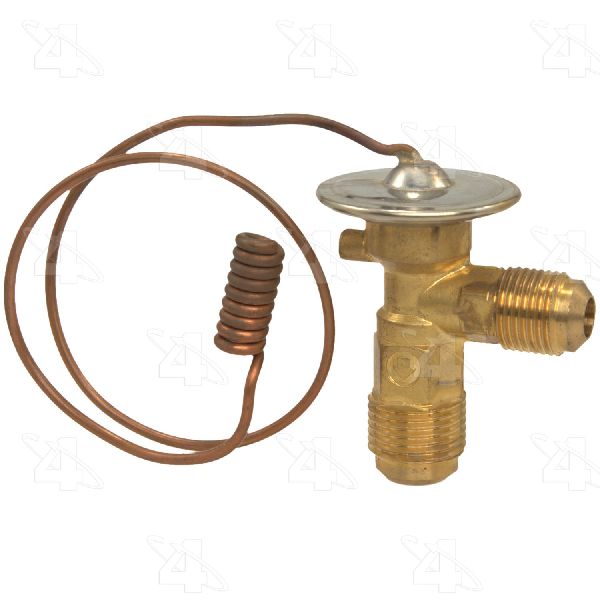
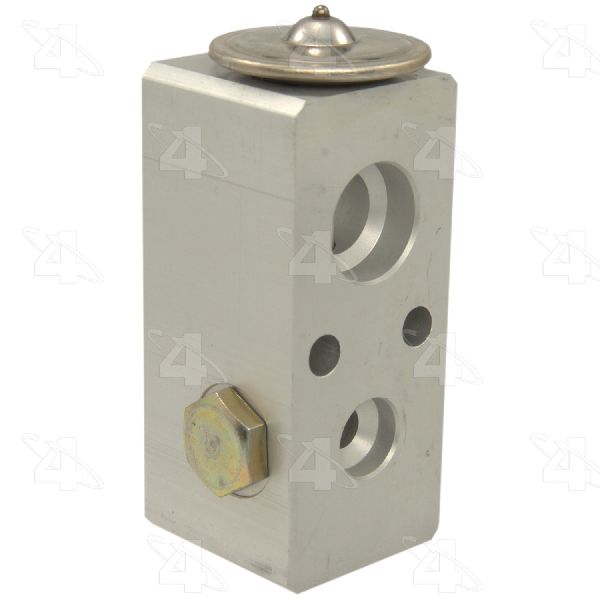
Externally equalized TXV-style valve. Compatibility with both R-12 and R-134a systems (with appropriate oil) is typical for aftermarket replacements.
We Have This Part in Stock

The information in this article is provided for general reference and educational purposes only. Vehicle specifications, procedures, and part compatibility can vary by production date, trim level, and region. Always consult your vehicle's factory service manual and verify part numbers before purchasing or performing repairs. Safety-critical components such as airbags, seat belts, and braking systems should be installed by a qualified professional.