

Your Guide to the 1965-1981 Avanti II Transmission Filter Kit
Keep your classic Avanti II shifting smoothly by choosing the right transmission filter.
- You must identify your specific transmission (e.g., GM TH400, Chrysler A727) before purchasing a kit, as Avanti II used different ones.
- Symptoms like slipping, harsh shifting, or whining noises point to a needed fluid and filter service.
- Aftermarket brands like ATP and Premium Guard are reliable choices for these common transmissions.
- Replacing the filter is a messy but feasible DIY job that is critical for the transmission's health.
Identifying Your Avanti II's Transmission
Before you can buy a transmission filter kit for your 1965-1981 Avanti II, you must know which transmission your car has. This is the most important step. Avanti II used powertrains from General Motors and, less commonly, other manufacturers like Borg-Warner or Chrysler during this period. Common automatic transmissions found in these cars include the General Motors Turbo-Hydramatic 400 (TH400), Turbo-Hydramatic 350 (TH350), and potentially the Chrysler TorqueFlite A727.
Pro Tip: Check the shape of your transmission oil pan and compare it to an online identification chart. A TH400 pan has an irregular shape, often described as a "Texas" shape, while a Chrysler A727 pan is more rectangular with one corner cut off. You can also look for casting numbers on the transmission case or consult an Avanti-specific forum for help.
Symptoms of a Clogged Transmission Filter
A failing or clogged transmission filter can cause serious problems. If you notice any of these signs, it's time to inspect your transmission fluid and filter.
- Delayed or Harsh Shifting: When the filter is clogged, fluid pressure can drop, causing the transmission to shift slowly or slam into gear.
- Transmission Slipping: You might notice the engine revs higher than usual, but the car doesn't accelerate properly. This can be caused by low fluid pressure from a restricted filter.
- Whining or Buzzing Noises: A clogged filter can make the transmission pump work harder, leading to a whining sound that changes with engine RPM.
- Burnt Smelling Fluid: If the transmission fluid smells burnt or looks dark and dirty, it's a sign of overheating and contamination. The filter is likely saturated and needs to be replaced along with the fluid.
Fluid Leaks are a Major Concern
While not a symptom of a bad filter itself, fluid leaks are a common issue on these older transmissions. Leaks can come from a hardened pan gasket, which is replaced with the filter kit, or from other seals like the dipstick tube O-ring on a TorqueFlite 727. 🎬 See a step-by-step A727 fluid and filter change video. Low fluid levels will cause shifting problems and can quickly destroy the transmission.
Choosing an Aftermarket Transmission Filter Kit
For a vehicle like the Avanti II, new original equipment (OEM) parts are generally not available. Aftermarket parts are the standard choice. Brands like ATP and Premium Guard offer kits that are widely available and fit these classic transmissions.
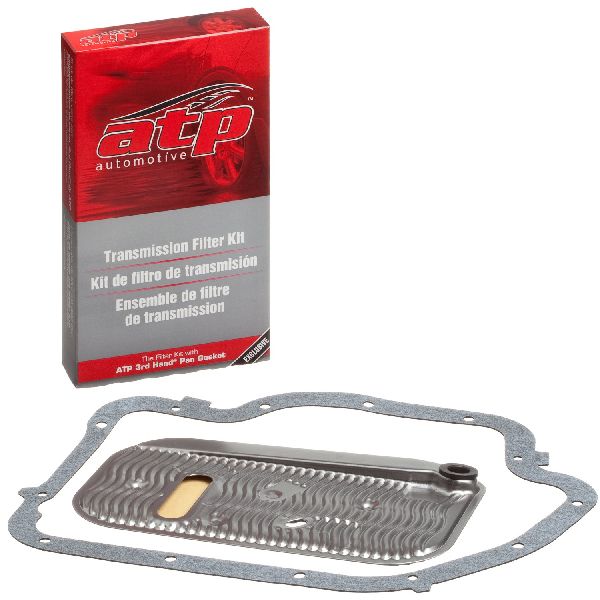
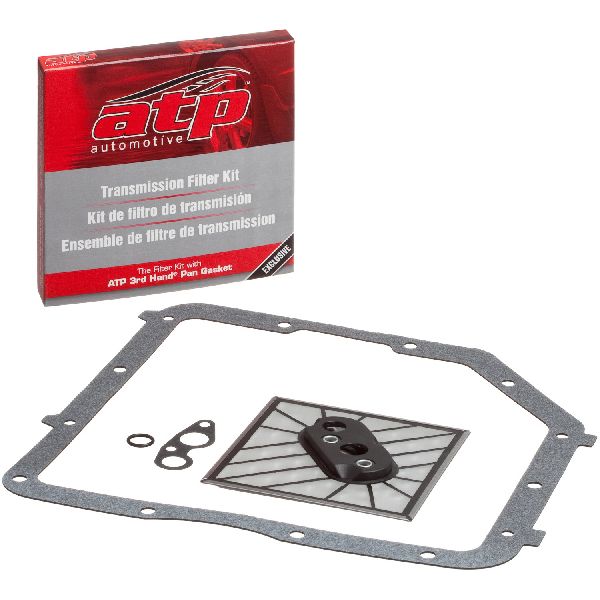
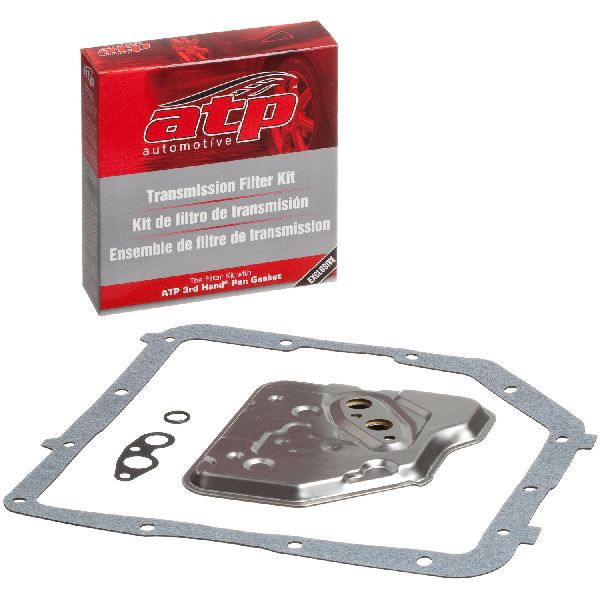
- ATP: A well-known aftermarket brand, ATP offers filter kits for many classic applications, including the TH400 and TorqueFlite transmissions. Some users appreciate their "third hand" gaskets, which have undersized holes to hold bolts in place during installation, making the job easier.
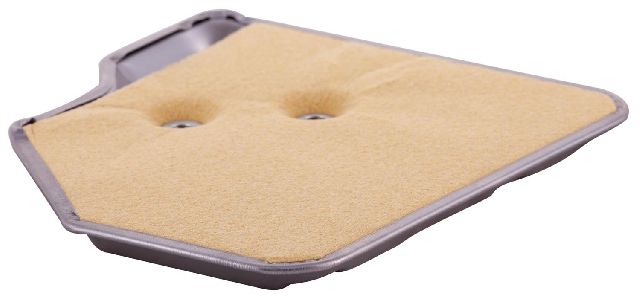
- Premium Guard: This brand also provides a range of filters. They are generally considered to be of good quality, with some reviews noting they are well-constructed. Their kits typically 🎬 Watch a detailed review of Premium Guard filter construction. include a quality NBR rubber gasket.
Ultimately, for these common GM and Chrysler transmissions, both ATP and Premium Guard are reliable choices. The most critical factor is ensuring you buy the kit that matches your specific transmission model. There is little functional difference in quality between these brands for this application.
Estimated Costs for Replacement
| Part/Service | Estimated Cost |
|---|---|
| New Aftermarket Transmission Filter Kit | $15 - $23 |
| Transmission Fluid (4-7 quarts) | $30 - $70 |
| Shop Labor for Filter & Fluid Change | $125 - $250 |
| Total Estimated Cost (DIY) | $45 - $93 |
| Total Estimated Cost (Shop) | $170 - $343 |
Frequently Asked Questions (FAQ)
How often should I change my transmission filter?
For a classic car like the Avanti II, it's good practice to change the transmission fluid and filter every 25,000 to 30,000 miles, or whenever you notice fluid degradation or shifting issues. Given the age of the vehicle and the potential for internal wear, regular service is key to longevity.
Is there a difference between TH400 and TH350 filters?
Yes, they are different and not interchangeable. The TH400 filter is generally larger. You must use the correct filter for your specific transmission to ensure proper fluid flow.
My kit came with two gaskets. Why?
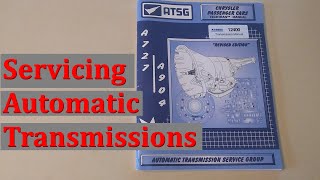
Some aftermarket kits, like those for Chrysler transmissions, may include gaskets for both the A727 and the smaller A904 transmission, as they are often packaged together. Use the gasket that matches your oil pan and discard the other.
Are there any recalls for the Avanti II transmission?
No specific recalls related to the transmission, filter, or related components were found for the 1965-1981 Avanti II in the NHTSA database. Any issues would be related to the general performance and common problems of the underlying GM or Chrysler transmissions.
Helpful Videos


Technical Specifications
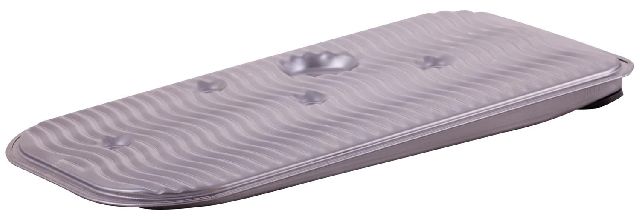
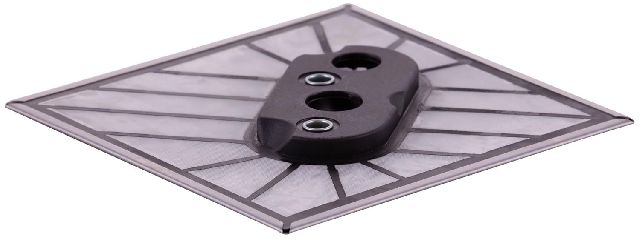
Kit typically includes a filter and a pan gasket. The filter material can be paper, felt, or a metal screen. The gasket is usually made of cork or NBR rubber. The correct kit is determined by the specific transmission model (e.g., GM TH400, TH350, Chrysler A727).
We Have This Part in Stock

The information in this article is provided for general reference and educational purposes only. Vehicle specifications, procedures, and part compatibility can vary by production date, trim level, and region. Always consult your vehicle's factory service manual and verify part numbers before purchasing or performing repairs. Safety-critical components such as airbags, seat belts, and braking systems should be installed by a qualified professional.